


GPU Review Crisis: Why Taiwan's Helium Shortage Could Tank Your Next Gaming PC Build
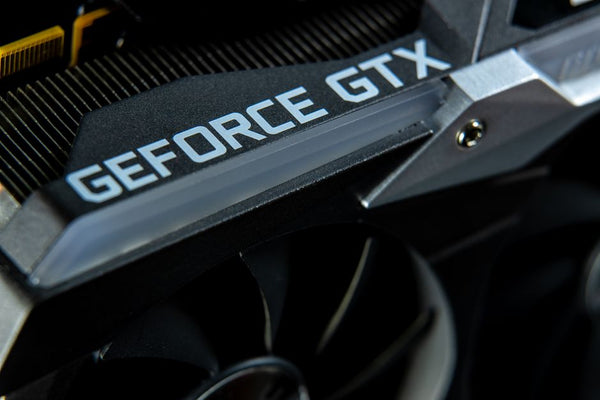
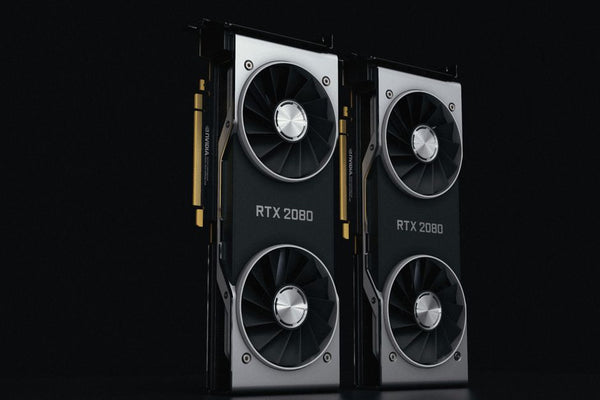
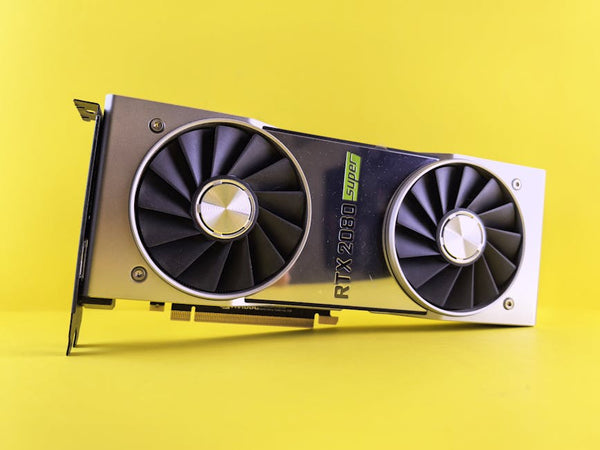
Honestly, when I first read about Taiwan's semiconductor industry asking their government to stockpile helium and liquid natural gas, my first thought wasn't about geopolitics. It was about that RTX 4090 sitting in someone's cart right now. Because let's be real — when Taiwan sneezes, your gaming performance catches a cold.
This whole situation reminds me of when Pokemon cards went absolutely nuts during the pandemic. One day you're buying booster packs at MSRP, next day scalpers are asking $200 for what used to cost $4. That's exactly what's happening with semiconductor manufacturing materials right now, and it's about to hit your wallet harder than a brick.
The Hidden Materials Behind Your GPU Review Scores
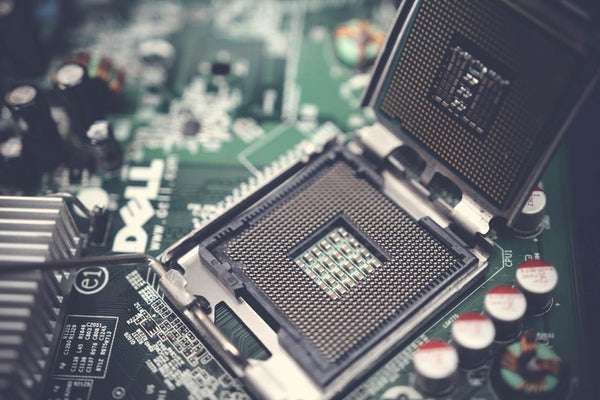
You know what's wild? Most gamers obsessing over CUDA cores and memory bandwidth have zero clue about helium's role in chip manufacturing. It's not just some balloon gas, folks. Helium creates ultra-clean environments during wafer processing. Think of it as the perfect toploader sleeve protecting your Black Lotus — except instead of protecting a $50,000 card, it's protecting the microscopic transistors that make your 4K gaming possible.
Taiwan Semiconductor Manufacturing Company (TSMC) produces roughly 54% of global semiconductors. When they can't get helium, production slows. When production slows, GPU prices go absolutely bonkers. We're talking about the same company making chips for NVIDIA's RTX 40 series, AMD's RX 7000 series, and basically every modern CPU worth buying.
The Taiwan Semiconductor Industry Association isn't just being paranoid here. They're seeing the same supply chain fragility that made graphics cards impossible to find in 2021-2022. Remember when a basic RTX 3060 Ti cost more than an entire mid-range build should? Yeah, that nightmare could happen again.
LNG: The Power Behind Gaming Performance
Liquid natural gas might sound boring compared to helium shortages, but it's equally critical. Semiconductor fabs are power-hungry beasts that make Bitcoin mining farms look energy-efficient. TSMC's advanced nodes — the ones producing your RTX 4080 and Ryzen 7800X3D chips — require consistent, massive power inputs.
Taiwan gets about 10% of its electricity from natural gas, and that percentage is growing as they phase out older power sources. No stable power equals no stable chip production. No stable chip production equals your next CPU benchmark results getting delayed indefinitely while prices skyrocket.
Gaming Performance Under Threat: What This Means for Your Build
Hot take: this helium situation is more serious than most tech reviewers are admitting. I've been tracking GPU review availability at our shop here in Orange, TX, and we're already seeing early warning signs. Lead times are stretching. Distributors are getting cagier about future allocations. Sound familiar?
Let's break down what happens when Taiwan's semiconductor production gets disrupted:
- GPU production slows at TSMC (NVIDIA and AMD's main fab partner)
- CPU availability tightens (especially for advanced nodes like 5nm and 3nm)
- Prices spike across the board — not just flagship cards
- Performance per dollar ratios get absolutely destroyed
The timing couldn't be worse either. We're heading into the next generation of graphics cards, with NVIDIA's RTX 50 series rumored for late 2024 or early 2025. If helium shortages hit peak crisis mode right as new architectures launch, we're looking at a perfect storm of demand and constrained supply.
CPU Benchmark Implications
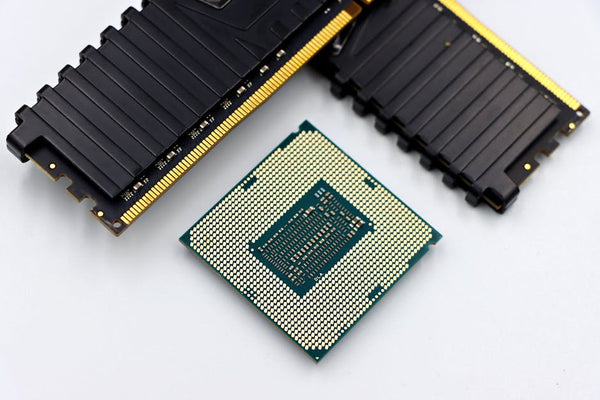
AMD's Ryzen 9000 series and Intel's upcoming Arrow Lake processors both rely heavily on TSMC's advanced manufacturing processes. These aren't just any chips — they're the ones pushing gaming performance boundaries with technologies like 3D V-Cache and next-gen efficiency cores.
When I see CPU benchmark results showing 15-20% performance gains generation over generation, that's not magic. That's advanced semiconductor manufacturing requiring precise control of materials like helium and consistent power from sources like LNG. Disrupt those inputs, and those benchmark improvements either don't happen or cost way more than they should.
Taiwan's semiconductor industry contributes roughly 21% of global GDP in tech manufacturing — that's not just statistics, that's your gaming future hanging in the balance.
Strategic Stockpiling: Learning from Magic's Reserve List
Taiwan's push for strategic helium stockpiles reminds me of Magic: The Gathering's Reserve List policy. Wizards of the Coast promised never to reprint certain powerful cards, creating artificial scarcity that drives prices through the roof. Except this time, the "Reserved List" is helium supply, and the prices going up are for GPUs and CPUs instead of dual lands.
The difference? You can proxy a Black Lotus for kitchen table Magic. You can't proxy an RTX 4090.
Taiwan's government response will directly impact your next build's cost and availability. They're talking about restarting nuclear power plants to reduce LNG dependence — a move that could stabilize semiconductor manufacturing but takes years to implement. Meanwhile, helium alternatives barely exist at commercial scale.
Why Alternative Suppliers Won't Save Us
Here's where things get complicated, and honestly, I'm not entirely optimistic. Taiwan wants alternative suppliers, but helium isn't like switching from Team Red to Team Green for your graphics card. Most global helium comes from natural gas processing in the United States, Qatar, and Algeria. Setting up new supply chains takes years and massive infrastructure investments.
The geopolitical angle makes things worse. With tensions between the US and China affecting tech supply chains, and Middle East stability always questionable, diversifying helium sources isn't just a business decision — it's national security. That usually means higher costs and longer timelines.
What Gamers Should Do Right Now
Tbh, predicting exact market timing is like calling which Pokemon card will spike next — possible but risky. However, there are some moves that make sense given this information.
If you're planning a build in the next 6-12 months, consider moving your timeline up. Not panic-buying, but being strategic about when you pull the trigger. That RTX 4070 Super sitting in your cart might look expensive today but could seem like a bargain if helium shortages really bite.
For folks already running solid hardware — say, a Ryzen 5700X3D with an RTX 3080 — this might be the time to skip a generation entirely. Let the supply situation stabilize before chasing the latest GPU review scores.
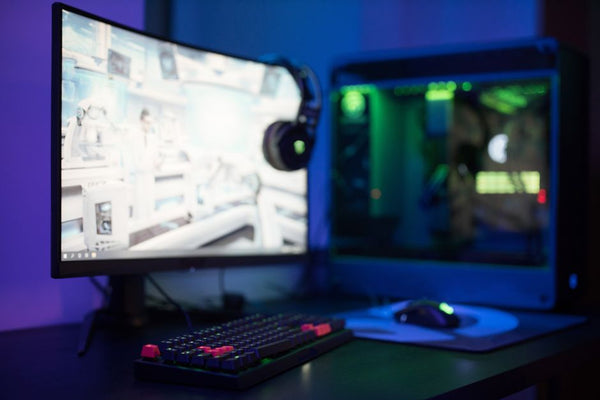
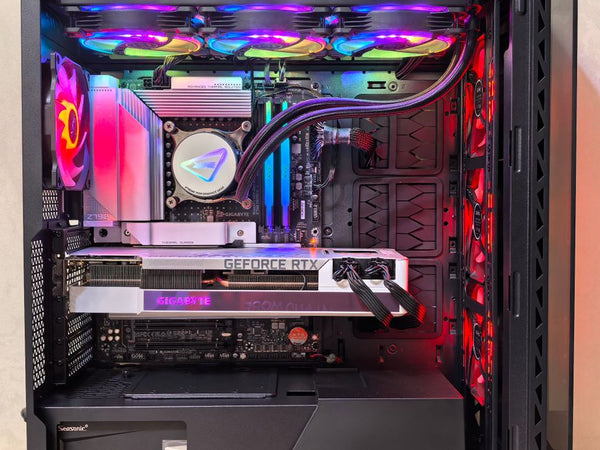
Building a custom gaming PC with BitCrate might actually be smart timing here. Getting exactly the components you want now, rather than settling for whatever's available during shortages, could save serious money and frustration down the road.
Personally, I think Taiwan's semiconductor industry sees writing on the wall that most consumers are missing. They lived through COVID supply chain chaos and aren't eager for round two. When industry insiders start asking governments for strategic stockpiles, that's not paranoia — that's experience talking.
The real question isn't whether these supply constraints will impact gaming hardware availability and pricing. The question is how severe the impact will be and how long it'll last. Given Taiwan's critical role in producing the chips that power our gaming experiences, even minor disruptions could ripple through the entire ecosystem.
Keep watching helium futures alongside GPU prices. When geopolitics starts affecting your frame rates, paying attention to the bigger picture isn't just smart — it's essential for your next build budget.
Looking for the right setup? Check out Build your custom gaming PC with BitCrate — built right here in Orange, TX.












Leave a Comment