


Intel's Two-Lever Socket Drama: What Nova Lake's 2L-ILM Means for Your Next Gaming PC Build
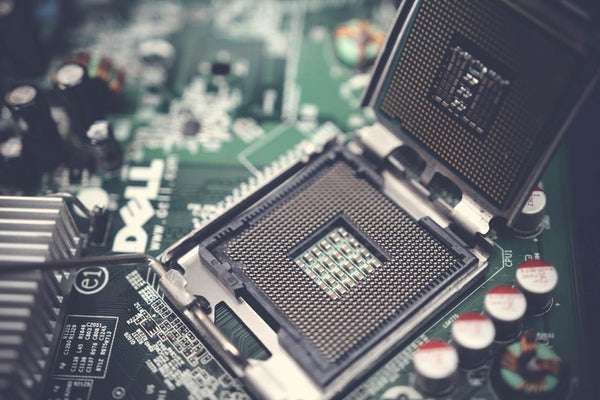
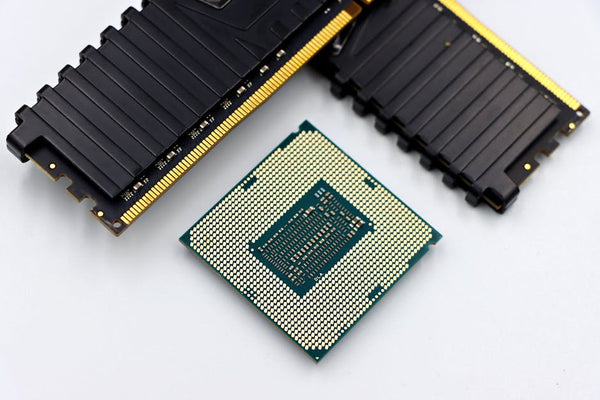
Intel's cooking up some serious socket drama for Nova Lake. Fresh leaks point to premium motherboards getting a two-lever retention mechanism called "2L-ILM" for the new LGA 1954 socket. Yeah, you read that right — two levers instead of one.
This isn't just some random engineering flex. We've seen dual-lever systems before on LGA 2011 server platforms, but bringing it to consumer gaming boards? That's interesting. The real question is whether this actually improves anything for gamers or if it's just premium board manufacturers finding new ways to justify their $400+ price tags.
What's Actually Different About This Two-Lever System
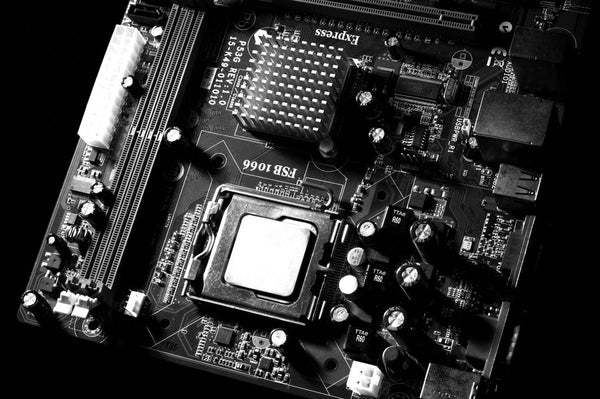
Standard socket retention mechanisms use one lever. Simple. You drop your CPU in, flip the lever, done. The 2L-ILM system splits that clamping force across two levers positioned on opposite sides of the socket.
Theory says this distributes mounting pressure more evenly. Less CPU warping under the clamp. Better contact with your cooler. Potentially lower temps and more stable performance when you're pushing frames in demanding titles like Cyberpunk 2077 or the latest Call of Duty.
But here's where I get skeptical. How much does socket mounting pressure actually affect gaming performance? We're talking maybe a degree or two difference in most scenarios. Unless you're running some insane overclock setup, the impact might be minimal.
The Server Platform Connection
LGA 2011 used dual levers because those CPUs were massive. Different mounting pressures across a larger die could cause real problems. Nova Lake processors won't be nearly as big, so why the dual-lever approach?
Personally, I think this is about differentiation. Premium boards need features that justify their price premium. RGB lighting and fancy heatsinks only go so far. A unique socket mechanism? That's something competitors can't just copy with a firmware update.
Gaming Performance Reality Check
Let's talk real numbers. In most gaming scenarios, CPU socket mounting variations affect performance by maybe 1-2%. That's statistical noise. Your GPU, RAM speed, and game optimization matter way more than whether your CPU sits 0.1 degrees cooler.
I've built hundreds of gaming rigs, and socket mounting issues are rare. When they happen, it's usually user error — not applying thermal paste correctly or mounting the cooler wrong. The socket retention mechanism itself? Almost never the problem.
Hot take: This dual-lever system is solving a problem that doesn't really exist for most gamers. But that doesn't mean it's worthless.
Where It Might Actually Matter
Extreme overclocking scenarios could see benefits. When you're pushing a Nova Lake CPU to its absolute limits, every degree matters. Better mounting pressure distribution could help maintain consistent contact as the CPU heats up and thermally expands.
Content creators running long rendering workloads might appreciate the stability. Hours-long CPU-intensive tasks put different thermal stress on components than quick gaming sessions. More even mounting pressure could reduce thermal throttling during those marathon encoding sessions.
The real test isn't specifications — it's whether this actually improves frame rates or reduces crashes during your longest gaming sessions.
Custom Gaming PC Build Implications
If you're planning a Nova Lake build, this creates an interesting decision point. Do you go premium board with 2L-ILM or stick with standard retention mechanisms?
For most gaming builds, I'd lean toward standard mechanisms. Save that extra $100-200 for better GPU or faster RAM. Those upgrades will definitely improve your fps. The dual-lever socket? Maybe, maybe not.
But if you're building a no-compromises rig — the kind where you're already spending $2000+ on components — then premium boards with 2L-ILM make sense. You're already going all-in, so why not get the potentially better mounting solution too?
Cooler Compatibility Questions
Here's what nobody's talking about yet. Will existing LGA 1954 coolers work with both retention mechanisms? The socket size stays the same, but mounting hardware might differ between 1L-ILM and 2L-ILM boards.
This could get messy for PC builders. Imagine ordering a cooler thinking it works with LGA 1954, only to find out it's incompatible with your specific motherboard's retention mechanism. That's the kind of compatibility headache that ruins build experiences.
Working at TieredUp Tech here in Orange, TX, I've seen similar issues with previous socket launches. Cooler manufacturers scramble to update mounting hardware, early adopters get stuck with incompatible gear, and everyone's frustrated for the first few months.
The Real Value Proposition
Honestly, the dual-lever system feels like premium feature creep. It's not addressing major gaming pain points like memory compatibility, PCIe lane distribution, or thermal management. It's a nice-to-have that might provide marginal benefits.
That said, Intel and motherboard manufacturers aren't stupid. They wouldn't invest in this tech if internal testing showed zero benefit. Maybe there's more to it than current leaks suggest.
Will it make your games run better? Probably not noticeably. Will it give you bragging rights and potentially better long-term reliability? Maybe. For some builders, that's worth paying extra.
Timing and Availability
Premium boards with 2L-ILM will likely launch alongside standard variants. Expect the dual-lever options to cost $50-150 more than comparable single-lever boards. That's typical premium feature pricing.
Early availability might favor higher-end SKUs. If you want dual-lever retention at Nova Lake launch, you'll probably need to go with pricier motherboard options. Budget and mid-range boards will stick with standard mechanisms initially.
Should You Care About 2L-ILM?
For competitive gamers chasing every frame? Probably not worth it. Your time and money are better spent on proven performance upgrades like faster RAM, better GPU, or high-refresh monitors.
For enthusiasts building showcase rigs? The dual-lever system adds a cool factor that standard builds don't have. If you're already buying premium components, it fits the theme.
Here's my honest take: Wait for real-world reviews. Let early adopters test whether 2L-ILM actually provides measurable benefits. Specifications rarely tell the whole story, especially for niche features like socket retention mechanisms.
The gaming PC build community moves fast, but smart builders wait for proper testing. Don't let marketing hype drive your component decisions. When Nova Lake launches and we get hands-on time with both retention mechanisms, then we'll know if dual levers are worth the premium or just expensive gimmicks.
Until then, focus on the fundamentals. Build your custom gaming PC around proven performance components, not theoretical socket improvements. Your fps will thank you more than your CPU mounting mechanism ever will.












Leave a Comment