


Intel Stock Rockets 28%: What This Means for Your Next Gaming Build
Bro, Intel just had their best day in years. The stock jumped 28% after they posted Q1 numbers that actually didn't suck for once. But here's the thing — just because Wall Street is celebrating doesn't mean you should immediately start throwing money at Intel CPUs for your next rig.
Let's break down what actually happened here and what it means for us PC builders who care more about frame rates than stock prices.
Intel's Numbers Game: The Good, The Bad, and The "We're Still Bleeding Cash"
Intel reported they're beating demand forecasts, which sounds amazing until you realize they're still losing money hand over fist. Think about that for a second. They can't make enough chips to meet demand, yet they're hemorrhaging cash. That's like being the most popular restaurant in town but somehow going bankrupt because your kitchen is on fire.
The real tech news here isn't the stock jump — it's that Intel claims their new manufacturing nodes are yielding better than expected. Translation? They might actually be getting their shit together on the fabrication side. Maybe.
Personally, I think this is Intel finally admitting they've been overpromising and underdelivering for years. Remember when they said 10nm would be ready in 2016? Yeah, that aged like milk.
What "Better Yields" Actually Means for Gaming
When Intel talks about improved yields, they're basically saying more chips are coming out of the factory working properly. Higher yields mean lower costs per chip. Lower costs could mean better prices for us. Could.
But here's where it gets interesting for gaming technology enthusiasts. Better yields on newer nodes typically translate to better performance per watt. And honestly? Intel needs this win badly. AMD has been eating their lunch with Ryzen efficiency.
Just last week at our shop here in Orange, TX, I had three customers ask specifically for AMD builds because "Intel runs too hot." That's the reputation Intel is fighting against.
Should You Wait for Intel's Next-Gen CPUs?
Short answer? Probably not.
Long answer? It depends on your timeline and what you're building. Intel's improved yields are great news for their 2025 roadmap, but if you need a gaming PC right now, you're still looking at current-gen options.
The 13th gen Core processors are solid performers, don't get me wrong. The i5-13600K genuinely competes well with AMD's Ryzen 7600X in most games. But paying a premium because you think Intel stock going up means better CPUs are coming soon? That's some smooth-brain logic right there.
Current Intel vs AMD Reality Check
Let me be real with you. Here's what I'm seeing in actual builds:
For pure gaming performance, Intel's 13700K and 13900K still edge out AMD in most titles. We're talking 5-10% better frame rates in CPU-bound scenarios. But AMD's 7800X3D exists, and that chip is basically cheat codes for gaming.
For productivity workloads? AMD's efficiency advantage is huge. A Ryzen 9 7900X will render videos while barely breaking a sweat, meanwhile a comparable Intel chip sounds like a jet engine taking off.
Power consumption matters more than people think. Your electricity bill doesn't care about Intel's stock price.
The Manufacturing Reality Behind the Headlines
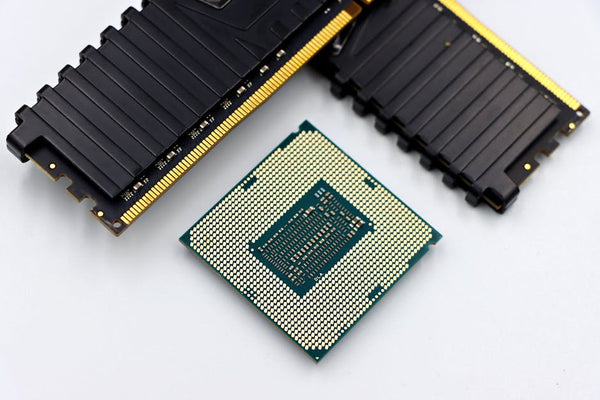
Intel's yield improvements are happening on their Intel 4 process (formerly 7nm, because naming conventions are apparently suggestions). This is the node powering Meteor Lake mobile chips and upcoming desktop processors.
But here's what the tech news articles won't tell you: TSMC is still ahead. Apple's M3 chips and AMD's latest Ryzen processors are manufactured on more advanced processes. Intel claiming victory because they're finally hitting targets they should've hit years ago isn't exactly inspiring confidence.
Hot take: Intel's stock jump is more about investor relief than actual technological breakthroughs. Wall Street was so convinced Intel was completely screwed that any good news looks amazing by comparison.
What This Means for 2024 Gaming Builds
If you're planning a build right now, ignore the stock market noise. Focus on actual performance and value.
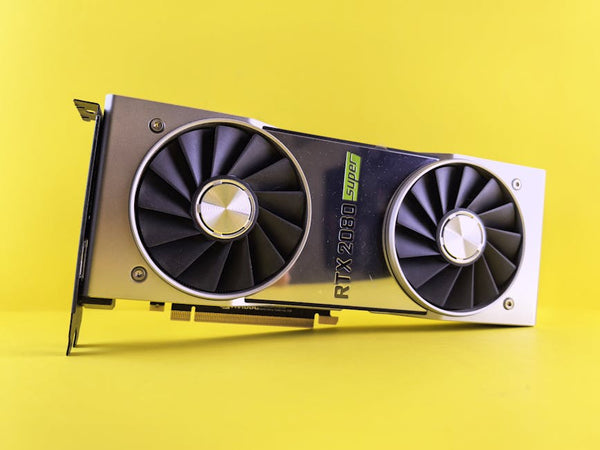
The RTX 4060 Ti still has that ridiculous 128-bit memory bus that everyone hates. The RTX 4070 is finally decent value after multiple price cuts. AMD's RX 7800 XT offers better rasterization for the money but weaker ray tracing.
For CPUs, the sweet spot remains the same. Budget builds? Ryzen 5 7600 or Intel i5-13400F. Mid-range? Ryzen 7 7700X or Intel i7-13700K. High-end gaming? Ryzen 7 7800X3D is king, period.
Want to build your custom gaming PC with BitCrate? Start with your GPU choice and work backward. The CPU market hasn't fundamentally changed because Intel had one decent quarterly report.
Looking Past the Hype
Intel's improved manufacturing yields are legitimately good news for the industry. Competition drives innovation, and AMD needs Intel to stay competitive to prevent complacency.
But let's be honest about timelines. These yield improvements won't meaningfully impact consumer products until late 2024 at the earliest. More likely 2025. If you're building a gaming PC this year, you're choosing from current hardware regardless.
The gaming technology landscape changes fast, but not that fast. Intel's stock can jump 28% in a day, but actual silicon development takes years.
The Bottom Line for PC Builders
Should Intel's recent success influence your next build? Only if you were already considering their current processors based on performance and price.
A 28% stock jump doesn't make the i9-13900K suddenly draw less power or run cooler. It doesn't make DDR5 prices drop overnight. It doesn't change the fact that most games are still GPU-bound anyway.
Build for your needs today, not Intel's potential tomorrow. The best gaming PC is the one you can actually buy and use, not the theoretical future build that might be 5% better next year.
Wall Street can celebrate Intel's comeback story all they want. Meanwhile, I'll be here recommending whatever gives my customers the best frames per dollar. Right now, that's still a mixed bag depending on your specific use case.
Intel's manufacturing improvements are promising for the future of x86 processors. But promising and delivered are two very different things in this industry. We've learned that lesson the hard way over the past decade.














Leave a Comment