


When Steam Libraries Cost More Than Houses: Why Your Gaming PC Build Matters More Than Game Count
So there I was, scrolling through my Steam library the other day, wondering if I'd ever actually play that copy of Cyberpunk 2077 I bought during last year's holiday sale. Then this wild stat hits my feed: 120 Steam users now own 20,000+ games, with three absolute madlads sitting on libraries worth more than most people's houses. One player? Their collection clocks in at nearly $750,000 at today's prices.
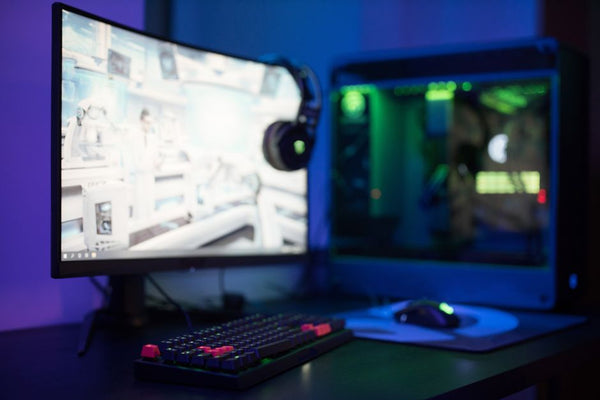
My first thought wasn't "wow, that's impressive." It was "dear god, what kind of gaming PC build do you need to even think about touching that library?"
The Math That'll Make You Question Everything
Let's break this down real quick. If you've got 40,000 games and your library's worth three-quarters of a million dollars, you're averaging about $18.75 per game. That's actually not terrible considering AAA titles launch at $60-70 these days. But here's the kicker — to play even 10% of those games at decent settings, you'd need a custom gaming PC that could handle everything from indie pixel art darlings to whatever monstrosity Unreal Engine 5 vomits out next year.
I remember this one customer who came into our shop here in Orange, TX with a similar problem (though thankfully not quite $750k worth). Dude had over 3,000 games and was running them on a GTX 1050. The pain in his eyes when he talked about his backlog was real.
Think about it — what good is owning every game ever made if your rig can't run half of them?
The Hardware Reality Check
Here's what nobody talks about in these "look at my massive Steam library" flex posts. Those whale collectors? They're not just buying games. They're essentially funding their own personal gaming museums. And museums need serious infrastructure.
For a library that massive, you're looking at storage requirements that would make most people weep. We're talking multiple terabyte SSDs minimum. A single modern AAA game can eat 150GB+ of space. Do the math on 40,000 titles and you'll need a dedicated server farm just for storage.
But storage is honestly the easy part. The real question? How do you build a gaming PC that can handle literally anything you might want to throw at it?
Building for the Impossible: A Custom Gaming PC for Every Game
Personally, I think the sweet spot for these mega-collectors isn't one monster rig — it's multiple targeted builds. Crazy? Maybe. But hear me out.
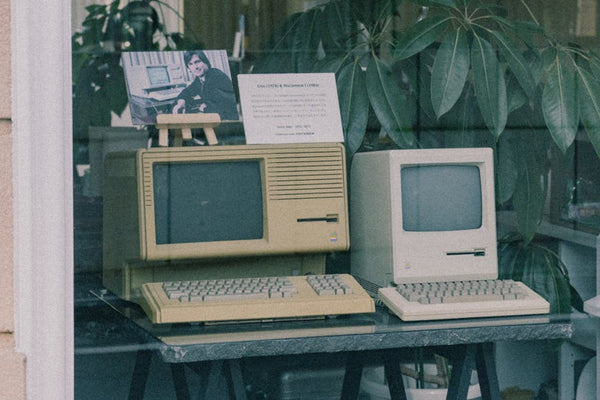
You've got your retro games that run better on older hardware anyway. Your indie darlings that barely need a graphics card. Your simulation games that eat CPU cores for breakfast. And then you've got your bleeding-edge ray-traced nightmares that demand the latest RTX 4090.
One build can't rule them all effectively. Not really.
The Reality Build: What Actually Works
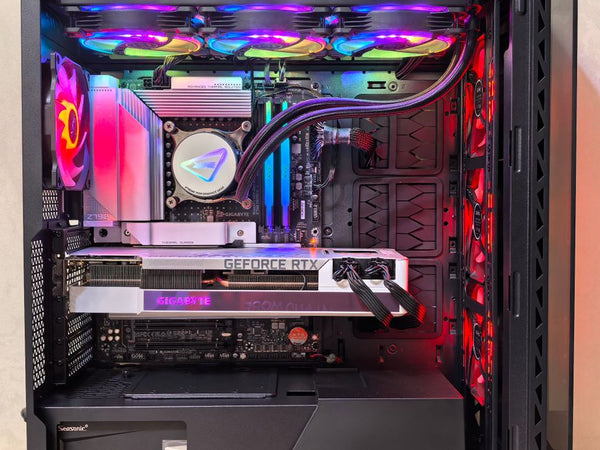
If you're dead set on one PC build guide to handle everything, here's what I'd recommend based on years of helping folks with massive backlogs:
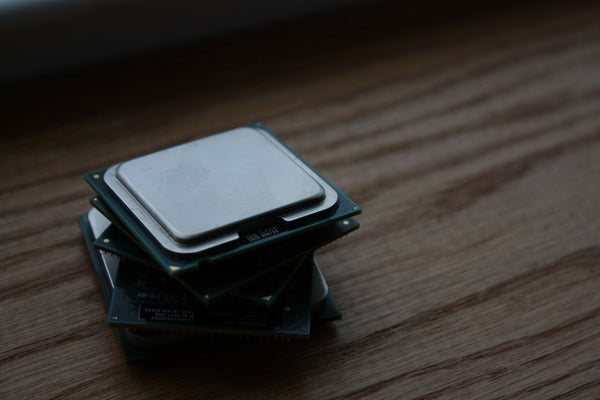
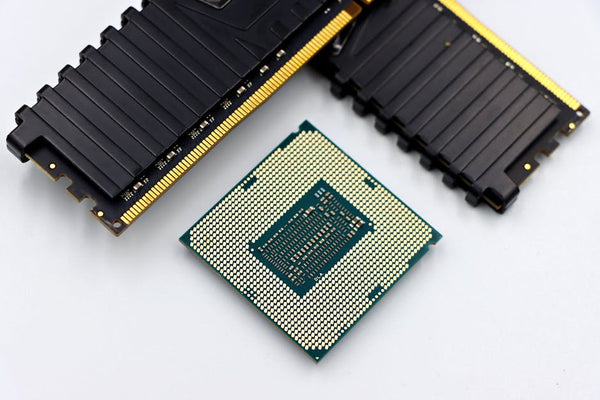
CPU: AMD Ryzen 7 7800X3D. That 3D V-cache is magic for gaming, and the 8 cores handle multitasking like a champ. Plus it doesn't guzzle power like Intel's flagship chips.
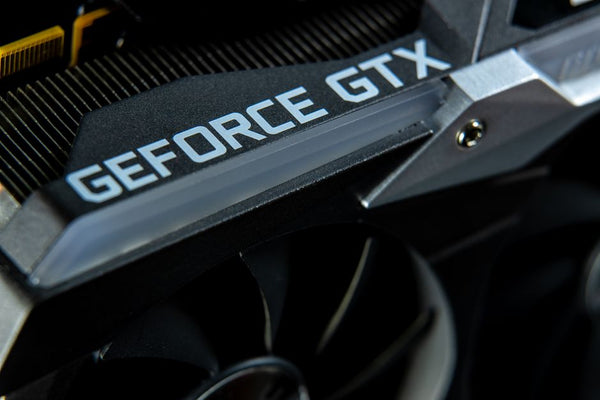
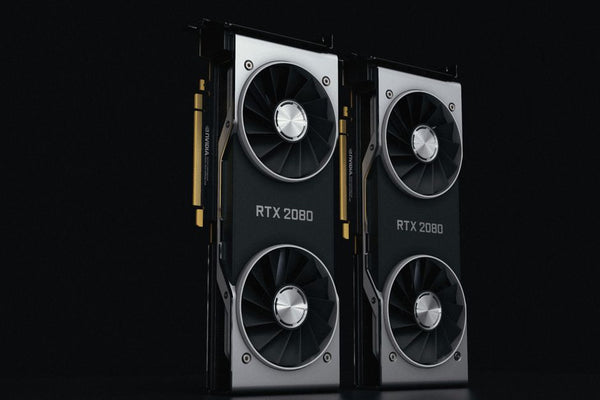
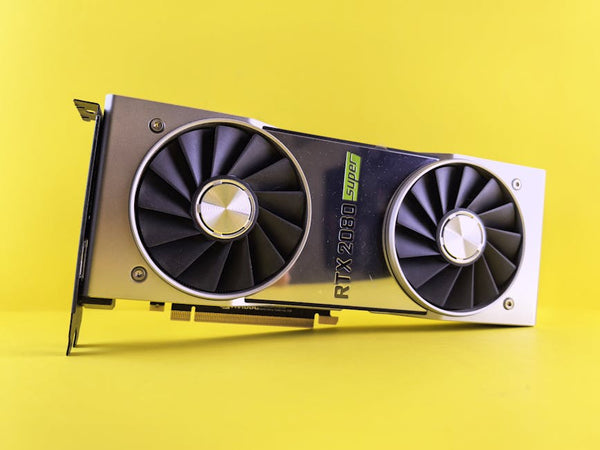
GPU: RTX 4070 Super. Not the absolute fastest, but it handles 1440p gaming beautifully and won't bankrupt you. You can always upgrade later when the RTX 5080 drops and prices crater.
RAM: 32GB DDR5-6000. Games are eating more memory every year, and you'll want headroom for browser tabs, Discord, and whatever streaming nonsense you're running.
Storage: This is where it gets spicy. 2TB NVMe for your current rotation, plus a 4TB+ HDD for the deep backlog. You're not playing all 20,000 games simultaneously, right?
The Budget Reality (Because Most of Us Aren't Whales)
Look, if you're reading this, you probably don't have $750k sitting in your Steam library. You might have 500 games, maybe 1,000 if you've been collecting for a decade. That's still more than you'll ever reasonably play.
Hot take: You don't need to build for every game you own. Build for the games you'll actually play in the next two years. I've seen too many people blow their budget on overkill specs to run games they'll never touch.
That RTX 4090? Amazing card. Do you need it to play Stardew Valley and Among Us? Absolutely not. Save the money and upgrade when you're actually ready to dive into Cyberpunk 2077's ray-traced glory.
The Psychology of Digital Hoarding
Why do people even collect this many games? I've asked customers this question more times than I can count. The answers usually boil down to FOMO, sale addiction, and this weird completionist urge that gaming seems to trigger.
Steam sales are basically digital crack. I get it. That game you kinda wanted is 75% off? Add to cart. Bundle deal that includes six games for less than one normally costs? Sold. Before you know it, you're sitting on thousands of unplayed titles.
But here's the thing — having games you can't run properly is worse than not having them at all. Nothing kills the excitement of finally trying that indie gem like watching it stutter on low settings because your GPU is five years old.
The Practical Approach
Instead of building for your entire library, why not build your custom gaming PC around your top 50 most-wanted games? Seems more reasonable, doesn't it?
Make a list. What are you actually excited to play? What genres do you gravitate toward? Are you a competitive esports player who needs high framerates, or do you prefer atmospheric single-player adventures where visuals matter more?
This approach saves money and ensures you're building something that actually enhances your gaming experience instead of just checking boxes on a spec sheet.
When More Isn't Better
I'll be honest — seeing these massive Steam libraries makes me a little sad. Not because I'm jealous, but because I know most of those games will never get the attention they deserve. Developers poured their hearts into creating experiences, and they're just sitting there gathering digital dust.
Gaming isn't about accumulation. It's about connection. Whether that's with a story, a world, other players, or just the pure joy of mastering mechanics. You can't connect with 40,000 games. Hell, you can barely connect with 40 if you're doing it right.
Maybe the real flex isn't having the biggest library — it's having a PC build guide that perfectly matches how you actually play games. Quality over quantity, as they say.
The whales will keep whaling, and honestly, more power to them. Their spending habits fund indie developers and keep Steam sales rolling. But for the rest of us? Let's focus on building rigs that make our favorite 50 games sing instead of struggling to run our neglected 5,000.
Because at the end of the day, the best gaming PC is the one that's actually being used to play games you love, not just store ones you might someday think about installing.














Leave a Comment