


Building Your Gaming PC Build Around DRM Protection: What Every PC Gamer Needs to Know
Honestly, when I tell people I used to work at GameStop before switching to tech journalism, they usually ask me about trade-in values or midnight launches. But what really stuck with me? The sheer number of confused customers asking why their brand-new AAA game wouldn't start on their custom gaming PC.
Nine times out of ten, it was DRM acting up.
Now that I'm working with builds at TieredUp Tech here in Orange, TX, I see the same frustration from a different angle. Someone drops $2,000 on a killer rig, downloads their legitimately purchased game, and boom — error messages about "failed to initialize anti-tamper" or mysterious crashes to desktop. Welcome to the wild world of Denuvo Anti-Tamper, gaming's most controversial digital rights management system.
What Exactly Is Denuvo DRM (And Why Should You Care)?
Let's get real here. Denuvo isn't technically DRM — it's anti-tamper software that protects existing DRM systems. Think of it as armor around armor. Publishers love it because it makes piracy incredibly difficult during those crucial first few weeks when most sales happen. Gamers... well, that's complicated.
Denuvo works by constantly checking if the game executable has been modified. It's like having a paranoid security guard who verifies your ID every five minutes. This constant verification creates what security experts call "virtualization" — essentially wrapping the game's code in multiple layers of protection that make reverse engineering a nightmare.
The company behind it? Austrian software firm Denuvo GmbH, which was acquired by anti-piracy specialist Irdeto in 2018. They've been playing cat and mouse with crackers since 2014, and honestly, it's been fascinating to watch from the sidelines.
Performance Impact: The Elephant in the Room
Here's where things get spicy. Does Denuvo hurt gaming performance? The company says no. Independent testing says... maybe? It's complicated.
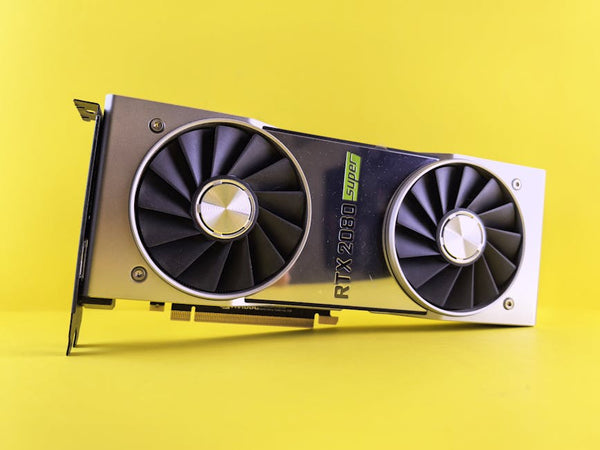
I remember helping a customer last month who was getting stuttering issues in Resident Evil Village on his RTX 4070 build. Same specs as dozens of other builds I'd configured, but his performance was noticeably worse. Turns out the Denuvo implementation in that particular game was causing micro-stutters during the constant verification checks.
Hot take: even if the performance impact is "only" 5-10%, that matters when you're trying to maintain 144fps on a high-refresh monitor. When someone's spending serious money on their gaming PC build, every frame counts.
The Hypervisor Bypass: A New Chapter in the Arms Race
Now here's where things get really interesting. In late 2023, the cracking scene achieved something many thought impossible — a hypervisor-level bypass of Denuvo's latest protection.
What's a hypervisor? Think of it as software that sits below your operating system, managing virtual machines. By operating at this level, crackers found a way to essentially "hide" their modifications from Denuvo's detection systems. It's like having a secret tunnel that bypasses all the security checkpoints.
This isn't your typical crack that patches a few bytes and calls it done. We're talking about sophisticated virtualization techniques that would make enterprise security teams sweat. The technical complexity is honestly impressive, even if you disagree with the application.
Why This Matters for PC Building
You might be wondering — why should someone planning their custom gaming PC care about DRM bypass techniques? Fair question. Here's the thing: these developments directly impact how games perform on your hardware.
When Denuvo gets bypassed, publishers often respond by implementing even more aggressive protection methods. This creates a cycle where legitimate customers end up dealing with increasingly intrusive systems. Remember SecuROM? That nightmare from the mid-2000s that basically installed rootkits on people's computers?
We're not there yet, but the trajectory isn't great.
The Real Winners and Losers
Personally, I think everyone's losing this arms race except maybe the DRM companies themselves. Publishers spend millions on protection that gets cracked anyway. Gamers deal with performance hits and compatibility issues. Crackers waste incredible talent on what's essentially digital vandalism.
But here's the nuance nobody talks about: some of the most passionate gamers I know are also the ones pushing these technical boundaries. The same skills that enable hypervisor bypasses could be used for legitimate security research, game modding, or preservation efforts.
It's messy, and I'm honestly not sure where I stand sometimes.
Building Around DRM Reality
So what does this mean when you're configuring your PC build guide? A few practical considerations:
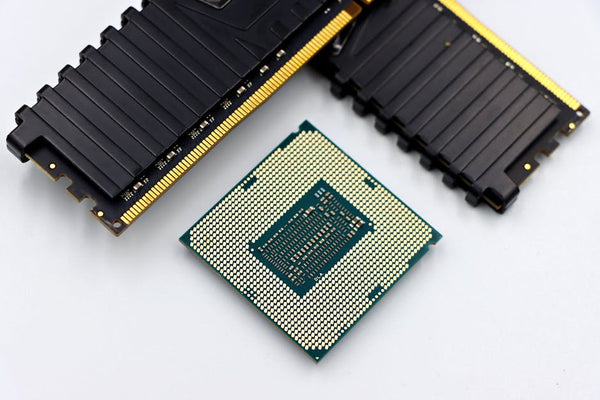
CPU overhead matters more than you think. Denuvo's constant verification creates additional CPU load. If you're building a budget gaming rig, maybe bump up from that Ryzen 5 to a Ryzen 7. The extra cores help handle background protection processes without impacting gameplay.
Storage speed becomes crucial. All those verification checks involve disk access. An NVMe SSD isn't just about faster loading screens anymore — it's about reducing the stutters that happen when Denuvo does its thing.
RAM matters too, but probably not how you'd expect. It's less about capacity and more about stable timings. Memory instability can trigger Denuvo's tamper detection, causing crashes that have nothing to do with actual piracy attempts.
The Future of Gaming Protection
Where does this all go from here? The hypervisor bypass represents a significant escalation in the technical sophistication of both protection and circumvention methods. We're likely to see even more system-level integration from future DRM systems.
Microsoft's Pluton security processor, built into newer AMD and Intel chips, could be the next battlefield. Imagine DRM that's baked into your CPU itself — that's the direction we're heading.
For PC builders, this means considering security features that you might have ignored before. TPM modules, secure boot capabilities, and hardware-level attestation are becoming relevant to gaming, not just enterprise security.
The irony? As protection gets more sophisticated, it becomes more intrusive for legitimate users while still getting bypassed by determined crackers. It's like installing increasingly complex locks on a door that people just walk around.
What This Means for Your Next Build
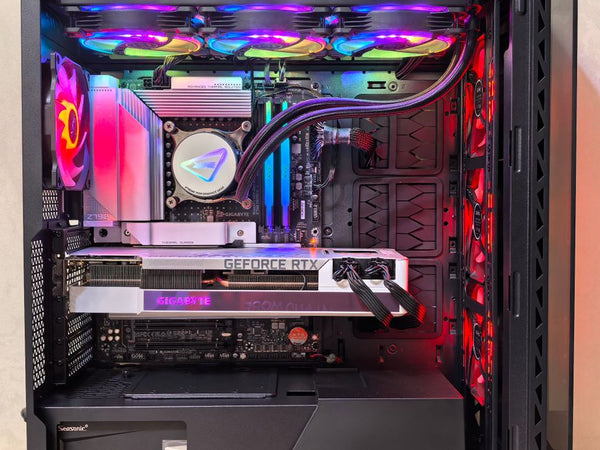
When you're ready to build your custom gaming PC with BitCrate, think beyond just fps benchmarks. Consider how your system will handle the overhead of modern protection systems. That extra $100 on a better CPU might save you from stuttering frustration six months down the line.
Will the hypervisor bypass change everything? Probably not immediately. But it's another reminder that in the world of PC gaming, you're not just buying hardware to run games — you're buying it to run games wrapped in increasingly complex protection schemes.
And honestly? That's just the reality we're building for now. The question isn't whether DRM will disappear — it's whether future systems will finally find the balance between protecting publishers and not punishing legitimate customers. Based on the last decade of escalation, I'm not holding my breath.














Leave a Comment