


Intel Raptor Lake Chips Still Worth Your Money: Why DDR4 Support Isn't Going Anywhere
So Intel just dropped some pretty solid tech news that's got me more excited than pulling a foil mythic from a booster pack. They're keeping Raptor Lake production running full throttle and promising DDR4 support isn't getting the axe anytime soon. Honestly? This is exactly what the PC building community needed to hear right now.
Think about it like this: remember when everyone thought Standard rotation in Magic would kill older deck archetypes, but then Wizards kept reprinting key cards? Intel's doing something similar here. They're not forcing everyone into the expensive new format (DDR5) while simultaneously keeping the proven, budget-friendly option (DDR4) alive and kicking.
What This Actually Means for Your Next Build
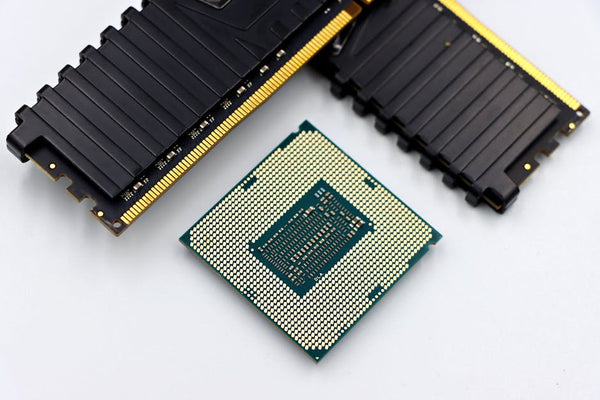
Let's cut through the corporate speak. Intel saying Raptor Lake chips are "not going anywhere" means 13th gen CPUs will stay in production alongside their shiny new Arrow Lake siblings. More importantly, they're committing to "abundantly available" stock levels.
This isn't just good news. It's great news.
Why? Because it gives builders real choice instead of forcing upgrades. You know how frustrating it is when your favorite TCG archetype gets power-crept out of existence? Intel's avoiding that trap by keeping multiple generations viable simultaneously.
The DDR4 support commitment is where things get really interesting though. We're talking about motherboards that'll support both DDR4 and DDR5 memory standards. That's like getting a deck that can run both old-school cards and new mechanics without breaking your wallet.
Budget Builds Just Got More Interesting
Personally, I think this move saves Intel from a major misstep. Forcing everyone into DDR5-only territory would've been like requiring everyone to buy premium sleeves for every card – technically better performance, but not everyone needs or wants to pay that premium.
DDR4 prices have been absolutely solid lately. We're seeing 32GB kits hovering around $60-80 for decent speeds, while DDR5 equivalents still command $120-150 for similar performance gains. That's a 50-75% price difference for maybe 10-15% real-world performance improvement in most games.
The math is simple: if you're building a system around a Raptor Lake i5-13400F or i7-13700K, pairing it with DDR4-3200 makes way more sense than stretching your budget thin for DDR5-5200. Put that saved cash toward a better GPU instead.
Why This Gaming Technology Decision Makes Sense
Intel's not being altruistic here – they're being smart. Arrow Lake's DDR5-only approach targets enthusiasts and high-end workstation users who don't blink at premium pricing. But the mass market? That's still very much DDR4 territory.
Think of it this way: not every Magic player needs to run the most expensive manabase possible. Sometimes basics and budget lands get you 90% of the way there. Same logic applies to memory standards.
Hot take: Intel learned from AMD's playbook here. Ryzen kept AM4 alive way longer than anyone expected, and it paid dividends in customer loyalty. People appreciate having upgrade paths that don't require motherboard swaps every generation.
The Motherboard Situation Gets Interesting
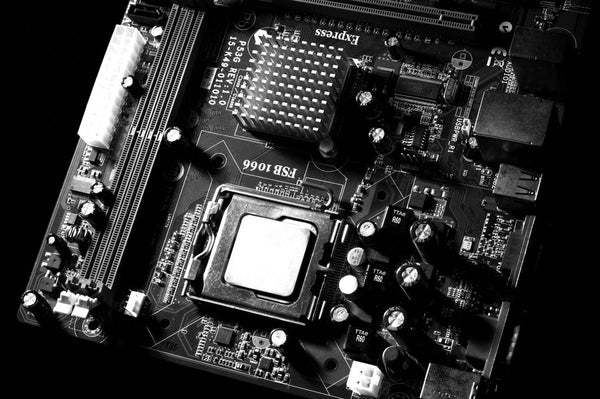
Here's where things get genuinely exciting for system builders. Intel's promising motherboards with both DDR4 and DDR5 support. Now, I've got some uncertainty about how this'll actually work in practice – will these be separate DIMM slots? Will you choose during BIOS setup? The technical implementation matters a lot for real-world usability.
But assuming Intel executes this properly, it's lowkey brilliant. Start with DDR4 to keep initial costs down, then upgrade to DDR5 later when prices drop and your use case actually benefits from the extra bandwidth. That's the kind of future-proofing that actually makes sense.
Working at TieredUp Tech here in Orange, TX, I see customers wrestling with this exact dilemma constantly. They want performance but don't want to overspend on components that won't meaningfully impact their gaming experience. This dual-standard approach gives them real flexibility.
What About Arrow Lake Though?
Don't get me wrong – Arrow Lake isn't suddenly irrelevant. If you're doing serious content creation, running VMs, or chasing every last fps in competitive gaming, the newer architecture brings real benefits. Think of it as the tournament-grade deck versus the FNM-viable build.
But for most gamers? A well-configured Raptor Lake system with fast DDR4 will handle everything you throw at it. We're talking 1440p gaming at high settings, streaming, multitasking – the works.
The performance gap between 13th gen and 14th gen Intel chips is honestly pretty narrow in gaming scenarios. Yeah, Arrow Lake brings architectural improvements and better power efficiency, but we're not seeing the massive generational leaps that would make older hardware obsolete overnight.
Market Dynamics at Play
Intel's clearly learned from the GPU market's pricing disasters. Remember when RTX 4060 Ti launched at $400 and everyone collectively went "nah"? Forcing DDR5 adoption too aggressively would've created similar pushback.
Instead, they're letting market forces work naturally. DDR5 prices will continue dropping as production scales up and demand normalizes. Meanwhile, DDR4 remains the value champion for budget-conscious builders.
This approach also gives Intel breathing room against AMD. Ryzen 7000 series requires DDR5, which can make total platform cost significantly higher than comparable Intel builds with DDR4. That's a real competitive advantage in the $800-1200 system price range where most gaming PCs get built.
Building Your System Strategy
So what does this mean for your next build? Simple: you've got options, and options are always good.
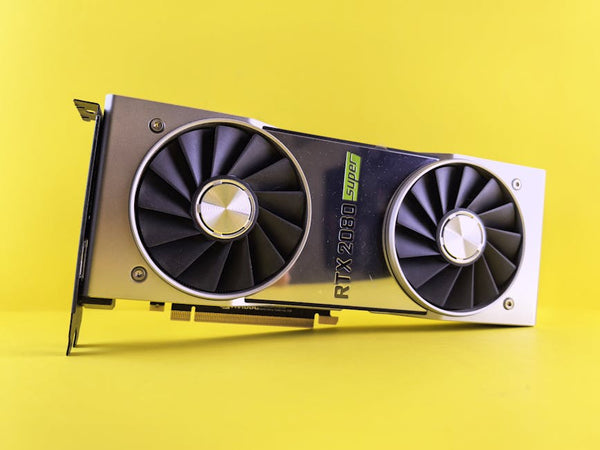
If you're targeting 1080p or 1440p gaming with a mid-range GPU like RTX 4060 Ti or RX 7700 XT, Raptor Lake with DDR4 is absolutely the sweet spot right now. Save the money on memory and put it toward a better graphics card or faster storage.
Planning a high-end build with RTX 4080 or better? Then yeah, consider stretching for DDR5. The extra bandwidth actually starts mattering when you're pushing really high frame rates or doing memory-intensive workloads.
The dual-standard motherboards create a third option though: start with DDR4 now, upgrade to DDR5 in two years when prices are more reasonable. That's assuming the implementation works well, which tbh remains to be seen.
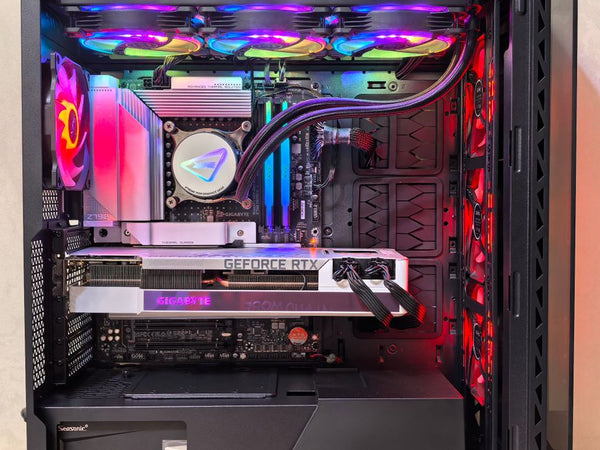
Want to build your custom gaming PC with BitCrate? This news makes Raptor Lake configurations even more appealing for budget-conscious builds without sacrificing future upgrade potential.
The Timing Question
Should you buy now or wait? Honestly depends on your current situation. If you're running something ancient like 8th gen Intel or first-gen Ryzen, upgrading to Raptor Lake makes total sense. The performance jump will be massive regardless of memory standard.
But if you're on 10th gen or newer Intel, or Ryzen 3000+? Maybe wait and see how these dual-standard motherboards actually perform in practice. No point rushing into an upgrade when your current system handles everything fine.
The beauty of Intel's commitment is it removes the urgency factor. Raptor Lake isn't going extinct next quarter, so you can make upgrade decisions based on actual need rather than artificial scarcity.
This whole situation reminds me of why I love both PC building and TCGs – there's always multiple viable strategies, and the "best" choice depends entirely on your budget, goals, and timing. Intel just made sure we'll have those options for a good while longer, and that's something worth celebrating.
















Leave a Comment