


William Shatner's MTG Kirk Card Roast Highlights Everything Wrong With AI-Generated Art in Trading Card Games
When the actual Captain Kirk himself calls out your card artwork for looking like garbage AI slop, you know you've messed up. William Shatner's X account absolutely dunked on the new James T. Kirk card from Magic: The Gathering's Universe Beyond Star Trek set, and honestly? The man's got a point.
The 93-year-old legend didn't hold back. His account straight-up accused the card art of being AI-generated, and ngl, looking at the image, it's hard to argue. The face looks weirdly smooth, the proportions are off, and there's that telltale uncanny valley vibe that screams "algorithm made this." For a trading card game that's been the gold standard for fantasy art since 1993, this is genuinely embarrassing.
Why This MTG Star Trek Controversy Actually Matters
Look, I've been building PCs and watching the gaming industry for decades. Saw the rise of digital art. Witnessed photorealistic renders become the norm. But this Kirk card situation hits different because it represents something bigger happening across all gaming.
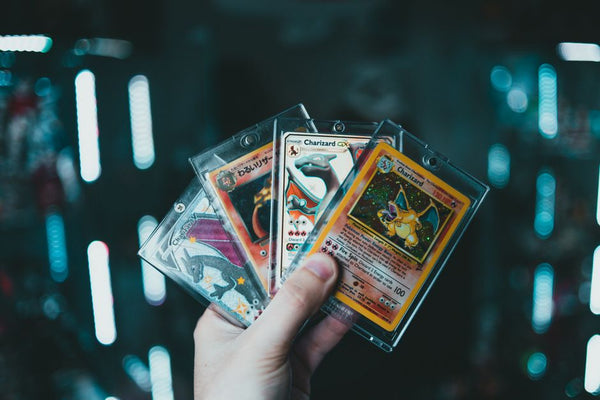
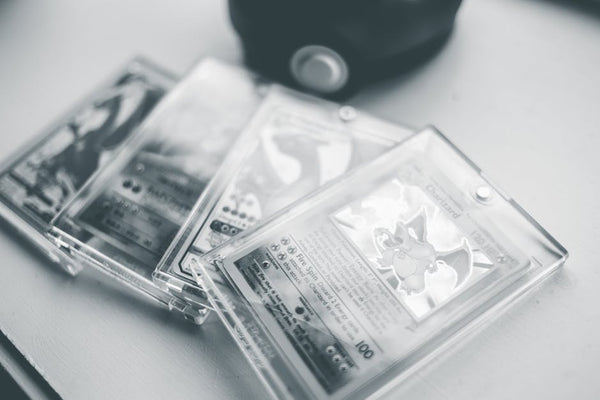
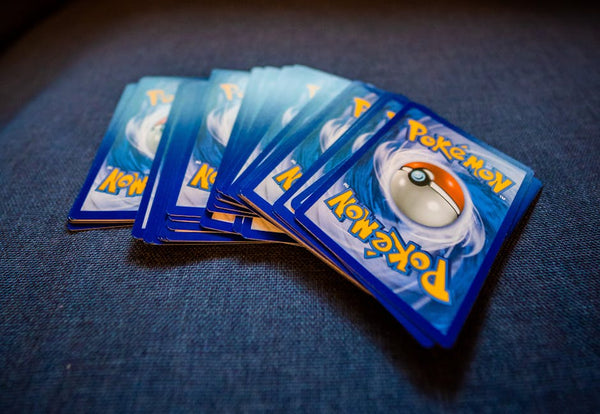
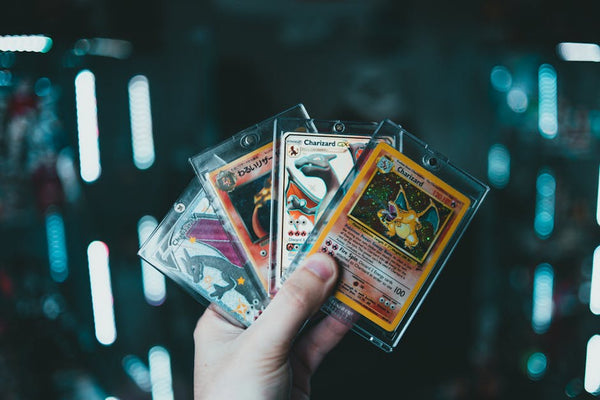
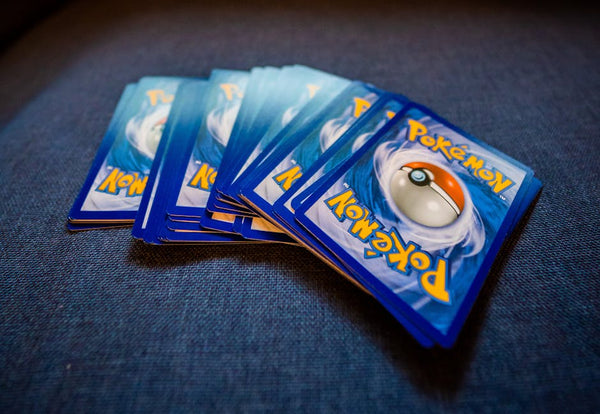
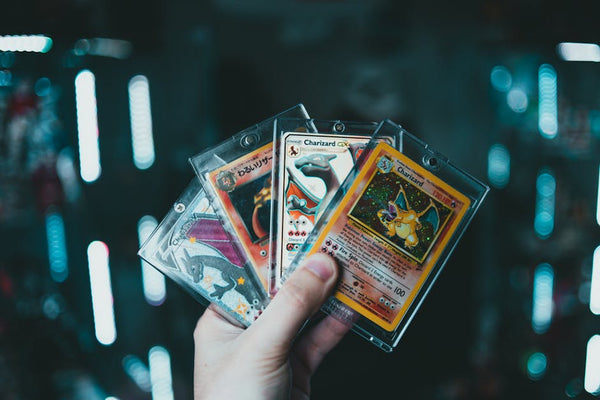
Pokemon TCG artists still hand-paint most of their illustrations. You can feel the passion in every Charizard, every Pikachu. Meanwhile, MTG seems increasingly willing to cut corners with questionable digital shortcuts. When I was helping organize some Magic: The Gathering Singles at our shop in Orange, TX last week, customers kept bringing up how sterile newer cards feel compared to classic Rebecca Guay or John Avon pieces.
The Shatner callout matters because it's not just some random internet critic. This is Captain Kirk himself saying "this doesn't look like me, and frankly, it looks fake as hell." That's damning.
The Technical Problems With AI Art in Card Games
Here's what makes AI-generated art so obvious to spot once you know what to look for. The lighting never quite makes sense. Shadows fall wrong. Facial features blend together in that weird smoothed-out way that screams "neural network averaging."
The Kirk card shows all these issues. His face looks like someone fed a bunch of Shatner photos into Midjourney and called it a day. No understanding of character. No artistic interpretation. Just bland algorithmic averaging that strips away everything that makes Kirk... well, Kirk.
Real talk: if you're going to use someone's likeness on a premium collectible card, maybe spend more than five minutes generating art?
What This Means for Trading Card Game Collectors
Personally, I think this controversy reveals a massive problem brewing in the collectibles market. Card game publishers are getting lazy with art direction, and it's going to bite them hard long-term.
Think about what makes cards valuable beyond gameplay mechanics. Iconic artwork drives demand. Black Lotus isn't just powerful - it's beautiful. The original dual lands aren't expensive only because they're tournament staples - those landscapes are gorgeous. Strip away artistic integrity, and you're left with cardboard rectangles that feel mass-produced rather than collectible.
The Star Trek set should've been a home run. Beloved franchise. Established characters. Built-in fanbase ready to throw money at premium products. Instead, we get Kirk looking like he escaped from a cheap mobile game advertisement.
How to Spot AI-Generated Card Art as a Buyer
Want to avoid buying cards that might age poorly due to questionable art choices? Here's what to watch for:
- Faces that look weirdly perfect or overly smoothed
- Lighting that doesn't match across different parts of the image
- Text or symbols that appear garbled or nonsensical
- Hands that look wrong (AI still struggles with fingers)
The Kirk card hits several of these markers. Shatner's face looks airbrushed to uncanny valley levels. The uniform details seem copied-and-pasted rather than painted with intention.
The Bigger Picture: AI vs Human Artists in Gaming
Hot take: the gaming industry's rush toward AI-generated content is going to create a premium market for human-made artwork. Cards illustrated by actual artists will become more valuable over time, while AI slop gets forgotten.
Look at what happened with digital vs traditional art in the 2000s. Everyone thought Photoshop would kill painting. Instead, hand-painted works became more precious. Same thing's happening now with AI. The more algorithmic garbage floods the market, the more collectors will pay for authentic human creativity.
Companies like Wizards of the Coast need to decide what they're selling. Are they producing collectible art pieces that happen to be game cards? Or are they churning out disposable gaming accessories with whatever imagery costs the least to generate?
What Should MTG Have Done Instead?
Simple answer: hire a real artist who understands both Star Trek and card illustration. Someone who could capture Shatner's Kirk without making him look like a wax museum reject.
Artists like Magali Villeneuve or even older MTG legends like Kev Walker could've knocked this out of the park. Instead, we got what appears to be five minutes of prompt engineering and zero human oversight.
The worst part? Shatner probably would've been thrilled to work with a talented artist on getting his likeness right. The man loves engaging with fans and franchise content. This could've been a collaboration instead of a controversy.
Why This Matters for the Future of Trading Card Games
This isn't just about one bad Kirk card. It's about setting precedent for what's acceptable in premium collectible products. If companies can get away with obvious AI shortcuts on high-profile releases, where does it end?
Pokemon TCG still invests heavily in original artwork because they understand the connection between art quality and long-term brand value. Their cards feel special. MTG increasingly feels corporate and soulless, especially on these Universe Beyond sets that should be love letters to beloved franchises.
Honestly, I'm worried we're witnessing the beginning of a race to the bottom. Publishers realize they can cut art costs by 90% using AI generation, and most casual buyers won't notice immediately. But collectors notice. Artists notice. And apparently, Captain Kirk notices.
The Shatner callout might be the wake-up call the industry needs. When a 93-year-old actor is schooling your art department on social media, maybe it's time to reassess priorities. Maybe it's time to remember that trading card games are supposed to be collectible art, not disposable cardboard printed with whatever the algorithm spits out.
At least now we know what happens when you try to cheap out on Captain Kirk's portrait. The real Kirk fights back, and he doesn't pull punches.










Leave a Comment