


Pokemon TCG Investing: Which Cards Actually Hold Their Value?
Let me be real with you - I've watched more people lose money on Pokemon cards than I care to count. Back when I worked at GameStop, I'd have customers coming in weekly asking about the "next big investment card" like Pokemon TCG was some kind of stock market. Spoiler alert: it's not that simple.
The trading card game market is wild right now. Absolutely wild. But here's the thing everyone gets wrong - they think every shiny Charizard is their ticket to early retirement. Nope. Understanding which Pokemon cards actually maintain their value requires looking beyond the hype and digging into the fundamentals.
Why Most Pokemon TCG "Investments" Fail Spectacularly
Remember the Logan Paul craze? That $6 million Charizard purchase had everyone thinking they could flip Base Set cards for millions. What actually happened? A bunch of people bought overpriced Modern cards thinking they'd struck gold.
Here's what I learned watching customers make these mistakes: rarity doesn't equal value. Condition is everything. And timing? That's the real killer.
I remember this one customer - let's call him Jake - who dropped $500 on a PSA 8 Charizard VMAX from Champions Path. He was convinced it'd double in value within six months. Fast forward to today? That same card sells for maybe $150 on a good day. Jake learned an expensive lesson about chasing trends instead of understanding fundamentals.
The Psychology Behind Bad Pokemon Card Investments
Why do smart people make terrible Pokemon card choices? It's the same reason people buy high and sell low in actual investing - emotions. Fear of missing out drives most bad purchases in this space.
You see a card spiking on eBay sold listings and think you need to jump in immediately. But by the time you're seeing those prices, the smart money has already moved on. The people making real profits bought those cards months or years earlier when nobody cared.
Which Pokemon Cards Actually Hold Value Long-Term
Honestly, there are only a few categories of Pokemon cards that consistently maintain or increase their value over time. Most everything else is just gambling with extra steps.
Vintage Base Set Cards (1998-2000)
Base Set Unlimited, Base Set 2, Jungle, Fossil - these aren't just cards, they're childhood memories. And that emotional connection drives real, sustained demand.
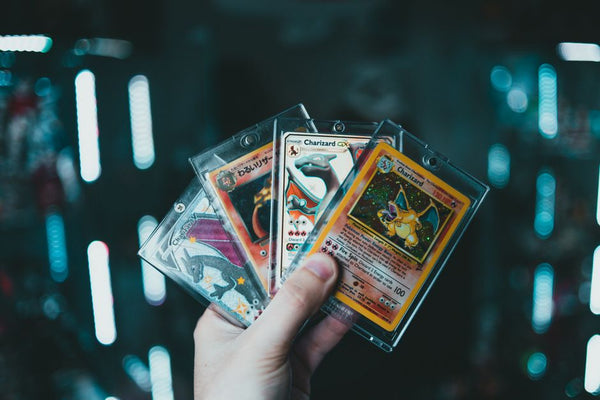
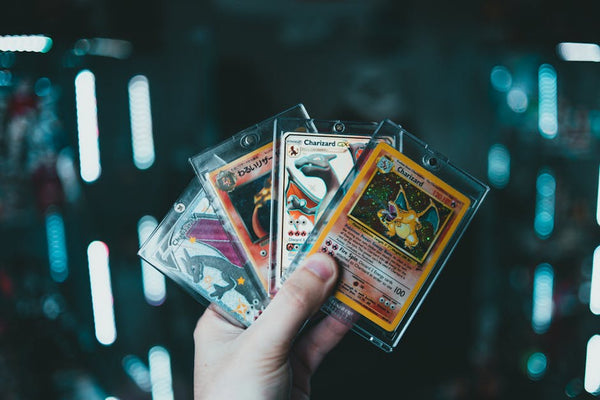
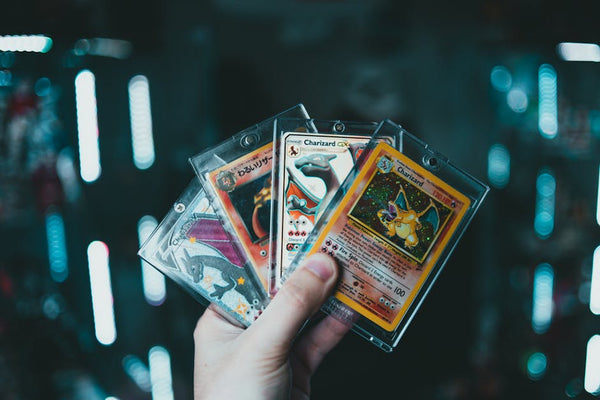
A PSA 9 Base Set Charizard regularly sells for $6,000-$8,000. Not because it's rare (it's not), but because it's iconic. Every millennial remembers wanting that card. Now they have disposable income and PayPal accounts.
But here's where it gets interesting - it's not just Charizard. Blastoise, Venusaur, even cards like Alakazam hold solid value in high grades. The key word? High grades. A beaten-up Base Set Charizard might be worth $100. That same card in PSA 10? We're talking $25,000+.
First Edition Cards From Any Vintage Set
First Edition stamps create artificial scarcity. Period. Whether it's Base Set, Jungle, or Fossil, that little "1st Edition" symbol adds serious premium.
A First Edition Jungle Jolteon in PSA 10 sells for around $400-500. The same card without First Edition? Maybe $80. That's a 5x multiplier just for a small printing difference.
Japanese Base Set Cards
Here's something most people don't know - Japanese Pokemon cards often hold value better than English versions. The Japanese market treats card games differently. They're not just collectibles; they're cultural artifacts.
Japanese Base Set cards in high grades consistently outperform their English counterparts in terms of percentage gains. A Japanese Base Set Charizard in PSA 10 can command $15,000-$20,000, sometimes more than the English version.
Modern Pokemon Cards: The Investment Minefield
Let's talk about modern Pokemon TCG investing. Hot take: most of it is complete nonsense.
Modern cards are printed in massive quantities. Hidden Fates Charizard? They made millions of those. Champions Path? Same story. Sure, you might see short-term spikes, but long-term value retention? That's a different conversation.
I was working with inventory at our Orange, TX location recently, and we had stacks of modern cards that customers bought at inflated prices last year. Now? Those same customers are trying to sell them back for 30% of what they paid. It's brutal to watch.
The Few Modern Exceptions
Okay, but some modern cards do hold value. Japanese alternate arts from recent sets like Battle Styles or Evolving Skies - those have staying power. The artwork is genuinely impressive, and Japanese cards still carry that premium.
Special delivery Bidoof? Lowkey one of the better Pokemon investments of 2021. Limited distribution, meme status, and genuine scarcity created perfect storm conditions. But cards like that are exceptions, not rules.
The Grading Game: Where Money Goes to Die
PSA, BGS, CGC - grading companies make bank while collectors lose their shirts. Here's the math that nobody talks about:
You buy a card for $100. Grading costs $50-100 depending on service level and turnaround time. If that card doesn't grade PSA 9 or higher, you're underwater immediately. Even PSA 8 often sells for less than the raw card price plus grading fees.
But here's the kicker - grading standards are subjective. I've seen identical cards get different grades from the same company. You're literally gambling with $150+ every time you submit a card.
"Only grade cards where a PSA 9 sells for at least 3x your total investment (card cost + grading fees). Otherwise, you're just paying for pretty plastic cases."
When Grading Actually Makes Sense
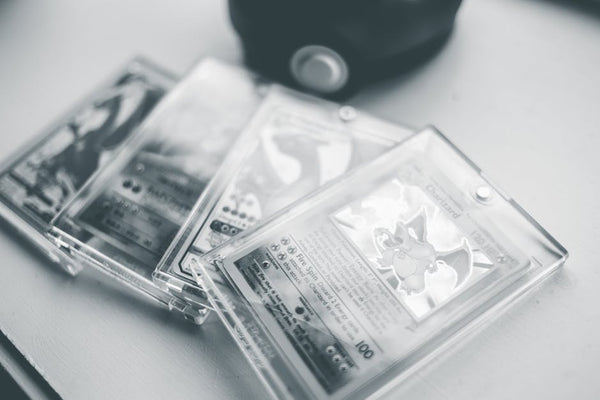
Vintage cards in excellent condition? Grade them. The premium for high-grade vintage Pokemon is substantial and consistent. Modern cards? Honestly, skip it unless you're dealing with true low-population items.
I personally think the grading bubble is unsustainable. Too many companies entering the market, too many collectors learning expensive lessons about grade sensitivity. But for now, vintage cards still benefit significantly from professional grading.
Red Flags: Pokemon Card "Investments" to Avoid
Want to lose money fast? Here's your playbook:
Buy anything Logan Paul mentions. Chase TikTok card trends. Believe eBay sold listings without checking actual completion rates. Think Pokemon Go popularity automatically translates to card value. Purchase mystery boxes hoping for "investments."
Seriously, mystery boxes are the lottery tickets of Pokemon collecting. The house always wins, and that house isn't your house.
The Reprints Problem
Pokemon Company International loves reprinting popular cards. That beautiful Charizard from Hidden Fates? They've reprinted it in five different sets now. Each reprint dilutes the original's value.
This is why vintage cards maintain value - they can't be reprinted. Base Set Charizard is Base Set Charizard. Forever. But that Champions Path Charizard? Just wait until they slap it in the next anniversary collection.
Building a Sustainable Pokemon Card Collection
If you're serious about Pokemon cards as investments, treat them like any other collectible market. Buy what you understand, focus on condition and authenticity, and think in years, not months.
Start with cards you actually remember from childhood. There's wisdom in nostalgia-driven collecting - you're buying into proven emotional demand rather than speculating on artificial hype.
Check out Pokemon TCG at TieredUp Tech if you're looking for properly graded cards without the eBay guessing games. But remember - even the best cards are only investments if you buy them right.
The 10-Year Rule
Here's my personal investment philosophy for Pokemon cards: if I wouldn't be comfortable holding something for ten years, I don't buy it. This eliminates 95% of modern cards immediately.
Will people care about Brilliant Stars Charizard in 2034? Probably not. Will they care about Base Set Charizard in 2034? Almost certainly yes. The difference is proven staying power versus speculation.
The Uncomfortable Truth About Pokemon Card Investing
Most people lose money on Pokemon cards. Not because the cards are bad investments, but because they approach collecting like day trading instead of like collecting art or vintage wine.
The people making real money bought vintage cards five years ago and held them. They didn't chase every new set release or try to flip cards for quick profits. They understood something crucial: in collectibles, time in market beats timing the market.
Does that mean you can't make money on Pokemon cards today? Absolutely not. But it means you need to be smarter, more patient, and way more selective than the average collector scrolling through eBay at 2 AM.
The real question isn't which cards hold value - it's whether you have the patience and discipline to hold them long enough to find out.








Leave a Comment