


Catch Scalpers Who Get Rich Flipping Pokémon TCG Cards in This Vindictive Shop Management Game
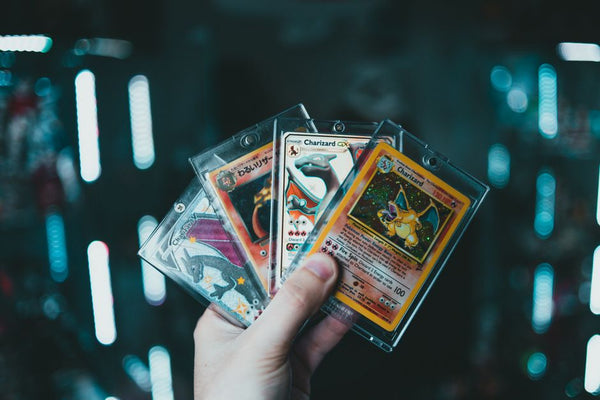
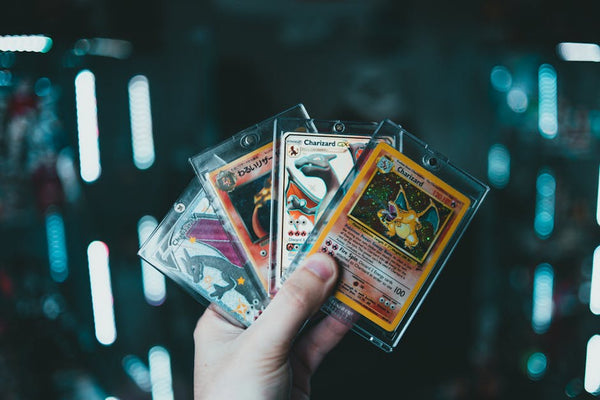
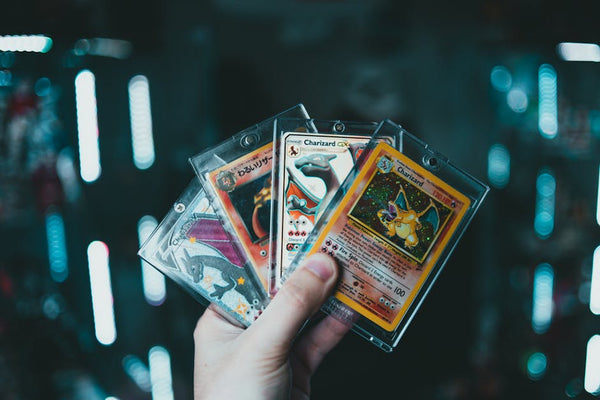
Picture this: you're scrolling through eBay, looking for that Charizard card you need to complete your deck, and you see it listed for $800. Last week? That same card was sitting in Target for $4.99. That rage building in your chest? "You're A Scalper, Aren't You?" wants you to channel every ounce of that fury into the most satisfying revenge fantasy I've played in years.
This isn't your typical shop management simulator. Nope.
It's basically "Papers, Please" meets Pokemon TCG collecting, with a healthy dose of vigilante justice sprinkled on top. You run a card shop, but your real job? Catching those parasites who've turned our hobby into their personal ATM machine.
What Makes This Trading Card Game Management Sim So Satisfying
Honestly, the premise alone had me hooked before I even downloaded it. You play as a shop owner who's absolutely done with scalpers ruining the trading card game scene. Your customers come in looking for specific cards, and you've got to figure out who's genuinely collecting versus who's planning to flip everything on eBay for triple the price.
The game mechanics remind me of hunting for undervalued graphics cards during the crypto boom. Remember when RTX 3080s were selling for $2000+ because miners bought everything? Same energy here, except now you're the one with the power to say "absolutely not" to the parasites.
What really gets me is how accurate the customer profiles are. You'll get the obvious scalpers - guys who walk in asking for "whatever's hot right now" or requesting bulk quantities of newly released sets. But then you've got the sneaky ones who've done their homework, name-dropping specific card numbers and acting like they're building competitive decks.
The Detective Work Is Surprisingly Deep
The game doesn't just hand you obvious tells. You've got to actually investigate your customers like some kind of TCG Sherlock Holmes. Check their purchase history. Notice patterns. That person who bought 20 booster boxes last month but claims they're "new to the hobby"? Yeah, right.
I spent three hours yesterday just analyzing customer data, cross-referencing purchase patterns with market trends. It's weirdly addictive. The game pulls actual market data for reference, so when someone's buying up cards that spiked 400% in value last week, you know what's up.
Personally, I think this hits so hard because we've all dealt with this garbage in real life. Working at shops around Orange, TX, I've seen firsthand how scalpers can completely destroy local scenes. Kids can't afford the cards they want because some dude in a Tesla bought the entire shipment to flip online.
Pokemon TCG Scalping: The Real-World Problem
Let's talk numbers for a second. During the Logan Paul hype in 2021, Base Set booster boxes went from roughly $6000 to over $20,000. First Edition boxes? Don't even get me started. Those hit $400,000+ at auction. Meanwhile, actual players couldn't find basic trainer cards at reasonable prices.
The game captures this frustration perfectly. You'll have customers - clearly kids or genuine collectors - desperately searching for specific cards they need. Then some scalper wannabe rolls up asking for everything valuable in your inventory. The satisfaction of telling them to pound sand? *Chef's kiss*
But here's where it gets interesting: the game doesn't paint everyone with a broad brush. Sometimes you'll encounter customers who seem suspicious but turn out to be legitimate collectors making big purchases for their personal collection. Other times, the sweet grandmother buying "cards for her grandson" is actually running a sophisticated flipping operation.
The Moral Gray Areas
Hot take: not everyone who buys and sells cards is automatically Satan. The game acknowledges this nuance, which I appreciate. Some customers flip cards to fund their own collecting habits. Others are small-time dealers trying to make ends meet. The real villains are the industrial-scale operations that treat our hobby like a commodity market.
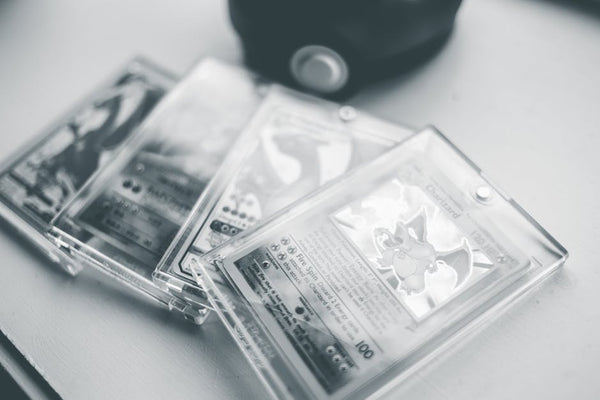
You've got to make judgment calls constantly. Is someone buying six copies of the new Charizard because they're greedy, or because they want one for their collection, one to grade, and extras to trade? These decisions affect your shop's reputation and your relationship with the community.
Shop Management Meets Justice Fantasy
The actual shop management elements are solid too. You're not just playing "catch the scalper" - you're running a legitimate business. Stock management, customer relationships, employee scheduling, rent payments. It's got that "two weeks to make rent" pressure that makes every decision matter.
The inventory system particularly reminds me of building a PC. You've got to balance high-demand items that move fast versus specialty products that sit longer but have better margins. Just like how you wouldn't stock 50 RTX 4090s if your customer base mostly wants budget builds, you can't fill your shop with expensive vintage cards if your community wants current Standard-legal decks.
Staff management adds another layer. Hire the wrong person, and they might tip off scalpers about incoming shipments. Hire too many people, and you can't afford restocking. The economics actually make sense, which is refreshing in a gaming landscape full of "infinite money" simulators.
Building Your Anti-Scalper Empire
As you progress, you unlock new tools for identifying problematic customers. Security cameras, purchase tracking systems, even partnerships with other shops to share blacklists. It's like building your own intelligence network dedicated to protecting the hobby we love.
The progression feels earned because each upgrade represents a real improvement to your detective capabilities. Better cameras help you spot suspicious behavior. Enhanced tracking systems reveal patterns across longer timeframes. Eventually, you're running a shop that's basically Fort Knox for legitimate collectors.
But the scalpers adapt too. They start using different names, employing friends to make purchases, even creating elaborate backstories. The game evolves into this cat-and-mouse thriller where you're constantly updating your methods to stay ahead.
Why This Game Matters for the Community
Look, this is obviously a fantasy. In real life, we can't just ban customers based on gut feelings. But the game serves as this cathartic release for everyone who's watched scalpers ruin local scenes and price out genuine fans.
More importantly, it highlights the actual problem. When middle schoolers can't afford Pokemon cards because adults are treating them like stock investments, something's broken. The game doesn't offer real solutions, but it at least acknowledges the frustration we're all feeling.
I'm curious how this'll land with different audiences. Will scalpers themselves play it? Probably, and they'll probably miss the point entirely. Will it change anything? Probably not. But sometimes you need a space to imagine justice existing, even if it's just in a video game.
The developers clearly understand our community's pain points. Every mechanic, every customer interaction, every moral choice reflects real experiences from card shops worldwide. It's validating to see someone finally make a game that gets why we're so angry about what's happened to our hobby.
This game launches next month, and honestly? I'm ready to live out my revenge fantasies while pretending to run a morally upright business. Sometimes that's exactly what you need after watching another $5 card sell for $200 on eBay.




























Leave a Comment