


Magic: The Gathering Final Fantasy Crossover — Worth Your Hard-Earned Cash or Just Expensive Cardboard?
Look, I've been slinging cards longer than some of you have been alive, and when Wizards announced they were dropping a Magic: The Gathering Final Fantasy crossover set, my first thought was "here we go again with the cash grab crossovers." But after cracking packs, testing cards, and watching the secondary market explode like a poorly cooled RTX 4090, I've got some thoughts.
The MTG Final Fantasy set isn't your typical Magic release. We're talking full art lands that look like they were ripped straight from FFVII's Midgar, legendary creatures that actually capture the essence of beloved characters, and mechanics that somehow don't feel completely busted in eternal formats. Yet.
What You're Actually Getting in This Trading Card Game Crossover
First things first — this isn't some lazy reskin job. The art direction is genuinely stunning, which matters more than most people think when you're dropping serious money on cardboard. Cloud looks like Cloud, not some generic anime protagonist with spiky hair. Sephiroth's card art made me pause mid-crack because it's that good.
The mechanical design actually respects both franchises. Lightning doesn't just have flash because "she's fast" — her card design reflects her paradigm shifting from the games. That's the kind of attention to detail that makes crossovers work instead of feeling like corporate committee nonsense.
But here's where it gets spicy. The power level is... concerning? Honestly, some of these cards are pushed harder than my overclocked 13700K running Cinebench. Terra's ultimate ability can straight up end games, and don't get me started on what happens when you stick a Bahamut on the battlefield.
The Singles Market Reality Check
Want the real talk? Individual card prices are absolutely bonkers right now. That alternate art Cloud? $80+ and climbing. Sephiroth foil variants are pushing $120 on the secondary market. Even basic lands with Final Fantasy art are selling for $10-15 each, which is frankly insane for lands that don't have special mechanics.
I was chatting with a regular customer at our Orange, TX shop yesterday who dropped $400 on singles from this set alone. Four. Hundred. Dollars. For one deck's worth of cards. That's RTX 4070 money, bro.
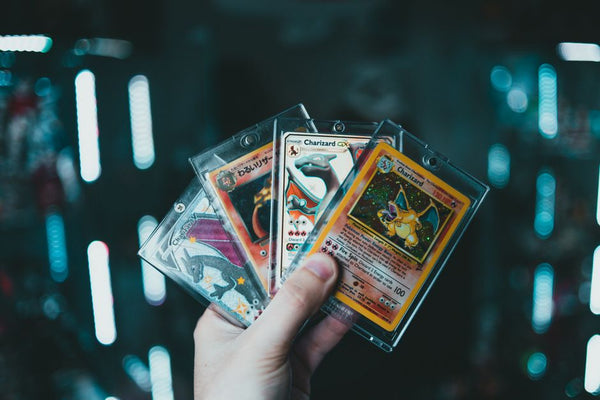
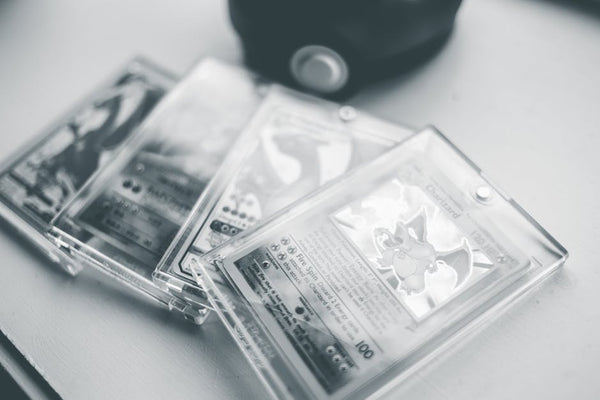
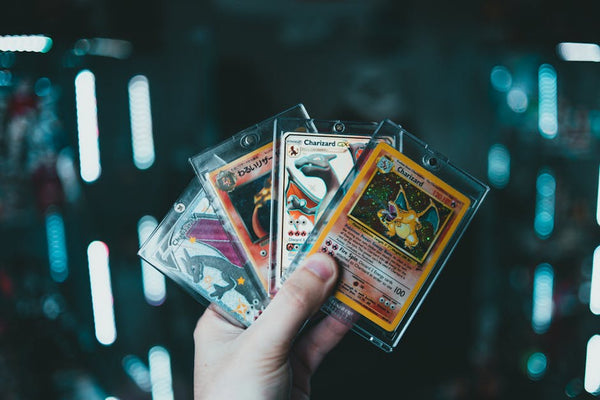
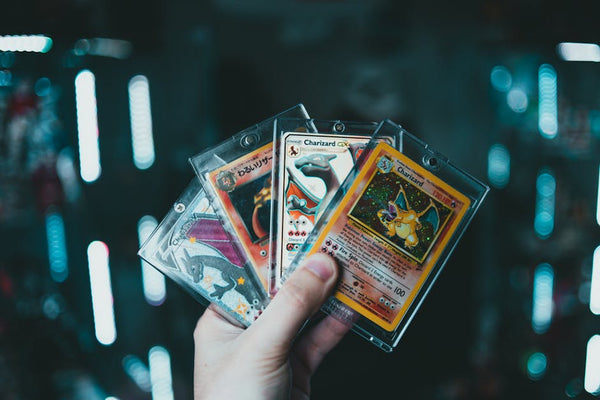
The Pokemon TCG market looks downright reasonable compared to these prices, and that's saying something considering what Charizard cards go for these days.
Sealed Product: Are Booster Boxes Worth It?
Draft boosters are sitting around $180-200 per box right now, which puts them in premium set territory. Set boosters? You're looking at $220-250, assuming you can even find them. Collector boosters are pushing $400+ per box, which is genuinely unhinged pricing.
Here's my brutally honest math on cracking boxes. The expected value on draft boxes is probably around break-even if you hit decent pulls, but that's assuming current inflated prices hold. And let's be real — they won't. The secondary market always corrects, usually harder than you'd expect.
Set boosters give you better odds at the premium variants everyone actually wants, but you're paying a 25% premium for marginally better hit rates. The math doesn't math unless you're specifically hunting foils or alternate arts.
Collector boosters? Look, I get it. The chase is real. But $400 for 12 packs is straight gambling at that point. You might hit a $200 Sephiroth, or you might get $150 worth of cards you don't want. Those aren't odds I'd personally take.
Format Impact and Competitive Value
Now here's where things get interesting from a gameplay perspective. These aren't just expensive collectibles — some of these cards are legitimately powerful in competitive Magic formats.
Cloud's triggered abilities make him a legitimate threat in both Standard and Pioneer. His cost-to-impact ratio is solid, and the protection he offers actually matters against the current removal suite. Terra's versatility makes her a legitimate consideration for midrange strategies.
But here's my hot take: the power level inconsistency is jarring. Some cards feel like they were designed for competitive play, while others are clearly designed for collector appeal. Cid's airship tribal support? Cool flavor, zero competitive relevance. Bahamut? That card could warp entire metas if it finds the right shell.
The legendary rule changes they implemented specifically for this set feel gimmicky too. Yeah, it's flavorful that certain Final Fantasy characters can coexist on the battlefield when they couldn't in normal Magic, but it creates weird edge cases that tournament players are going to have to memorize.
Long-term Investment Perspective
Personally, I think most of these prices are unsustainable. The initial hype is driving FOMO purchases that won't hold value long-term. Remember when Stranger Things Secret Lair cards were hitting $100+ each? Where are they now?
That said, this crossover has staying power that other gimmick releases lack. Final Fantasy has genuine cultural cache that transcends gaming demographics. The art quality is museum-worthy. And unlike some crossovers that feel like obvious cash grabs, this one actually respects both properties.
The cards that'll hold value are the iconic characters with tournament-playable power levels. Cloud, Sephiroth, Terra — these aren't going anywhere. The deep cuts and mechanical oddities? Those'll crater once the novelty wears off.
Who Should Actually Buy This Set?
If you're a Final Fantasy collector with disposable income, this is probably a must-buy despite the inflated prices. The crossover execution is legitimately excellent, and owning premium versions of your favorite characters in Magic form has genuine appeal.
Competitive players should focus on specific singles rather than cracking packs. Identify the cards that actually impact your format, buy those, and ignore the collector hype. Don't let FOMO drive you into bad financial decisions.
Casual players? This is tougher. The power level variance means some cards will dominate casual tables while others are just expensive do-nothings. If your playgroup is cool with crossover cards and you genuinely love Final Fantasy, go for it. But don't feel pressured to keep up with inflated prices.
Investment speculators can honestly get bent. You're driving up prices for actual players and collectors while contributing nothing to the community. Stick to Pokemon if you want pure speculation plays.
The Bottom Line on This Magic Trading Card Game Expansion
Is the Magic: The Gathering Final Fantasy crossover worth buying? That depends entirely on what you're buying it for.
For pure gameplay value, you're probably overpaying by 50-100% right now. Wait six months and pick up singles when the hype dies down. For collecting, the quality is legitimately excellent but you're paying peak prices for peak demand.
The set itself is actually good, which honestly surprised me. Wizards could've phoned this in and still made bank off the crossover appeal. Instead, they created something that works mechanically and honors both franchises aesthetically.
My prediction? Prices drop 30-40% over the next year, premium variants hold most of their value, and the competitively relevant cards settle into reasonable ranges. The art alone ensures this won't be completely forgotten like some crossover sets.
Just don't mortgage your gaming rig to chase cardboard, no matter how pretty Tifa looks in foil. Trust me on that one.
Looking for the right setup? Check out Magic: The Gathering Singles — built right here in Orange, TX.
















Leave a Comment