


Pokemon TCG Investing: Which Cards Actually Hold Their Value?
Look, I'm gonna be real with you. After helping countless customers navigate the Pokemon TCG market over the years, I've seen more people lose money chasing hype than I care to count. Remember when everyone thought Darkness Ablaze cards would be the next big thing? Yeah, most of those "investments" aren't looking so hot right now.
But here's the thing about Pokemon card investing — it's not just about throwing money at shiny cardboard and hoping for the best. There's actual strategy involved, and honestly? The cards that hold value long-term might surprise you.
Why Pokemon Cards Even Hold Value in the First Place
Before we talk specific cards, let's address the elephant in the room. Why do these pieces of cardboard maintain value when so many other collectibles crash and burn? It's not magic, and it's definitely not just nostalgia (though that plays a part).
Pokemon has staying power. The franchise isn't going anywhere, the competitive scene is stronger than ever, and new players are constantly entering the market. Unlike some trading card games that peaked years ago, Pokemon keeps growing its player base.
Personally, I think the key factor people miss is playability. Cards that see tournament play maintain demand beyond just collecting. When a card is meta-relevant, players need multiple copies. That creates consistent demand that pure collectibles don't have.
The Competitive Factor Nobody Talks About
Here's something most "investment guides" won't tell you — competitive viability matters more than art quality for long-term value. I've watched beautiful cards with terrible gameplay mechanics tank in price while boring-looking staples hold steady year after year.
Take Professor's Research from Sword & Shield base set. Not exactly the most exciting artwork, right? But it's been a four-of in virtually every deck since release. That consistent demand keeps prices stable even as supply increases.
The Pokemon TCG Cards That Actually Hold Their Value
Base Set Holos (But Not All of Them)
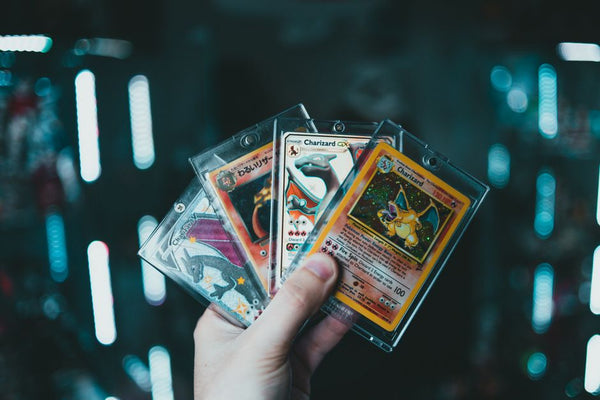
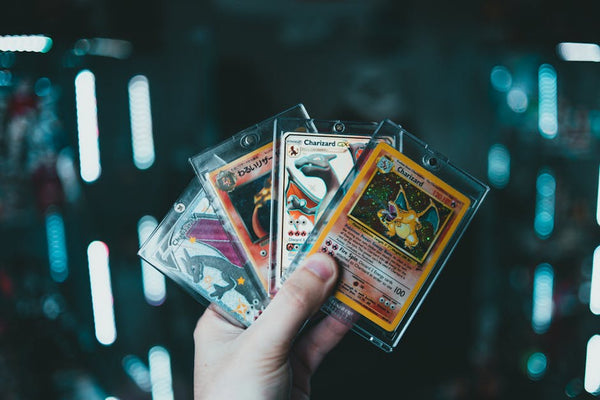
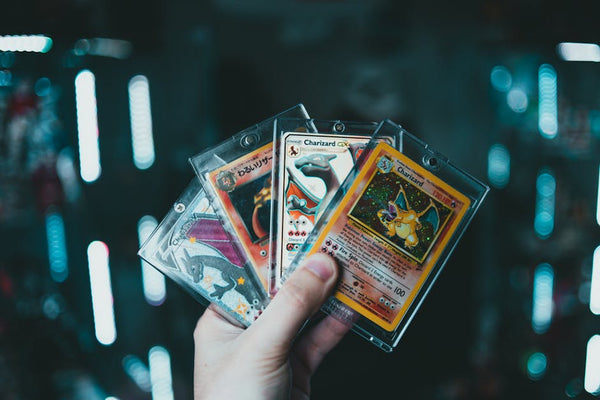
Everyone knows about Base Set Charizard, but let's be honest — at current prices, you're not making money unless you bought in years ago. What about the other holos from that set?
Base Set Blastoise and Venusaur? Solid picks. They're iconic, they're starter Pokemon, and they're not priced at absolutely insane levels like their fire-type friend. A PSA 9 Blastoise will run you around $800-1200 depending on market conditions, which is expensive but not completely unreachable.
But here's my hot take: Base Set Alakazam is criminally undervalued. It's a gorgeous card, Alakazam has a dedicated fanbase, and PSA 9s can still be found under $300. Will it ever reach Charizard levels? Probably not. But for steady appreciation over time? I'm betting yes.
Modern Chase Cards Worth Considering
Let's talk about cards you can actually buy right now without taking out a second mortgage. The Pokemon TCG scene at our shop here in Orange, TX has taught me that modern chase cards follow predictable patterns if you know what to look for.
Alternate art cards from recent sets are where I'd put my money. The Rayquaza alt art from Evolving Skies? That card is stunning, and Rayquaza has staying power as one of the most popular legendaries. Same goes for the Umbreon VMAX alt art — Eevee evolution fans are absolutely rabid collectors.
Why do these work as investments? They're limited in supply (appearing roughly once every 300 packs), they're tournament-legal, and they feature beloved Pokemon with incredible artwork.
Japanese Cards: The Sleeper Market
Okay, this might be controversial, but I think English collectors are sleeping on Japanese cards. The quality control is better, the pull rates are different, and some Japanese exclusives never get English releases.
Japanese Pokemon Center exclusive promos are particularly interesting. Take the Pokemon Center Lady promo from 2020 — it was only available through specific promotions in Japan, features gorgeous artwork, and has seen steady price growth.
The catch? You need to understand the Japanese market, which means doing research beyond just checking eBay sold listings.
Cards That Look Like Investments But Aren't
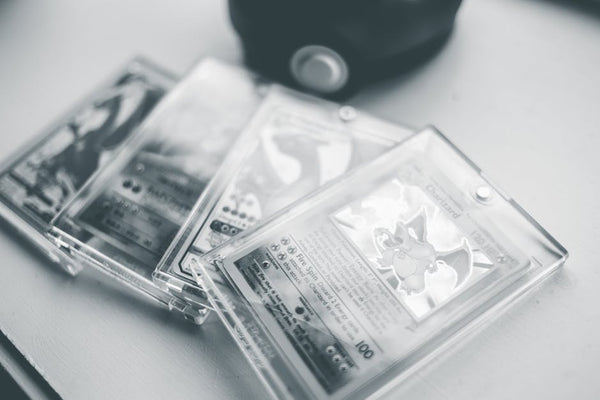
Graded Modern Cards (Most of Them)
Here's where I'm gonna ruffle some feathers. Most graded modern cards aren't good investments unless they're true chase cards or promos. That PSA 10 Pikachu V from Vivid Voltage? Yeah, that's not retiring anyone early.
The grading premium only makes sense when the card is genuinely scarce or has massive nostalgic appeal. Grading a card that had millions of copies printed doesn't create scarcity — it just creates expensive cardboard.
I've watched customers pay $200 for graded cards that sell raw for $20, thinking the plastic slab somehow multiplied the value by 10x. It doesn't work that way.
Sealed Product: Proceed with Caution
Everyone loves the idea of holding sealed boxes and watching them appreciate, but let's talk reality. Most modern sets get printed into the ground. That Brilliant Stars booster box isn't becoming vintage Base Set anytime soon.
The exception? Sets with genuinely limited print runs or special releases. Japanese sets often have more controlled print runs than English sets, making them better candidates for sealed investing.
The Cards I'm Personally Watching
Want to know what's in my own collection? I'm big on earlier Black & White era cards right now. They're old enough to have nostalgia building but not so old that prices are completely unreachable.
Reshiram & Zekrom from Black & White base are criminally undervalued. These were the face cards of their generation, they're gorgeous, and you can still grab PSA 9s for under $100. Compare that to equivalent cards from other generations and tell me that makes sense.
I'm also watching Sun & Moon era alternate arts. That set rotation is far enough back that sealed product is drying up, but recent enough that the cards aren't vintage pricing yet.
The Promo Card Opportunity
Here's something most people ignore: tournament promos and event exclusives. These cards often have tiny print runs compared to set cards, but they fly under the radar because they're not part of the main chase.
World Championship deck cards are particularly interesting. Yeah, they have different backs and aren't tournament legal, but they're the only way to get copies of expensive meta cards for a fraction of the price. As the years pass and those cards become historically significant, I think the World Championship versions could see appreciation.
What Actually Matters for Long-Term Value
After years of watching this market, I've learned that successful Pokemon card investing comes down to three factors: scarcity, playability, and cultural significance.
Scarcity is obvious — fewer copies means higher potential prices. But artificial scarcity through grading doesn't count. We're talking about cards that were genuinely rare from day one.
Playability might seem less important for investing, but it creates baseline demand. Even if collectors lose interest, players still need functional cards.
Cultural significance is the wildcard. Some Pokemon just resonate more than others. Charizard commands premium prices partly because it's culturally iconic beyond just being rare.
The best Pokemon card investments combine all three: they're genuinely scarce, tournament-relevant or historically significant, and feature beloved Pokemon that connect with collectors emotionally.
My Investment Strategy (And Why It Works)
Honestly, my approach is pretty simple. I focus on cards I'd want to own even if they never appreciated in value. That might sound basic, but it's saved me from countless bad purchases.
I buy cards I understand — either because I've seen their competitive history or because I know the Pokemon has lasting appeal. I avoid chasing hype and I never buy based solely on what some YouTuber said was "going to the moon."
Most importantly? I treat Pokemon cards as a passion first and an investment second. The day I start viewing every card purely as a financial instrument is the day I'll probably start making worse decisions.
The Pokemon TCG market isn't going anywhere, but it rewards patience and research over speculation and FOMO. Whether you're buying your first investment card or building a serious collection, remember that the best gains often come from the cards everyone else is overlooking.
Looking for the right setup? Check out Pokemon TCG at TieredUp Tech — built right here in Orange, TX.










Leave a Comment