


Magic: The Gathering Final Fantasy Crossover — Is It Worth Your Hard-Earned Cash?
Look, I've seen some wild crossovers in my time. Marvel Secret Lair drops that made zero sense. Transformers cards that honestly slapped harder than they had any right to. But when Wizards announced the MTG Final Fantasy collaboration, my first thought wasn't excitement — it was concern. Are we getting genuine Magic: The Gathering content, or just expensive nostalgia bait wrapped in cardboard?
After cracking boxes, playtesting, and watching the secondary market for months, I'm ready to give you the straight answer. No BS marketing speak.
What Actually Comes in These Final Fantasy Magic Packs
The Final Fantasy Universes Beyond set isn't your typical trading card game release. We're talking about mechanically unique cards featuring Cloud, Sephiroth, Terra, and basically every FF protagonist that made you cry during their respective games.
Each booster contains 15 cards with honestly solid pull rates. The mythic rare distribution sits around 1 in 7.4 packs, which beats the hell out of Pokemon TCG's current nightmare ratios. You're getting alternate art treatments, showcase frames, and foil variants that actually look premium — not like they were printed on a home inkjet.
Here's the thing though. These aren't reprints of existing Magic cards with new art. Every single card is mechanically unique. That means if you want to play with Cloud Strife in your Commander deck, you HAVE to buy these specific packs. You can't just proxy or find alternatives.
The Money Cards Everyone's Chasing
Sephiroth is the chase mythic, currently sitting around $45-50 on the secondary market. Not terrible for a crossover mythic, tbh. Cloud's hanging around $25-30, which feels reasonable for what's essentially a 5/5 with pseudo-vigilance and artifact synergy.
But here's where it gets spicy — the borderless showcase treatments are where the real money lives. Borderless Sephiroth peaked at $120 before settling around $80. That's entering Modern staple territory for a novelty card.
Personally, I think the pricing reflects genuine playability rather than pure speculation. These aren't just pretty faces on cardboard.
Do These Cards Actually Play Well in Magic?
This is where I expected to roast Wizards for lazy design. Crossover products usually feel like afterthoughts — cool art stapled to generic effects.
I was wrong. Dead wrong.
The Final Fantasy cards integrate surprisingly well with existing Magic mechanics. Cloud synergizes beautifully with artifact decks. Terra brings legitimate Planeswalker support. Even the lower-rarity characters like Vivi and Garnet have found homes in various Commander builds.
I've been helping customers at our shop here in Orange, TX build decks around these cards, and they're not just kitchen table fun. Several have legitimate competitive potential. Cloud sees fringe play in Pioneer artifact decks. Sephiroth is a house in casual Commander.
The question isn't whether these cards are playable — it's whether you want to pay premium prices for cards you can't get anywhere else.
Commander Impact vs Competitive Formats
Commander is where these cards truly shine. The singleton format loves unique effects, and Final Fantasy delivers exactly that. You're not trying to build around four copies of Cloud — you want one copy doing something interesting.
In competitive formats? It's more complicated. A few cards have found niche applications, but don't expect any format-warping bombs. These aren't fetches or Lightning Bolts.
Comparing Value Against Other Crossover Products
Let's get real about pricing. A booster box runs around $144-160, depending on where you shop. That puts individual packs at $4-4.50, which matches standard Magic booster pricing.
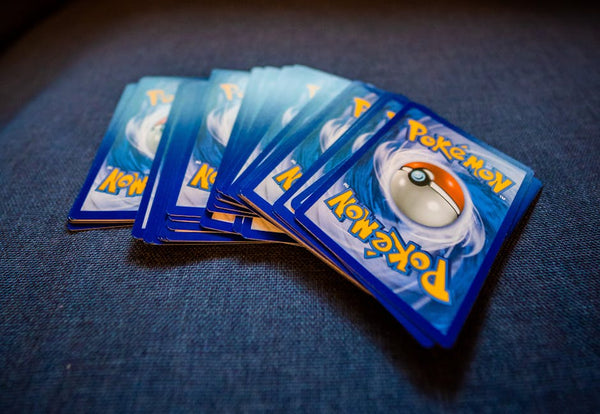
Compare that to Pokemon TCG, where you're paying $4+ for packs with genuinely awful value propositions in most sets. Or Yu-Gi-Oh, where chase cards regularly hit $100+ and rotate out of relevance within months.
The Final Fantasy Magic crossover feels more honest about its value proposition. You're paying Magic prices for Magic-quality cards that happen to feature Final Fantasy characters.
Secondary Market Reality Check
Here's something most reviews won't tell you — the singles market for these cards is actually pretty reasonable. You can pick up most playables for $5-15 each. The expensive stuff is expensive because it's genuinely desirable, not because of artificial scarcity.
Hot take: buying singles makes way more sense than cracking packs for this set. Unless you genuinely enjoy opening boosters (which, fair), just grab the specific cards you want.
Who Should Actually Buy This Product
If you're a Final Fantasy fan who already plays Magic, this is a no-brainer. The cards are solid, the art is gorgeous, and they'll hold value better than most crossover products.
If you're a Magic player with zero Final Fantasy nostalgia? Still worth considering. These aren't just pretty faces — they're legitimate game pieces.
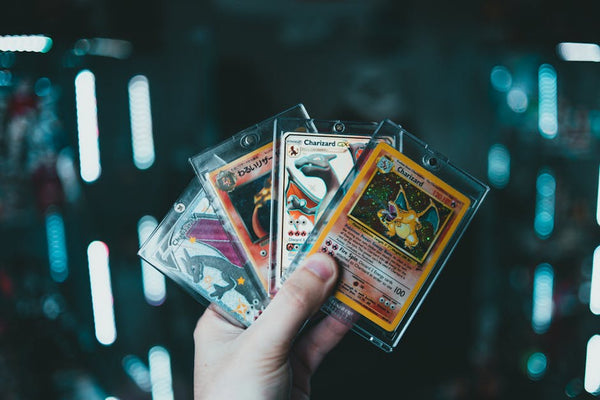
If you're hoping to flip boxes for profit? Nah, bro. The market's already settled into reasonable territory. You're not finding the next Pokémon Base Set here.
New players looking to get into Magic? Honestly, start elsewhere. These cards are cool, but you need to understand Magic's fundamentals before diving into crossover products.
The Collector Angle
For collectors, this set hits different than most crossover attempts. The showcase treatments genuinely look premium. The regular card frames integrate FF characters into Magic's visual identity without feeling forced.
Will these hold long-term value? That's the million-gil question. Magic crossover products have a mixed track record, but Final Fantasy has serious staying power as an IP.
My Final Verdict on MTG Final Fantasy
After months of testing, trading, and watching the market, I'm genuinely impressed. This isn't cynical cash-grab territory — it's a crossover that respects both properties.
The cards play well. The art is fantastic. The pricing feels fair for what you're getting. Most importantly, these feel like Magic cards that happen to feature Final Fantasy characters, not Final Fantasy cards forced into Magic's rules system.
Should you buy in? If you're already invested in either franchise, absolutely. If you're on the fence, grab a few singles and test the waters. Don't feel pressured to buy boxes unless you genuinely enjoy the pack-opening experience.
The crossover succeeds because it doesn't try to be everything to everyone. It's quality Magic cards for people who appreciate quality crossovers. In 2024's landscape of rushed collaborations and shameless cash grabs, that's honestly refreshing as hell.
Looking for the right setup? Check out Magic: The Gathering Singles — built right here in Orange, TX.



















Leave a Comment