


Pokemon TCG Investing: Which Cards Actually Hold Their Value?
Pokemon card investing has turned into the RTX 4090 of the trading card game world — everyone wants in, but most people don't know what they're actually buying. Just like how you wouldn't drop $1,600 on a graphics card without checking benchmarks, you shouldn't throw money at Pokemon cards without understanding what drives their value.
Real talk? The Pokemon TCG market is absolutely wild right now. Cards that sold for $50 two years ago are hitting four figures. But here's the thing — not every shiny piece of cardboard is going to fund your next gaming rig.
The Gold Standard: Base Set Shadowless Cards
If Pokemon cards had a Steam sale, Base Set Shadowless would never go on discount. These are your flagship cards, the equivalent of owning first-edition hardware that somehow gets more valuable over time.
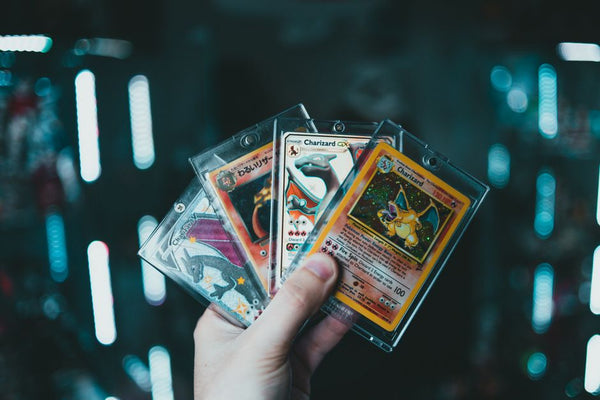
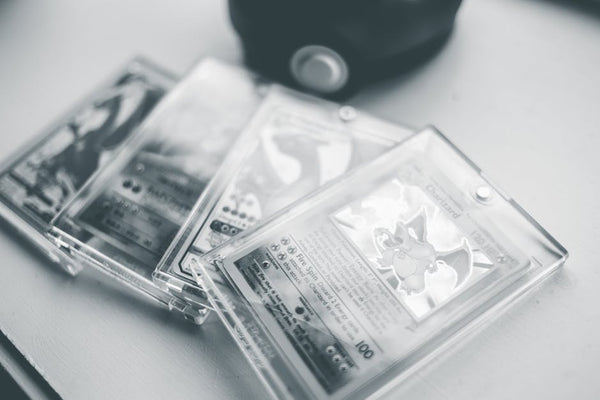
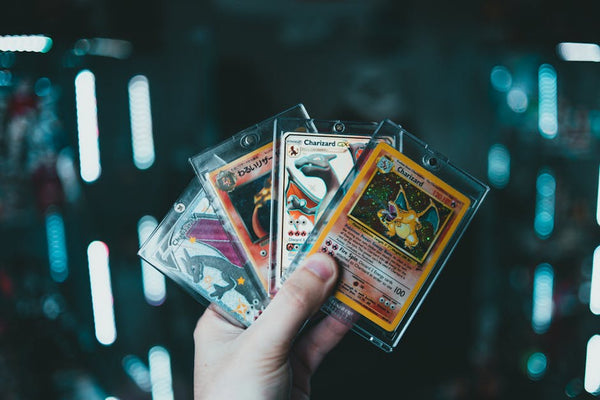
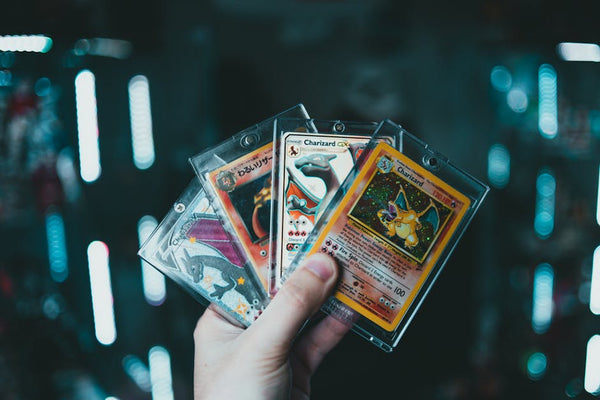
Charizard leads the pack, obviously. A PSA 10 Shadowless Charizard sold for $350,000 in 2022. That's more than a fully loaded Alienware setup with every possible upgrade. But don't sleep on the other starters — Blastoise and Venusaur in pristine condition regularly hit five figures.
The entire Shadowless set holds value because of scarcity and nostalgia. These cards represent Pokemon's entrance into Western markets. Think of them like the original PlayStation — historically significant and increasingly rare in good condition.
Hot take: Even the "lesser" Base Set cards are solid investments. A PSA 9 Machamp might not buy you a house, but it'll consistently outperform most stocks. The key is condition. Anything below PSA 8 for these vintage cards is honestly just expensive nostalgia.
Modern Powerhouses: Where Pokemon TCG Meets Current Tech
Modern Pokemon cards work differently than vintage ones. Instead of across-the-board appreciation, specific cards absolutely explode while others become bulk bin fodder.
Japanese Exclusives and Promotional Cards
Japanese Pokemon cards are like importing components before they hit US markets — you pay premium pricing, but you get access to stuff that might never release here. The Japanese Pikachu Illustrator card sold for $5.275 million. No, that's not a typo.
More realistic targets? Japanese gym promo cards from the late '90s consistently appreciate. The Neo Genesis Lugia in Japanese frequently sells for 2-3x its English counterpart. Language matters in Pokemon investing, sometimes more than condition.
Tournament Prize Cards and Staff Promos
These cards function like exclusive gaming hardware given to developers or tournament winners. Limited distribution creates instant scarcity. World Championship prize cards from any year are basically guaranteed value holders.
Staff tournament promos might seem random, but they're incredibly limited. A 2005 Staff Regionals Pikachu in PSA 10 condition easily hits $1,000+. The distribution numbers are lower than most GPU production runs.
The Modern Investment Landscape
Current Pokemon TCG products are trickier to evaluate. It's like trying to predict which current graphics card will be considered legendary in 20 years. Some patterns exist though.
Alternate art cards from recent sets absolutely hold value. The Rayquaza VMax alt art from Evolving Skies maintains a $200+ price point even months after release. These cards combine modern printing quality with genuinely stunning artwork.
Personally, I think the Japanese 25th Anniversary Classic Collection is criminally undervalued. Working at our shop in Orange, TX, I've seen how quickly these boxes disappeared and how little English product we received comparatively. The Charizard from this set isn't Base Set money, but it's consistent.
What Actually Drives Pokemon Card Values?
Pokemon card values follow similar patterns to tech component pricing, but with emotional multipliers. Scarcity drives baseline value, but nostalgia and cultural significance create the premium.
Generation 1 Pokemon will always command higher prices than later generations. Charizard, Pikachu, and the original starters have mainstream recognition beyond the Pokemon TCG community. A casual collector might recognize Charizard, but they probably can't identify Garchomp.
Condition matters exponentially more in cards than PC components. A slightly scratched RTX 4080 still runs games at 4K. A slightly played Charizard loses 70% of its value. PSA grading isn't optional for serious investment cards — it's mandatory.
Red Flags and Overhyped Cards
Not everything climbing in price deserves your money. Some Pokemon TCG investing advice is straight-up terrible.
Logan Paul's influence on card prices was honestly cringe. Celebrity endorsements created artificial price spikes that corrected hard. Base Set booster boxes hit $400,000 at peak hype. They're back down to $50,000-80,000 now, which is still insane but shows how volatile this market gets.
Modern mass-produced cards face the Funko Pop problem. Brilliant Stars, Astral Radiance, Lost Origin — these sets had enormous print runs. Unless you're targeting specific chase cards, boxes of modern product aren't great long-term holds.
Why does everyone think sealed product automatically appreciates? Pokemon Company prints to demand now. The scarcity that made vintage boxes valuable doesn't exist for current releases.
International Differences Matter
English vs. Japanese pricing creates interesting opportunities. Japanese cards typically cost more initially but appreciate more consistently. English cards have broader appeal but larger supply.
European cards occupy a weird middle ground. Limited English distribution in certain regions creates pockets of scarcity, but the market is smaller than US/Japan.
Building a Pokemon Investment Strategy
Diversification works for Pokemon cards just like investment portfolios. Don't put everything into one card or era.
Honestly, treating Pokemon cards like tech upgrades makes sense. Budget a specific amount annually for card investments instead of impulse buying every shiny thing that appears on eBay.
Focus on cards you actually enjoy owning. If the market crashes tomorrow, you're still holding something that makes you happy. This isn't just about money — it's about being part of a community that spans decades.
The Pokemon TCG at TieredUp Tech moves constantly, but certain cards always generate interest. Customers consistently ask about Base Set cards, Japanese promos, and graded modern hits. Market demand tells you what's actually worth holding.
Storage and protection cost money too. Factor in PSA grading fees ($20-100+ per card depending on service level), proper storage supplies, and insurance if you're holding serious value.
The Reality Check
Pokemon card investing isn't a get-rich-quick scheme. Most cards lose value or stay flat. The ones that explode get all the attention, but they're statistical outliers.
Treat Pokemon investing like enthusiast computing. Buy quality, research thoroughly, and prepare for long holds. Quick flips rarely work unless you've got inside information or incredible luck.
The Pokemon TCG market will probably exist in 20 years. Whether specific cards maintain current pricing is anyone's guess. But betting on nostalgia and limited supply has historically worked out pretty well for patient investors.
Cards that survived 25+ years in good condition aren't getting more common. Meanwhile, kids who grew up with Pokemon are now adults with disposable income. That's not a bad foundation for long-term value retention.










Leave a Comment