


Pokemon TCG Investing: Which Cards Actually Hold Their Value Long-Term?
Let's be real about Pokemon TCG investing for a hot minute. After watching countless customers at TieredUp Tech blow their rent money on sealed product hoping to pull that one chase card, I've got some thoughts. The trading card game market isn't just about luck anymore — it's become this weird hybrid of nostalgia, speculation, and actual gameplay demand that'd make Wall Street traders jealous.
But here's the thing nobody wants to admit: most cards are absolute trash investments.
I know, I know. That hurts to hear when you're staring at your collection wondering if those Brilliant Stars packs were worth skipping dinner. Trust me, I've been there. But after helping folks navigate this market for years, I can tell you which Pokemon cards actually hold their value and which ones are destined for the dollar bin.
The Pokemon TCG Market Reality Check
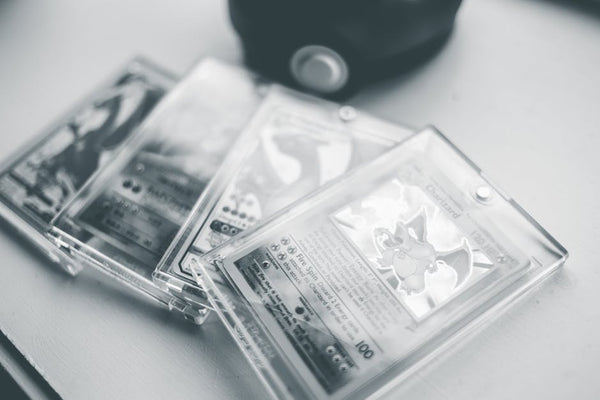
Remember when everyone thought NFTs were the future? Yeah, the card investing bubble had some serious similarities. Pandemic money plus nostalgia plus FOMO equals people paying $6,000 for a PSA 10 Base Set Charizard that's now sitting at half that price.
Here's what actually drives long-term value in the Pokemon TCG world:
Scarcity that matters. Not artificial scarcity from print runs, but cards that are genuinely hard to find in good condition. Base Set Unlimited commons? There are millions. Shadowless Base Set holos? That's a different story entirely.
Competitive playability keeps cards relevant beyond nostalgia. When Professor's Research rotates out of Standard, watch its price tank overnight. But cards that define eternal formats? Those stick around.
Cultural significance beats pretty art every single time. Why do you think Pikachu cards consistently outperform objectively rarer Pokemon? Because everyone knows Pikachu, even your mom who thinks Pokemon is "still a thing?"
The Charizard Problem
Look, I get it. Charizard is cool. Fire dragon go brr. But can we talk about how oversaturated this market has become?
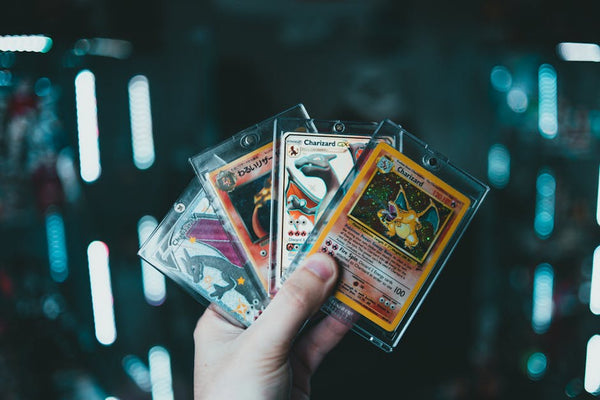
Every single modern set seems to have three different Charizard variants, each with alternate art, rainbow rare, and secret rare versions. When there are literally dozens of "rare" Charizard cards released every year, how rare are they really?
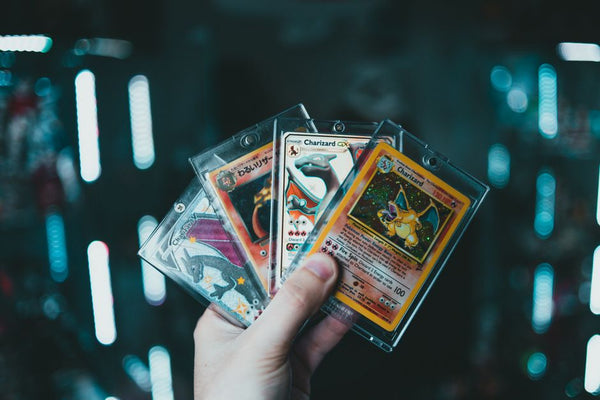
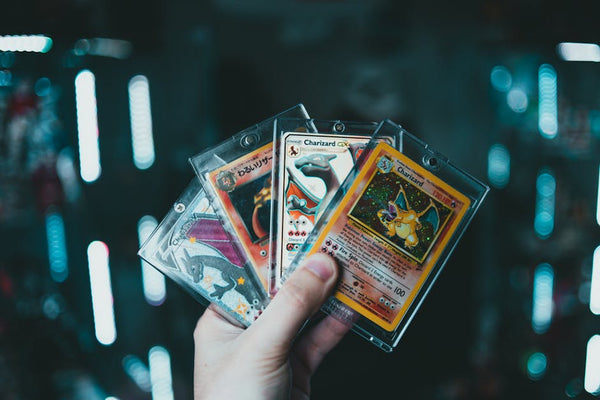
Personally, I think the Charizard bubble already popped and most people just haven't noticed yet. The Base Set holo will always have value because of its iconic status, but that $300 Vivid Voltage Charizard VMAX? Good luck with that one.
Cards That Actually Hold Value Long-Term
Vintage Sets (1998-2003)
Base Set Shadowless remains the gold standard, but you already knew that. What you might not know is that Japanese Base Set cards often trade for less money despite being the original versions — weird market inefficiency that savvy collectors exploit.
Neo Genesis first editions are criminally undervalued right now. Lugia, the legendary birds, even the starters hold steady prices because that set defined competitive play for years. Plus, the artwork hits different when you compare it to modern CGI-looking cards.
Fossil and Jungle holos get overlooked constantly. Aerodactyl, Vileplume, Victreebel — these aren't chase cards, but they're solid investments because supply keeps shrinking while demand stays consistent.
Tournament Prize Cards
This is where things get spicy. Trophy Pikachu cards from early tournaments routinely sell for five figures because there are literally dozens of copies in existence. I helped a customer research one last year — a 1998 Trophy Pikachu No. 2 sold for $128,000 in 2021.
But here's the catch: authentication is everything with these cards. The counterfeit market for prize cards is absolutely wild, and unless you're working with PSA or BGS, you're basically gambling.
Japanese Exclusive Releases
Hot take: Japanese promotional cards are the most undervalued segment of the entire Pokemon TCG market right now.
Cards like the Coro Coro Mew promo or the Mario Pikachu collaboration cards have tiny print runs but trade for fraction of what comparable English cards cost. Why? Because Western collectors don't understand the Japanese market dynamics.
The Pokemon Center exclusive sets in Japan often have better artwork and lower print runs than anything we see in English. That Kanazawa Pikachu promo from 2018? Try finding one in decent condition for under $200.
Modern Cards Worth Watching
Don't write off everything printed after 2020. Some modern Pokemon TCG releases have legitimate investment potential if you know what to look for.
Alternate art cards from recent sets hold value way better than their rainbow rare counterparts. The Umbreon VMAX alt art from Evolving Skies consistently trades for $200+ because the artwork is genuinely stunning and it sees competitive play.
Full art trainers are interesting plays. Professor's Research full art, Marnie full art — these cards combine competitive necessity with aesthetic appeal. They're not going to make you rich, but they'll hold value better than 99% of modern pulls.
The Character Rare Experiment
Japanese Character Rares from recent sets are fascinating case studies. These cards feature Pokemon with their trainers in beautiful illustrations that appeal to both TCG players and anime fans.
Are they overpriced right now? Probably. But will they maintain some premium over regular cards long-term? I'd bet on it, especially for popular characters like Cynthia or N.
Red Flags and Value Traps
If someone's pushing "investment grade" modern sealed product, run. Sealed booster boxes aren't stocks, and Pokemon prints to demand for current sets. That Fusion Strike case isn't going to fund your retirement.
Grading fees eat profits faster than you'd think. A $50 card becomes a $80 investment after grading and shipping. Unless you're confident it'll grade PSA 9 or 10 and double in value, raw cards often make more sense.
Population reports lie sometimes. Just because PSA shows low numbers doesn't mean the card is actually rare — it might mean nobody bothered grading commons.
The Influencer Effect
YouTube and TikTok Pokemon content creators can move markets overnight. Remember when everyone went crazy for Hidden Fates because streamers kept opening cases? Those prices crashed hard once the hype died down.
Follow the fundamentals, not the trends. If you're buying because Logan Paul mentioned a card, you're already too late.
Building a Smart Collection Strategy
Here's my honest advice after years of watching people make expensive mistakes: treat Pokemon TCG investing like you would any other collectible market, not like crypto.
Focus on condition over everything else. A PSA 8 vintage card often beats a PSA 10 modern card for long-term appreciation. Collectors care more about rarity and condition than perfect centering on cards that exist in huge quantities.
Diversify beyond just English cards. The Japanese market offers better entry points for many vintage cards, and European cards sometimes have interesting variations that trade for premiums.
Actually play the game sometimes. Understanding competitive formats helps you predict which cards will maintain demand beyond speculation. When I see a card dominating tournament results, that's usually a better signal than any price guide.
Set realistic expectations too. Pokemon cards aren't going to outperform index funds over decades. But if you're smart about vintage condition rarities and avoid modern hype cycles, you can probably beat inflation while having fun with a hobby.
The market's cooling off from pandemic peaks, which honestly makes this a more interesting time to buy than 2021. Sellers are more motivated, and you're not competing with stimulus check money for every decent card.
Whether you're hunting for that Base Set Charizard or considering some Japanese promos, the fundamentals haven't changed: rarity, condition, and cultural significance drive long-term value. Everything else is just noise and speculation that'll separate you from your money faster than a rigged pack opening stream.
Looking for the right setup? Check out Pokemon TCG at TieredUp Tech — built right here in Orange, TX.








Leave a Comment