


Magic: The Gathering Final Fantasy Crossover — Is It Worth Your Hard-Earned Gil?
Okay, let's get real about this MTG Final Fantasy situation. When Wizards announced they'd be crossing over with Square Enix, my initial reaction was somewhere between "holy crap" and "please don't mess this up." As someone who's spent countless hours grinding both Lightning in FFXIII and Lightning Bolt in Standard, I had some serious feelings about this mashup.
The MTG Final Fantasy crossover dropped harder than a surprise Omnath ban announcement. But here's the million-gil question — is it actually worth dropping your paycheck on these cards?
What You're Actually Getting (And What You're Not)
First off, let's talk mechanics. These aren't just pretty pictures slapped onto existing cards — though honestly, that Cloud artwork is lowkey fire. The crossover introduces new planeswalker cards featuring iconic Final Fantasy protagonists like Terra, Lightning, and yes, our spiky-haired boy Cloud himself.
Think of it like buying a high-end graphics card versus a budget option. Sure, both will run your games, but one's going to make everything look absolutely gorgeous while potentially giving you competitive advantages. These Final Fantasy cards? They're definitely in the premium category.
The power level sits somewhere between "playable in Commander" and "might see Standard play if the meta shifts." Not exactly Oko-level busted, but not bulk rare territory either. Terra's planeswalker card, for example, has some solid removal and card draw that reminds me of a balanced version of what we've seen before — think Chandra, Torch of Defiance but with more reasonable loyalty costs.
Current Market Prices (And Why They Matter)
Here's where things get spicy. As of writing this, sealed Final Fantasy booster boxes are running about $180-220, depending on where you shop. Singles prices? Well, that's been more volatile than crypto during a bear market.
Lightning is sitting pretty at around $35-45, while Cloud's commanding $50-60 for his mythic rare version. Compare that to recent Standard staples — you're looking at Sheoldred, the Apocalypse money, maybe slightly less. Not exactly budget-friendly, but also not Black Lotus territory.
Personally, I think these prices are inflated by initial hype and collector demand. Give it three months, and I'd bet we see a 20-30% drop unless competitive play really embraces these cards.
The Collector's Perspective vs. The Player's Angle
Look, if you're a Final Fantasy superfan who's been waiting since VII came out in 1997 for this moment? Buy the cards. Seriously. The artwork alone justifies the purchase — it's like getting premium alt-art treatments but with characters you actually care about instead of random fantasy warrior #847.
But if you're purely focused on competitive Magic? That's where things get murky.
I was talking to a customer at our shop here in Orange, TX last week who dropped $300 on a full playset of the mythic rares. When I asked why, his answer was simple: "Dude, it's Cloud Strife in Magic. I don't care if he's playable or not."
Fair point, honestly.
Tournament Viability — The Real Talk
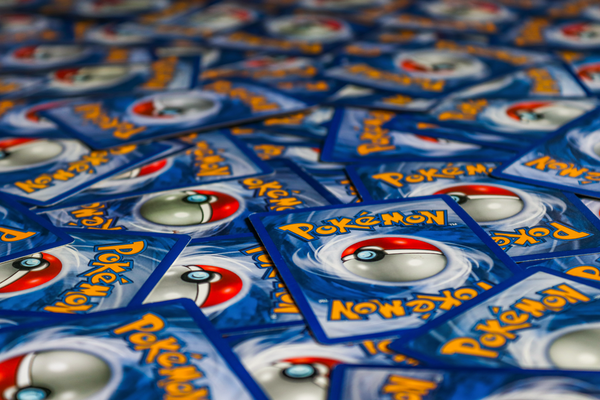
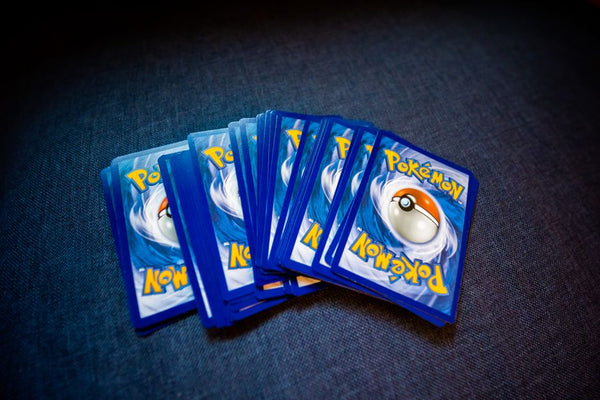
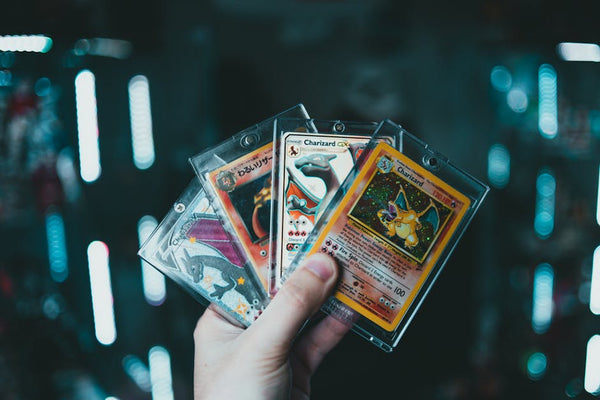
Hot take: most of these cards won't dominate competitive formats. They're designed to be cool and playable, not format-warping haymakers. Think Pokemon TCG promotional cards — gorgeous, collectible, occasionally useful, but rarely meta-defining.
Terra shows promise in specific builds. Lightning might find a home in aggressive strategies. Cloud? He's more of a Commander all-star than a Standard powerhouse. The supporting cast fills out nicely for casual formats but won't be winning any Pro Tours.
Here's what I'm watching though — the eternal formats. Some of these effects translate weirdly well to Legacy sideboards, and I wouldn't be shocked if one random Final Fantasy card becomes a niche player in that format. Remember when Narset, Parter of Veils came out of nowhere to reshape entire metas?
Investment Strategy — Playing the Long Game
Treating these cards like PC components makes sense. You wouldn't buy a $400 graphics card just because it's new and shiny — you'd research benchmarks, check reviews, and consider your actual needs.
Same logic applies here. Are you buying because:
- You genuinely love Final Fantasy and want cool game pieces?
- You think they'll hold value long-term?
- You plan to actually play with them?
If it's option one, go nuts. Option three? Maybe wait for prices to settle. Option two? Well, that's where things get interesting.
Crossover products have a weird history in trading card games. Some become iconic and maintain value (looking at you, Secret Lair drops). Others tank hard once the novelty wears off. The Final Fantasy brand has serious staying power — we're talking about franchises that've been cultural touchstones for decades.
The Singles Market Reality Check
If you want specific cards for your decks, buying Magic: The Gathering Singles beats cracking packs every time. Basic math, people. You want Lightning for your aggressive deck? Buy the single for $40 instead of gambling $100+ on booster packs hoping to hit her.
Exception: if you're planning to draft these sets or you genuinely enjoy the pack-opening experience. There's value in fun, even if it doesn't make financial sense.
Where This Crossover Wins (And Where It Doesn't)
The artwork absolutely slaps. No debate there. Seeing Amano-style illustrations on Magic cards feels surreal in the best way possible. It's like when NVIDIA finally nailed ray tracing — you knew it was coming, but seeing it in action still hits different.
The flavor integration works better than expected too. These don't feel like random characters wearing Magic costumes. The abilities connect to their source material in meaningful ways.
Where it stumbles? Price accessibility and power level balance. New players looking to get into Magic aren't going to start with $40 planeswalkers. Established players might feel priced out of what should be fun, casual cards.
Also, honestly? Some of the non-planeswalker cards feel a bit mid. Not every character needed a Magic version, and it shows in the filler cards that round out the set.
My Final Verdict (No Pun Intended)
Should you buy MTG Final Fantasy cards? Depends entirely on what you value.
For collectors and Final Fantasy fans — absolutely yes. You'll kick yourself later if you skip this and prices explode. For competitive players focused purely on winning — probably wait and see what actually makes waves in tournaments.
For everyone else? Maybe grab one or two cards that speak to you personally. Don't feel pressured to buy everything just because it exists.
The real test comes six months from now. Will these cards still feel special when the hype dies down? Will competitive play embrace them? Will casual players actually sleeve them up for weekly Commander nights?
My gut says this crossover succeeds where it matters most — making Magic feel fresh and exciting again. Whether that translates to long-term value? We'll find out together. But ngl, watching someone ultimate Cloud Strife to win a game is going to be pretty sick regardless of the price tag.

















Leave a Comment