


Pokemon TCG Investing: Which Cards Hold Their Value Long-Term?
Pokemon TCG investing isn't just collecting pretty cards anymore. We're talking serious money here – cards that'll make your portfolio pop off harder than a perfect headshot in Valorant. The trading card game market has absolutely exploded, and knowing which Pokemon cards actually hold value versus the ones that'll tank faster than your MMR after a bad losing streak? That's the real game.
Look, I've seen too many people get rekt buying cards based on hype alone. It's like chasing the meta in League without understanding why those champions are strong. You need the fundamentals first.
Base Set Cards: The Blue Chips of Pokemon TCG
Base Set Charizard. Period.
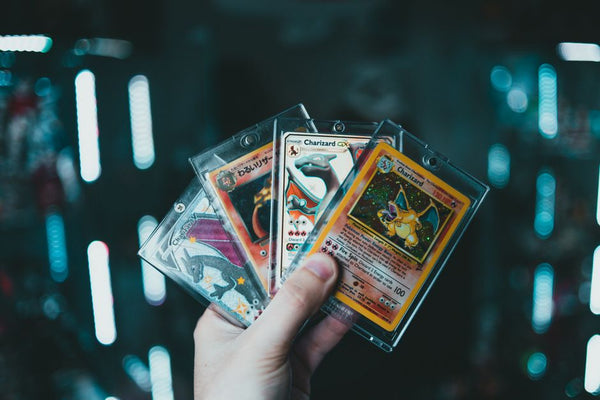
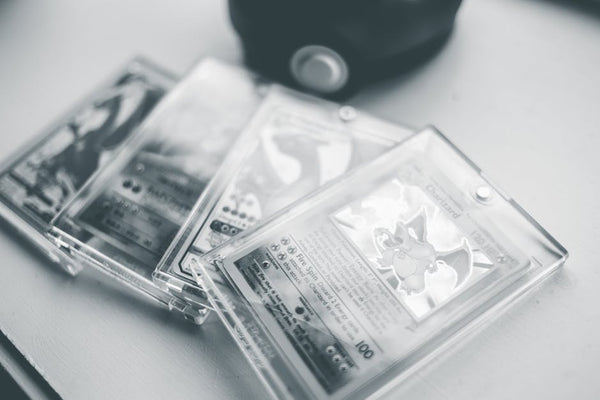
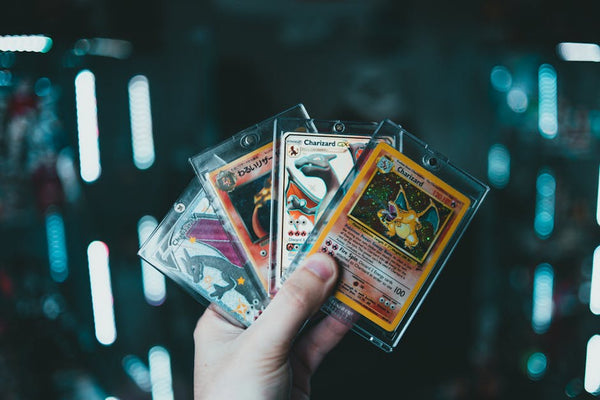
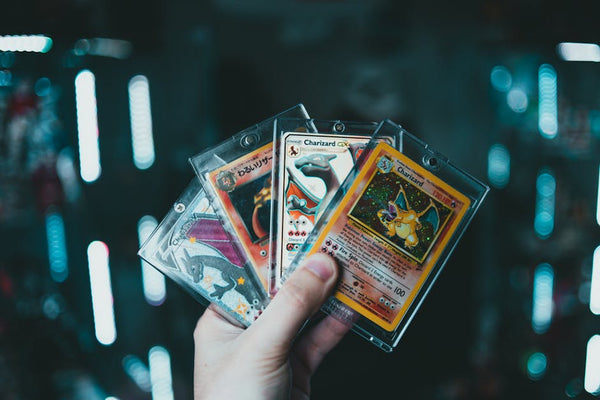
This isn't some hot take – it's just facts. The 1998 Base Set Charizard consistently holds value because it's the poster child of Pokemon nostalgia. A PSA 10 goes for $300K+, but even damaged copies sell for hundreds. Why? Brand recognition hits different when you're dealing with the face of the franchise.
But Charizard isn't alone in the Base Set hall of fame. Blastoise and Venusaur maintain solid floors too, though they're not touching Charizard numbers. The entire Base Set shadowless collection performs well because it represents Pokemon's origin story. Think of it like owning the first edition of a classic game – that historical significance doesn't fade.
Honestly, Base Set cards are like buying blue chip stocks. They're not gonna 10x overnight, but they're not crashing to zero either. The floor stays relatively stable because the nostalgia factor keeps demand consistent across generations.
Japanese vs English: The Language Barrier That Matters
Here's where things get spicy. Japanese cards often outperform their English counterparts, and it's not even close sometimes. The Japanese Pokemon Base Set came out earlier, had smaller print runs, and Japanese card quality was generally superior back in the day.
Take the Japanese Base Set No Rarity Charizard. This thing commands premium prices because it's technically the first Charizard ever printed. Collectors know this, and they pay accordingly. Meanwhile, unlimited English Base Set cards? They're decent investments but nowhere near their Japanese siblings.
The quality difference matters too. Japanese cards from the late 90s and early 2000s tend to grade higher because their printing and cutting standards were more consistent. Better grades equal better returns – it's that simple.
Modern Japanese Sets Worth Watching
Don't sleep on modern Japanese exclusive sets. Cards like the Pokemon Center Lady promo or special anniversary sets often stay Japan-only, creating artificial scarcity in Western markets. That scarcity premium can be massive if the card gains traction.
The Grading Game: PSA vs BGS Showdown
Grading completely changes the investment equation. Raw cards are like playing ranked without a headset – you're missing crucial information. But here's the thing: not every card deserves the grading treatment.
PSA dominates Pokemon card grading, and their 10s command the highest premiums. BGS can sometimes edge out PSA on ultra-premium cards with their Black Label system, but PSA's market share means better liquidity when you're ready to sell. It's like choosing between Counter-Strike and Valorant – both are solid, but one has the bigger player base.
The math on grading fees versus potential returns gets tricky though. Spending $50 to grade a card worth $100 raw doesn't make sense unless you're confident it'll hit that PSA 9 or 10. I've seen people grade everything and wonder why their returns are garbage. Grade smart, not everything.
Working at TieredUp Tech in Orange, TX, I've watched customers debate grading decisions constantly. The ones who do their homework on population reports and historical grades? They usually make better calls.
Modern Sets: Separating Hype from Reality
Modern Pokemon TCG sets are where things get sketchy for long-term investing. Print runs are massive compared to vintage stuff, which kills scarcity. But some cards still perform because they're just that good.
Alternate art cards from recent sets hold value surprisingly well. The Pokemon Celebrations 25th anniversary Charizard? Still solid. Special delivery Bidoof? Lowkey became a meme investment that actually paid off. Sometimes the market makes zero sense, but you roll with it.
Hot take: Most modern Pokemon cards are terrible long-term investments unless they're genuinely special. We're talking chase cards, alternate arts, or cards with actual competitive play value. The days of every holo being worth money are over because supply is too high.
Competitive Play Impact
Here's something casual investors miss – competitive viability affects prices. Cards that dominate tournaments see price spikes during their meta reign. Sure, they usually crash when rotation hits, but timing those cycles can be profitable short-term.
Professor's Research, for example, maintains value because it's a staple across multiple formats. Utility cards with staying power beat flashy Pokemon that rotate out. It's basic supply and demand, but applied to card game mechanics.
Promo Cards: The Sleeper Picks
Promo cards are where smart money often goes. Limited distribution creates natural scarcity, and some promos become way more valuable than cards from their base sets.
The Pokemon distributor promos from the late 90s? Absolutely cracked in terms of value retention. Pikachu Illustrator is the holy grail, but even "lesser" promos like Trophy Pikachu cards command serious money. These had tiny distribution numbers, and that scarcity ages like fine wine.
Modern promos can work too, but you need to be selective. McDonald's promos? Usually garbage because distribution was huge. Pokemon Center exclusive promos? Much better bet due to limited availability and collector focus.
Personally, I think promo card investing requires the most research, but the payoffs can be insane when you hit right. It's like finding that one broken strat before everyone else catches on.
International Variations: Beyond English and Japanese
Don't ignore other language variants completely. German first edition Base Set cards perform well in European markets. Korean cards have their own collector base that's growing. The key is understanding regional demand patterns.
But honestly? Unless you really know these markets, stick to English and Japanese cards. Those have the broadest appeal and most liquid markets when you need to sell.
What Makes Cards Tank
Let's talk about what kills card values, because avoiding losses matters as much as picking winners. Reprints are the ultimate value destroyer. When Pokemon reprints a card, especially in a widely distributed set, original values usually crater.
Condition issues destroy value faster than a DC penalty in ranked. Even small imperfections can drop a card from PSA 10 money to PSA 7 disappointment. Store your cards right, handle them minimally, and sleeve everything valuable immediately.
Market oversaturation is real too. When everyone's buying the same "investment" cards, someone's gonna be left holding bags. Diversify your picks and don't follow every YouTube guru's recommendations blindly.
The Pokemon TCG investment game rewards patience, research, and smart diversification. Vintage cards with proven track records beat modern hype picks most of the time. Quality trumps quantity every time. And remember – if investing in cards feels more stressful than clutching a 1v5, maybe stick to index funds instead. But for those willing to put in the work? The Pokemon card market still has room for smart plays.











Leave a Comment