


Pokemon TCG Investing: Which Cards Hold Their Value?
Real talk? I've watched countless customers walk into our shop here in Orange, TX thinking they'll just throw money at shiny Pokemon cards and retire early. Spoiler alert: it doesn't work that way. Pokemon TCG investing isn't some get-rich-quick scheme, but it's not a total scam either. After years of watching the trading card game market swing wildly, I've got some thoughts on what actually holds value.
Let me start with a hot take: most people are doing this completely wrong. They're chasing modern chase cards thinking they'll moon like Base Set Charizard did, but they're missing the fundamentals that make certain cards actually worth investing in.
The Real Pokemon TCG Investment Goldmines
Want to know what actually maintains value? It's not what you think.
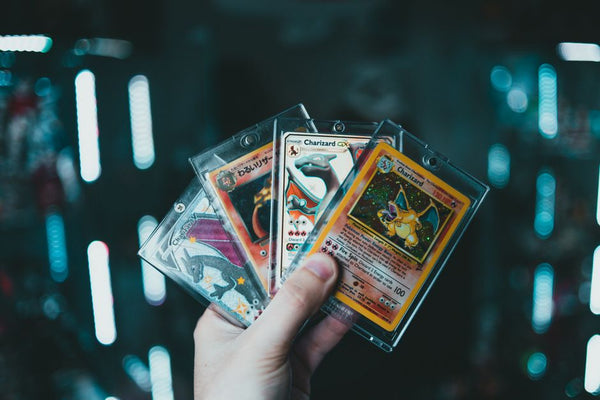
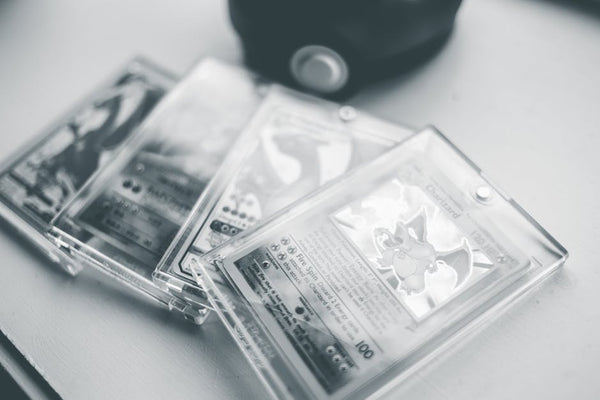
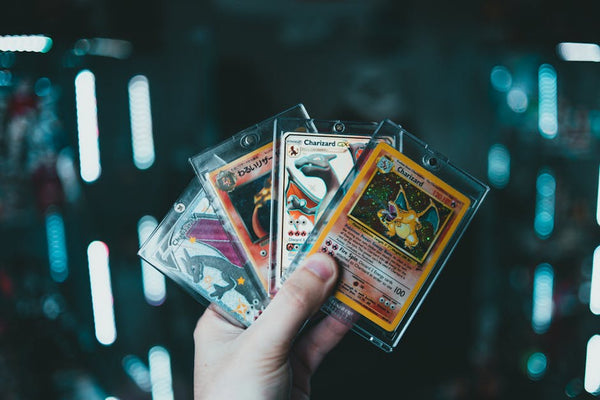
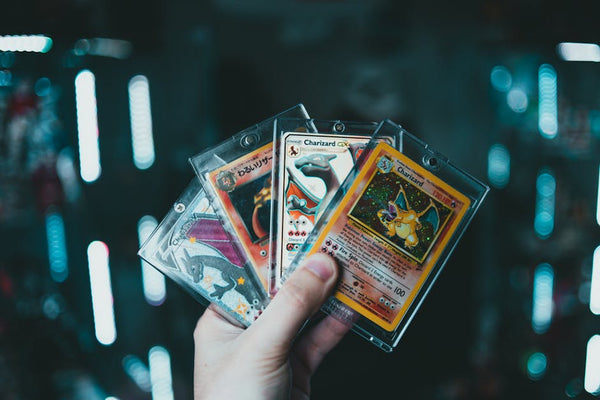
First off, condition is everything. I mean everything. A PSA 10 Base Set Shadowless Charizard sold for $350,000 in 2022. That same card in played condition? Maybe $500 on a good day. The difference between mint and near-mint isn't just a few bucks—it's life-changing money when we're talking vintage Pokemon.
But here's where it gets interesting. Everyone obsesses over Charizard, but some of the most stable investments are cards nobody talks about. Take the Japanese Base Set No Rarity Symbol cards. These weren't even supposed to exist—they were printing errors from the original 1996 release. A PSA 10 No Rarity Chansey has consistently sold for $15,000-20,000 over the past three years.
Vintage Sets That Actually Matter
Look, I get it. Vintage is expensive upfront. But if you're serious about Pokemon TCG investing, these are your bread and butter:
Base Set (1998-1999): Still the king. Any shadowless holos in decent condition will hold value. Even Machamp, which everyone got for free, sells for $100+ in PSA 10.
Neo Genesis (2000): Criminally underrated. Lugia and the other holos from this set have been climbing steadily. I sold a PSA 9 Lugia last month for $800—bought it raw for $200 two years ago.
Jungle and Fossil: These are your steady Eddies. Not explosive growth, but they've never really crashed either.
Japanese vs English: The Great Debate
Here's where I might lose some people, but Japanese cards are often the better investment. Why? Lower print runs, better quality control, and they came first. The Japanese Base Set Charizard consistently sells for more than its English counterpart in similar condition.
Personally, I think English cards are easier to sell to the broader market, but Japanese cards have that authenticity factor that serious collectors pay premiums for. It's like owning the first edition of a book versus the mass market paperback.
Modern Cards: Separating Hype from Reality
Okay, let's talk about the elephant in the room. Can you make money on modern Pokemon cards? Absolutely. But it's harder than people think.
The print runs now are massive compared to vintage sets. When Evolving Skies dropped, stores couldn't keep it in stock because of Rayquaza VMAX Alternate Art. That card was hitting $400+ raw. Fast forward two years? It's sitting around $150-180 for mint copies. Still valuable, but that initial FOMO pricing was unsustainable.
However, some modern cards are bucking this trend. The Moonbreon from Evolving Skies (Umbreon VMAX Alternate Art) has held its $300+ value remarkably well. Same with the Charizard VMAX from Champion's Path—that card refuses to die despite massive supply.
What Makes Modern Cards Stick
It comes down to three factors: popularity of the Pokemon, artwork quality, and actual scarcity. Rainbow rares might be rare pulls, but they're often not as visually appealing as alternate arts. The market has spoken loud and clear on this one.
The Logan Paul effect also can't be ignored. When celebrities drop six figures on Pokemon cards, it legitimizes the hobby to mainstream investors. But don't chase their picks—they're often buying at peaks.
The Cards Everyone Sleeps On
Want some actual alpha? Stop looking at the obvious stuff. Here's what I've been watching:
First edition Team Rocket holos: These are way undervalued compared to Base Set. Dark Charizard first edition has room to run.
E-Card series holos: Aquapolis and Skyridge had tiny print runs and unique mechanics. The artwork is incredible, but they're still affordable compared to WotC sets.
Certain promos: The Black Star promo Mewtwo from the first movie? Chef's kiss. Any card tied to cultural moments tends to age well.
I had a customer come in last year asking about e-Card Charizard. Dropped $400 on a near-mint copy. That same card just sold on eBay for $650 two weeks ago. Not every play works out, but that one did.
"The best time to buy Pokemon cards was 20 years ago. The second best time is now—but only if you know what you're looking for."
The Harsh Reality of Pokemon Card Investing
Let me be brutally honest for a second. Most people lose money trying to flip Pokemon cards. They buy high, sell low, and get burned by market timing.
The successful investors I know treat it like any other collectible market. They buy what they understand, hold for years, and don't panic sell when prices dip. Remember when everyone thought the Pokemon market was dead in 2019? Those who held onto their vintage cards are laughing now.
But here's the thing that makes Pokemon different from stocks or crypto: there's genuine emotional attachment. Even if your Charizard doesn't make you rich, you still own a piece of your childhood. Try getting that return from Bitcoin.
Storage and Grading: The Hidden Costs
Nobody talks about this enough, but proper storage and grading eat into profits fast. PSA grading costs $50+ per card now, and that's if you can wait months for turnaround. Add in insurance, shipping, and storage solutions, and your $100 card needs to hit $175+ just to break even after grading.
Is it worth it? For truly valuable cards, absolutely. For that modern rare you pulled? Maybe not.
Building a Smart Pokemon TCG Portfolio
If you're gonna do this, do it smart. Diversify across eras, don't go all-in on one card or set, and for the love of Arceus, only invest money you can afford to lose.
My personal strategy? 70% vintage (Base Set through e-Card), 20% modern chase cards, and 10% wild speculation on promos and Japanese exclusives. This isn't financial advice—just what's worked for me watching this market evolve.
You can check out some solid Pokemon TCG options at Pokemon TCG at TieredUp Tech if you want to start small and build up your knowledge before making bigger moves.
The Pokemon TCG market isn't going anywhere. It's matured from pure nostalgia play to legitimate alternative asset class. But like any investment, success comes from knowledge, patience, and a little bit of luck. Whether you're hunting for that retirement-worthy Charizard or just trying to preserve value in sealed product, the fundamentals haven't changed: buy quality, store properly, and think long-term.
The real question isn't whether Pokemon cards will hold value—it's whether you'll be smart enough to identify which ones actually matter before everyone else catches on.











Leave a Comment