


Pokemon TCG Investing: Which Cards Actually Hold Their Value Long-Term?
So you're thinking about Pokemon TCG investing? Smart move, honestly. I've watched customers at our Orange, TX shop turn their childhood hobby into legitimate investment portfolios, and lemme tell you — it's not as simple as buying every shiny Charizard you see.
Look, I get it. You see those headlines about a Base Set Charizard selling for $350,000 and think "easy money!" But here's the thing most people don't realize: card investing isn't just about buying expensive cards. It's about understanding what makes certain Pokemon TCG cards hold their value while others crash harder than a poorly optimized gaming rig.
The Psychology Behind Pokemon TCG Value Retention
Why do some cards maintain their worth while others become expensive coasters? It's not magic. Three factors drive everything: nostalgia, scarcity, and competitive relevance.
Personally, I think nostalgia is the biggest driver for long-term value. Remember when Pokemon Go exploded in 2016? Base Set card prices went absolutely bonkers because suddenly every millennial wanted to relive their childhood. That wasn't coincidence.
But here's where it gets interesting. Scarcity matters more than you'd think. A card printed in 1998 versus one printed in 2023? The print runs are incomparable. Wizards of the Coast printed way fewer cards back then compared to modern Pokemon Company International runs.
Then there's competitive play. Cards that dominate tournaments? They spike hard. But when rotation hits? Oof.
The Generational Value Gap
Here's something wild I've noticed: cards from different generations appeal to completely different investors. Base Set through Neo? That's millennial money driving prices. Diamond & Pearl era? Gen Z is starting to get nostalgic. Black & White? Still too recent for major nostalgia premiums.
This creates weird value pockets where certain eras get overlooked. Hot take: some Hidden Fates and Champion's Path cards are stupidly undervalued right now because they're caught between nostalgia waves.
Which Pokemon TCG Cards Actually Hold Value?
Alright, let's get specific. After watching the trading card game market for years, certain patterns emerge.
The Eternal Heavy Hitters
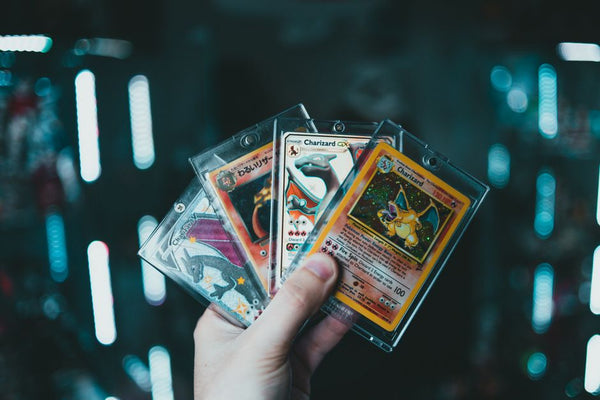
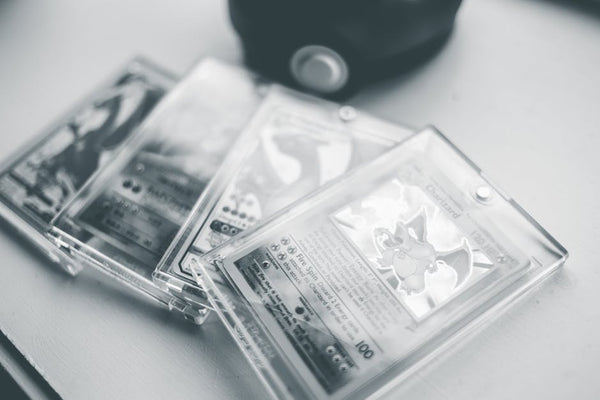
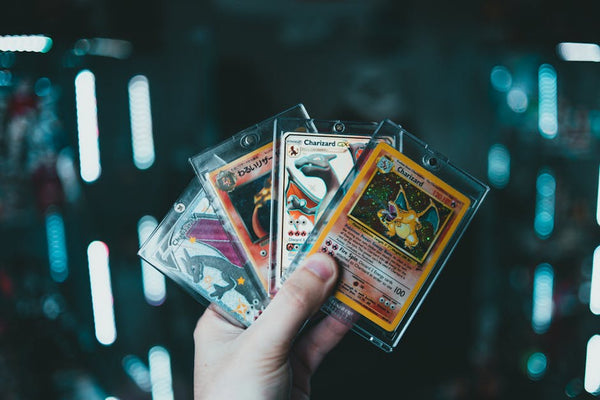
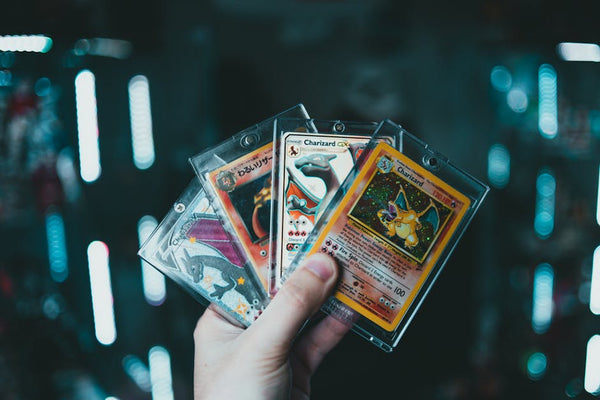
Base Set Charizard? Obviously. But it's not alone. Base Set Blastoise and Venusaur maintain solid value too, just at lower price points. The entire Base Set shadowless first edition run is basically Pokemon TCG blue chips.
Neo Genesis first edition Lugia consistently performs well. Same with Rocket's Mewtwo from Team Rocket. Why? These aren't just rare cards — they're iconic Pokemon from the height of the franchise's cultural impact.
But here's what surprises people: certain Japanese exclusive promos absolutely destroy English cards in value retention. The 1996 Japanese Base Set No Rarity Symbol cards? Those things are investment gold.
Modern Era Sleepers
You want real talk? Some modern cards are quietly building serious value. The Hidden Fates Charizard GX shiny? It's not going anywhere. That card combines modern print quality with classic Charizard appeal.
Champion's Path Charizard V? Same story. These aren't childhood nostalgia plays — they're betting on future nostalgia. Will kids who are 8 years old today be dropping serious money on these cards in 20 years? Maybe. That's the gamble.
Alternate art cards from recent sets like Evolving Skies are interesting too. The art quality is genuinely stunning, and low pull rates create natural scarcity.
The Tournament Scene Wildcards
Competitive Pokemon TCG cards are weird investments. They can spike to $100+ during their Standard format run, then crater when rotation hits. But some transcend competitive play.
Computer Search from Boundaries Crossed? That card maintained value even after rotating because it's just so iconic in competitive history. Same with Professor Juniper — certain trainer cards become symbols of specific eras.
Honestly though? Investing in competitive cards is more gambling than investing. Unless you're actively playing and understand the meta, stick to nostalgia plays.
What Destroys Pokemon Card Value
Let's talk about what kills card values, because understanding failure modes matters more than chasing successes.
Reprints are value killers. Remember when Charizard ex from FireRed LeafGreen got reprinted in Evolutions? Ouch. The original didn't become worthless, but it definitely took a hit.
Condition issues destroy value faster than anything else. I've seen customers try to sell "near mint" cards that look like they went through a blender. Modern grading standards are ruthless. A PSA 8 versus PSA 10? We're talking thousands of dollars difference on high-end cards.
Overprinting kills value too. When Pokemon prints sets to infinity because of demand? Those cards rarely develop serious secondary market value. Looking at you, Battle Styles.
The Fake Card Problem
Ngl, fakes are everywhere now. High-quality counterfeits are getting scary good. This actually helps legitimate card values in some ways — people pay premiums for verified authentic cards from reputable sources.
But it also means you need to know what you're buying. That eBay "deal" on a first edition Base Set booster box? Probably too good to be true.
Building a Pokemon TCG Investment Strategy
So how do you actually approach Pokemon TCG investing without losing your shirt?
Start with what you know. Are you a 90s kid with Base Set nostalgia? Lean into that. Understand the cards that resonate with your generation because you'll better predict what other collectors want.
Diversify your risk. Don't drop $5000 on one Charizard. Spread that across multiple cards from different eras. Maybe some Base Set, some e-Card series, some modern alternate arts.
Condition is everything. Seriously. A PSA 10 Base Set Charizard versus a PSA 9? The 10 sells for literally double. If you're buying raw cards, inspect them under good lighting with a magnifying glass.
The Grading Game
Should you get cards graded? It depends. For anything worth more than $100, probably yes. PSA and BGS grading adds authenticity verification and condition certification that buyers trust.
But grading costs money and time. Budget about $50+ per card for grading and shipping, and expect 3-6 month turnaround times. Only grade cards you're confident will score well.
Here's something most people miss: population reports matter. A card with 1000 PSA 10 copies? Less valuable than one with 50 PSA 10 copies, even if they're equally rare in raw form.
The Future of Pokemon Card Values
Where's this all heading? Hard to say, but some trends seem clear.
Japanese cards are gaining serious traction with Western collectors. The print quality is often better, and exclusivity drives value. Don't sleep on Japanese exclusive promos.
Modern cards with unique artwork or mechanics might age well. The full art trainer cards from recent sets? Those could be tomorrow's vintage staples. The artwork is legitimately museum-quality.
But honestly? The biggest wildcard is Pokemon Company's reprint policy. They've been more aggressive about reprinting popular cards recently. That could help accessibility while hurting investment potential.
One thing I'm watching: graded population growth. As more vintage cards get graded, perfect examples become scarcer. We might see PSA 10 premiums get even more extreme.
The Pokemon TCG at TieredUp Tech has taught me that successful collectors think in decades, not months. They buy cards they genuinely love, store them properly, and wait. The money follows passion more often than you'd expect.
Remember: you're not just buying cardboard. You're buying childhood memories, competitive history, and artistic achievement. The best investments happen when all three align perfectly. Now stop reading and go find your next favorite card.











Leave a Comment