


Pokemon TCG Investing: Which Cards Actually Hold Their Value Long-Term?
Here's the thing about Pokemon TCG investing — it's basically like shopping for graphics cards during the crypto boom. Everyone thinks they know which ones will moon, but most people end up holding worthless inventory while the smart money moves early. I've been tracking card values for years now, and honestly, the parallels between TCG speculation and tech component investing are wild.
Just like how RTX 4090s maintain their value because of actual demand from creators and gamers, certain Pokemon cards hold steady because they serve real purposes in competitive play or represent genuine cultural milestones. The key is separating the hype from the fundamentals.
Base Set Cards: The Intel 8086 of Pokemon
Let's start with the obvious heavy hitters. Base Set cards aren't going anywhere, period. These are like owning original Apple stock — they represent the foundation of everything that came after.
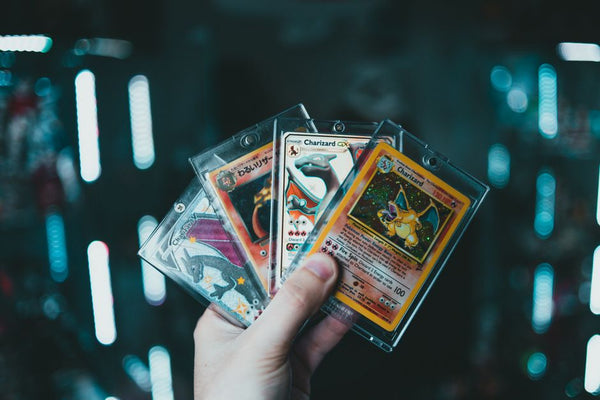
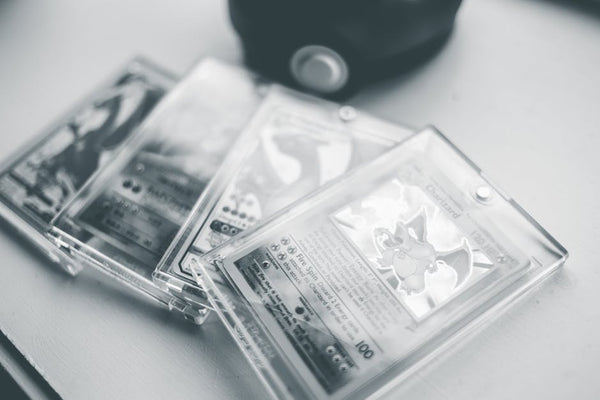
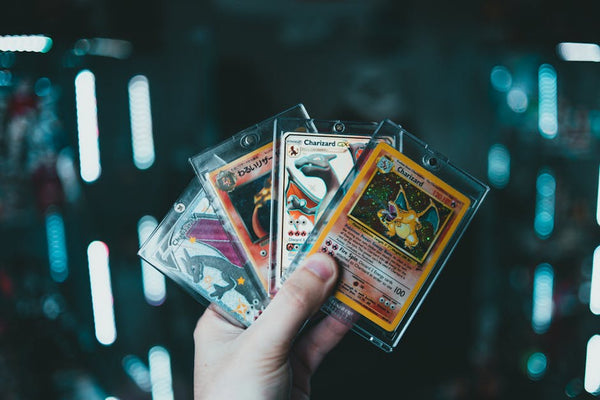
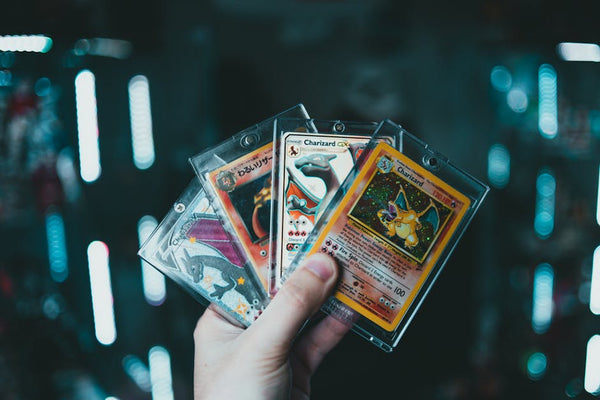
Base Set Charizard remains the holy grail, but here's where people mess up: condition is everything. A PSA 9 Base Set Charizard sold for $25,000 in 2022, while a damaged one might fetch $200. It's like the difference between a mint-condition retro console and one that's been sitting in someone's garage for decades.
Personally, I think Blastoise and Venusaur from Base Set are undervalued compared to Charizard. Sure, the fire lizard gets all the love, but competitive players know water and grass types have had their moments to shine. These cards represent the original trilogy that started it all — think of them as the foundational trio that every Pokemon game references.
Why Base Set Holds Value
The nostalgia factor is real, but it's not just emotions driving prices. Base Set cards have proven scarcity with documented print runs. Unlike modern sets that get reprinted endlessly, these cards had limited initial distribution in 1998-1999. When I'm helping customers at TieredUp Tech here in Orange, TX choose between different vintage cards, I always point out that Base Set represents a closed ecosystem — no more will ever be printed.
Modern Competitive Staples: The Current-Gen Powerhouses
Now here's where it gets spicy. Modern cards can absolutely hold value, but you need to think like a competitive player, not a speculator. Cards that define the meta are like top-tier CPUs — they maintain premium pricing because people actually need them.
Look at cards like Professor's Research or Ultra Ball from recent sets. These aren't sexy chase cards with rainbow foiling, but they're essential engines that power multiple deck archetypes. Smart investors grab playsets of these staples early, especially alternate art versions.
The Rotation Risk Factor
Here's the catch though — standard rotation kills competitive card values faster than new GPU releases crash previous generation prices. A card that's dominating today might be worthless in tournament play next year. But here's my hot take: cards with multiple format viability (Standard, Expanded, Legacy) tend to weather rotations better.
Take something like Shaymin-EX from Roaring Skies. Even after rotating out of Standard, it remained relevant in Expanded format for years. That sustained demand kept prices stable when other cards from the same era tanked.
Alternative Art and Special Releases: The Limited Edition Hardware
Alt art cards are where things get interesting. These are like special edition GPUs — same functionality as regular versions, but with premium aesthetics that command higher prices.
The Moonbreon (Umbreon VMAX Alternate Art from Evolving Skies) hit $500+ at peak hype, crashed to around $150, then stabilized at $250-300. That's classic speculation bubble behavior — initial FOMO, reality check, then settling at actual market value based on desirability and scarcity.
What makes alt arts worth holding? Artistic merit combined with playability. Cards featuring popular Pokemon with genuinely beautiful artwork tend to maintain premium over time. It's like how certain custom keyboard designs become classics — functionality meets aesthetic appeal.
Japanese vs English: The Import Question
Japanese cards often command premiums, especially for alternate arts that released earlier in Japan. Think of it like getting tech products before they hit US markets — early access creates value. But here's the nuance: not all Japanese premiums stick. Cards that get identical English releases usually see price compression over time.
Promo Cards and Event Exclusives: The Convention Special Editions
Tournament promos and event exclusives are fascinating. These cards often have artificial scarcity built in — like getting exclusive merchandise at gaming conventions. The Black Star promo series has produced some genuine gems over the years.
Victory Road Pikachu from the 2000 Pokemon World Championships still commands serious money because only tournament participants received them. Limited distribution plus historical significance equals sustained value — it's basic supply and demand economics.
But not all promos are created equal. Mass-distributed promotional cards from movie releases or general events? Those are more like the free t-shirts you get at trade shows — momentarily cool, but not particularly valuable long-term.
Grading: The Quality Assurance Factor
Card grading is like benchmarking your overclocked CPU — it provides standardized quality metrics that serious collectors demand. PSA and BGS grades dramatically impact values, especially for vintage cards where condition varies wildly.
A PSA 10 can be worth 10x more than a PSA 7 of the same card. That might seem excessive, but perfect condition vintage cards are genuinely rare. Most cards from the late '90s and early 2000s have some level of wear — finding mint examples is like discovering unopened retro hardware in original packaging.
The question is: does grading make financial sense for your collection? For cards worth $100+, absolutely. For modern pulls worth $20-50? The grading fees might exceed any value boost you'd get.
The Reality Check: What Actually Fails
Here's some tough love: most modern chase cards don't hold value. That $300 rainbow rare you pulled last month? It'll probably be worth $80 in six months when the next set drops.
Lowkey, the Pokemon TCG market moves faster than consumer electronics now. New cards constantly replace older ones in competitive play, and casual collectors move on to whatever's newest and shiniest. Only cards with genuine historical significance or sustained competitive relevance buck this trend.
Remember when everyone thought Cosmic Eclipse cards would be huge because it was the last set before Sword & Shield? Most of those "investments" aged like milk. The market doesn't care about arbitrary milestone sets unless they actually contain cards people want long-term.
Building a Strategy That Actually Works
Want to invest in Pokemon cards that actually hold value? Think like you're building a balanced portfolio, not chasing individual stocks based on Reddit hype.
Focus on cards with multiple value propositions. Base Set cards have nostalgia plus historical significance. Competitive staples have functional demand. Beautiful alternate arts have aesthetic appeal. The best long-term holds combine at least two of these factors.
Also, don't put all your money into sealed products hoping they'll 10x. Yes, some old booster boxes have done incredibly well, but you're basically gambling on scarcity. Individual high-grade cards from those same sets often provide better risk-adjusted returns.
The Pokemon TCG market isn't going anywhere — it's too big, too established, and too culturally embedded. But picking winners requires understanding what drives sustained demand beyond initial speculation. Whether you're shopping for cards at Pokemon TCG at TieredUp Tech or anywhere else, remember that smart investing beats lucky gambling every single time.
The next time someone tells you about their "guaranteed moonshot" Pokemon card investment, ask yourself: would you bet your GPU budget on it? If the answer's no, you've got your answer.
















Leave a Comment