


Pokemon TCG Investing: Which Cards Actually Hold Their Value?
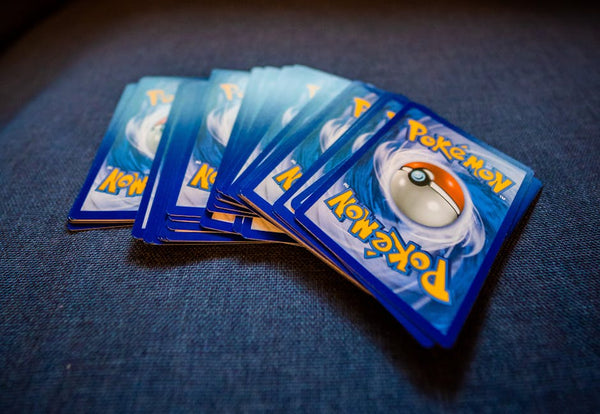
Alright, real talk time. I've been watching customers drop serious cash on Pokemon TCG cards at our shop here in Orange, TX, and honestly? Half of them have no clue what they're actually buying. They see a shiny card, throw down $200, then wonder why it's worth $50 six months later.
Look, I get it. The Pokemon trading card game has this magical ability to make grown adults act like kids again. But if you're dropping your paycheck on cardboard, shouldn't you at least know which pieces of that cardboard won't tank harder than my 401k in 2022?
The Cold Truth About Pokemon TCG Card Investing
Here's the thing nobody wants to admit: most Pokemon cards are terrible investments. Like, genuinely awful. I've watched more people get burned on "guaranteed winners" than I care to count. Remember when everyone thought Evolving Skies cards were going to the moon? Yeah, how'd that work out?
But some cards do hold value. Actually hold it. The trick is figuring out which ones won't leave you eating ramen for the next three months.
Vintage Cards: The Safe Play (If You Can Afford Them)
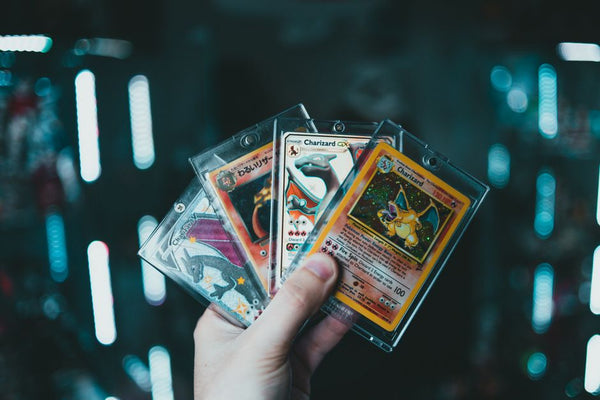
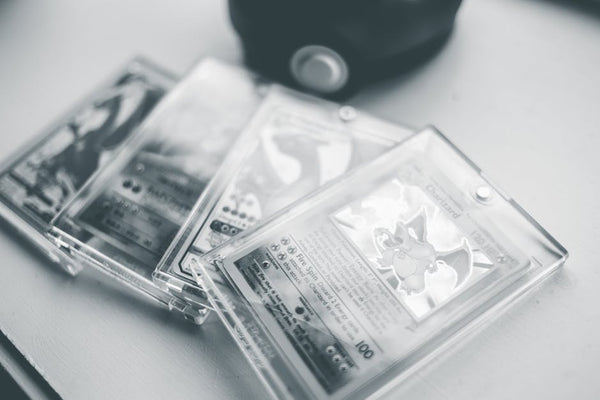
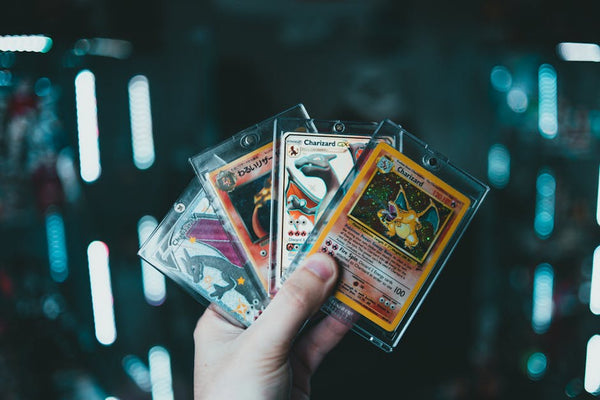
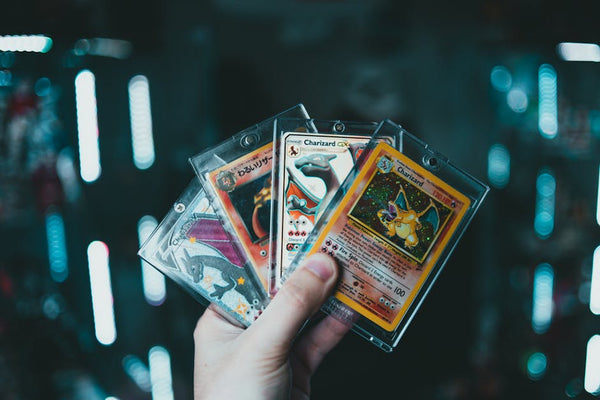
Base Set cards from 1998-1999 are basically the blue chips of Pokemon TCG investing. Charizard, Blastoise, Venusaur – these aren't going anywhere. A PSA 9 Base Set Shadowless Charizard still commands $5,000-$8,000, and it's been steady for years.
Why do these hold value? Simple.
They're old. They're nostalgic. And most importantly, people actually remember them. Your average 30-something who grew up with Pokemon Red and Blue doesn't care about whatever new mechanic they introduced in the latest set. They want that chunky yellow dragon from their childhood.
Personally, I think Neo Genesis cards are criminally undervalued. Lugia and Ho-Oh from that set? Those are the legendary birds that defined Gold and Silver, but they're trading for a fraction of Base Set prices. Hot take: give it five years and Neo Genesis will be the next vintage goldmine.
Modern Cards That Might Not Tank
Now, modern Pokemon TCG cards are trickier. Most new releases get printed into oblivion, which means your shiny new Alternate Art whatever probably isn't going to fund your retirement. But some patterns emerge when you look at what actually holds value.
Alternate Art cards from quality sets tend to do better than regular versions. The Umbreon VMAX Alternate Art from Evolving Skies? Still sitting pretty at $300-400 despite the set being opened to death. Why? Because it's genuinely gorgeous, and Umbreon has a massive fanbase.
Here's what I've noticed works:
- Popular Pokemon (Charizard, Pikachu, Eevee evolutions) in premium artwork
- Cards with low pull rates from well-regarded sets
- Promo cards with actual scarcity (not the McDonald's stuff)
The Grading Game: Worth It or Waste of Money?
Oh boy, grading. This is where things get spicy. PSA, BGS, CGC – everyone's got opinions, and most of them are wrong.
Here's the deal: grading only makes sense if you're dealing with expensive cards that are already in great condition. Sending a $20 card to PSA for $30 grading fees? That's not investing, that's math dysfunction.
But a raw Base Set Charizard that could grade 8 or 9? Yeah, that's worth the gamble. The difference between a raw card and a PSA 9 can be thousands of dollars. I helped a customer last month who found his childhood binder – his Charizard looked mint, got a PSA 9, and sold for $6,500. Same card raw would've been lucky to hit $1,500.
The grading market is also weird right now. PSA turnaround times are better than they were during the 2020 insanity, but prices are still inflated compared to pre-pandemic levels. Sometimes I wonder if we're all just collectively agreeing that plastic slabs make cardboard more valuable.
Japanese vs English: The Underground Play
Want to know a secret? Japanese cards often hold value better than English versions. Lower print runs, better quality control, and honestly? They just look cooler. The Japanese Moonbreon (Umbreon VMAX Alternate Art) trades for significantly more than the English version.
Tbh, most American collectors sleep on Japanese cards because they can't read them. Their loss. Some of the most beautiful Pokemon TCG artwork exists only in Japanese sets, and the prices reflect that exclusivity.
Sets That Actually Matter for Long-Term Value
Not all Pokemon TCG sets are created equal. Some are destined for bargain bins, others become legendary. Base Set, Jungle, Fossil – these are the OG trinity that started it all. Neo series cards are slowly climbing. E-Series cards from 2003 are stupid expensive now because nobody saved them.
For modern sets? Hidden Fates was lightning in a bottle. Shining Fates had some winners. Champion's Path was mostly mid except for that Charizard VMAX. Battle Styles? Yikes. That set aged like milk in the sun.
The pattern I've noticed: sets with broad appeal and memorable cards tend to age better than sets focused on competitive play mechanics. Casual collectors drive long-term value more than tournament players do.
Red Flags: Cards to Avoid
Some cards scream "bad investment" from day one. Anything with massive print runs. Anything from a set that gets reprinted constantly. Anything that's only valuable because of artificial scarcity (looking at you, retail exclusive promos).
World Championship cards? Hard pass. They're literally marked as not tournament legal. Jumbo cards? Cool for display, terrible for value retention. Most GX and V cards? The market is flooded with them.
And please, for the love of all that's holy, stop buying graded cards from sellers you've never heard of. The amount of fake PSA slabs floating around is genuinely concerning. If the price seems too good to be true, it probably is.
The Real Strategy: Play the Long Game
Here's what actually works for Pokemon TCG investing: patience and selectivity. Buy cards you genuinely like from Pokemon you care about. If the investment doesn't pan out, at least you have something cool to look at.
Focus on condition. A near-mint card will always beat a played one, regardless of rarity. Store your cards properly – penny sleeves, toploaders, controlled temperature. I've seen too many valuable cards ruined by poor storage.
And honestly? Don't bet the farm on cardboard. Pokemon TCG at TieredUp Tech is fun, nostalgic, and sometimes profitable. But it's still gambling with extra steps. Diversify your investments, people.
The next big thing in Pokemon TCG might be 25th Anniversary cards, or maybe something completely unexpected. Nobody predicted Evolving Skies would explode the way it did. The market moves fast, opinions change faster, and sometimes the best strategy is just buying what makes you happy and hoping for the best.
Because at the end of the day, whether your Charizard is worth $5,000 or $50, you still get to own a fire-breathing dragon. And honestly? That's pretty cool regardless of the price tag.










Leave a Comment