


Pokemon TCG Investing: Which Cards Actually Hold Their Value?
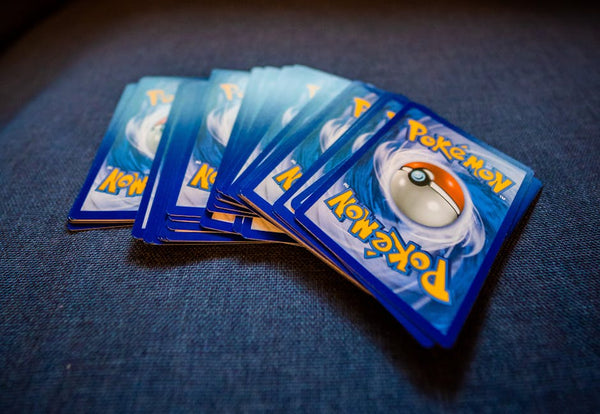
Look, I've been watching people throw money at Pokemon cards like they're lottery tickets ever since the Logan Paul circus kicked off. But here's the thing – some folks are making bank while others are stuck with a binder full of expensive cardboard. After years of watching customers at TieredUp Tech debate whether to crack packs or hold sealed product, I've got some thoughts on what actually holds value in the Pokemon TCG market.
Here's my hot take: most people are doing Pokemon card investing completely wrong.
The Golden Rules Nobody Talks About
Personally, I think the biggest mistake new investors make is chasing whatever's trending on TikTok. Remember when everyone was going nuts for Evolving Skies Rayquaza? Yeah, those same people are probably sitting on stacks they can't move now. The Pokemon TCG market isn't like crypto – it moves differently.
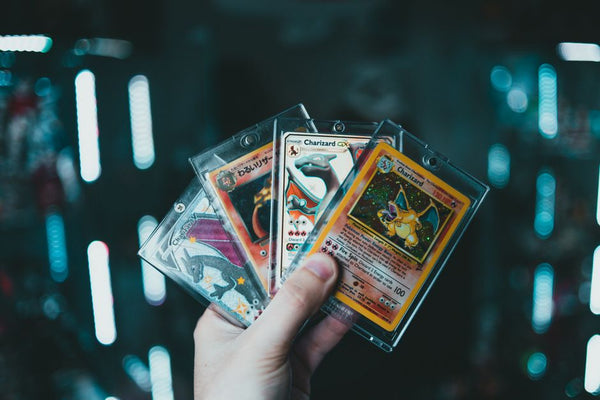
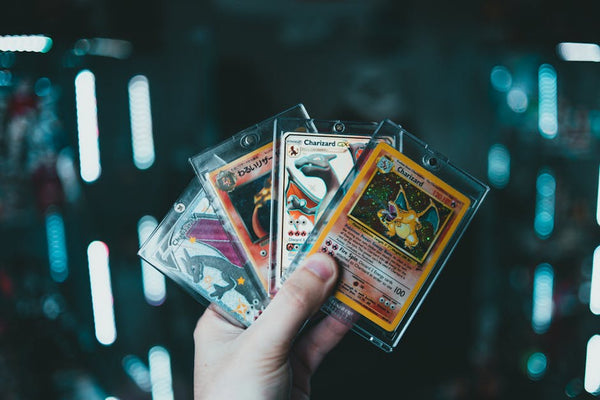
First rule of Pokemon card investing? Age matters, but not how you think. A 2021 card isn't automatically worth less than a 1998 card. It's about scarcity, playability, and cultural impact. Take Champion's Path – that set was printed into the ground, but the Charizard VMAX still holds decent value because it's iconic.
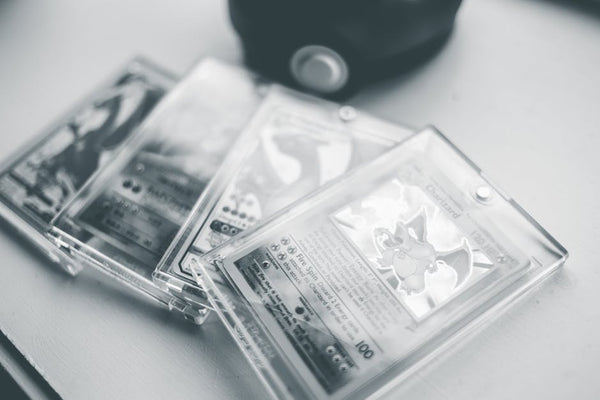
Second rule? Condition is everything. I can't tell you how many people walk into our Orange, TX shop with "mint" cards that look like they've been through a blender. A PSA 10 Base Set Charizard selling for $6,000 doesn't mean your played copy is worth half that. It means it's worth maybe $400 on a good day.
Why Japanese Cards Hit Different
Here's something most Western collectors don't get – Japanese Pokemon cards often hold value better than their English counterparts. Why? Print runs are typically smaller, quality control is tighter, and Japanese collectors treat their cards like sacred artifacts.
The Japanese Tropical Mega Battle trophy cards? Those things appreciate faster than Bitcoin in a bull run. Even modern Japanese exclusive promos consistently outperform similar English releases. Is it fair? Probably not. Does it matter for your portfolio? Absolutely.
Modern Pokemon TCG Cards Worth Watching
Let's get real about what's actually moving in today's market. Sword & Shield era cards aren't all busts – you just need to know what to look for.
The Celebrations 25th Anniversary set? Solid long-term hold. Limited print window, nostalgia factor through the roof, and it captured lightning in a bottle during peak Pokemon hype. That Classic Collection subset especially – those cards aren't getting reprinted anytime soon.
Hidden Fates is another one people sleep on. Sure, it got reprinted more than anyone expected, but Shiny Charizard GX still moves at $200+ in good condition. The shiny vault concept was brilliant from an investment standpoint because it created artificial scarcity within an already limited release.
But here's where I get uncertain – Crown Zenith. Final Sword & Shield set, decent pull rates, but will it have staying power? The market's still deciding, and honestly, I'm not sure which way it'll go.
The Sealed Product Game
Sealed Pokemon TCG product is where the real money lives, but it's also where people make the biggest mistakes. You can't just buy any booster box and expect it to 10x in five years.
First edition Base Set boxes hit $400,000+ at auction. Sounds insane, right? But think about it – how many people actually kept sealed boxes from 1998? Most kids ripped those packs immediately. That's the scarcity premium in action.
Modern sealed investing is trickier. Pokemon prints way more product now, distribution is better, and collectors are more sophisticated. But certain sets still work. Japanese boxes consistently outperform English ones. Special releases like Pokemon Center exclusive sets create natural scarcity. Anniversary products tend to age well because they capture specific moments in time.
Vintage Cards: The Safe Bets That Aren't Actually Safe
Everyone thinks vintage Pokemon cards are automatic wins. Not true. Plenty of vintage cards are complete dogs from an investment perspective.
Base Set Charizard gets all the attention, but what about Base Set Magneton? Or Dugtrio? Those cards are vintage too, but they're not buying anyone a Tesla. Nostalgia is powerful, but it's not evenly distributed across every card from the late 90s.
The real vintage winners? Iconic Pokemon in pristine condition from significant sets. We're talking Base Set, Jungle, Fossil starters and legendaries. Neo Genesis Lugia. Anything with Pikachu that isn't completely played to death. Trophy cards from actual tournaments.
Here's what burns my biscuit though – people buying vintage cards as investments without understanding the grading game. A raw Near Mint vintage card might look good to you, but PSA could see microscopic edge wear you missed. Suddenly your $1,000 investment becomes a $200 reality check.
Grading: Worth It or Waste of Money?
Speaking of grading – is it worth the cost and wait times? Depends on what you're grading. Sending a $50 modern card to PSA for a $20 grading fee? That's math that doesn't work unless you're absolutely certain it's a 10.
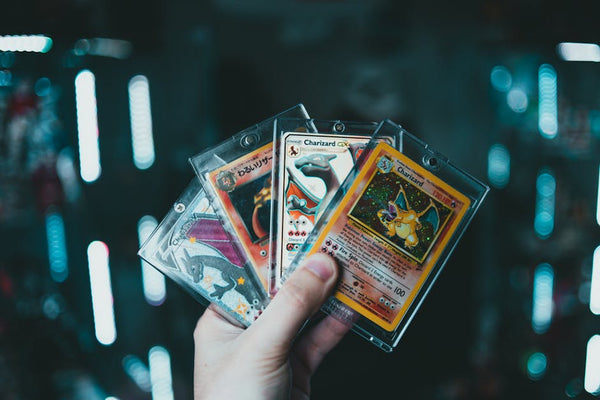
But vintage cards over $200? Yeah, probably worth grading if condition looks strong. The price premium for graded vintage is massive. We're talking 3-5x differences between raw and PSA 10 copies of the same card.
BGS vs PSA vs CGC? Honestly, PSA still rules the Pokemon market. Their pop reports are better, their brand recognition is stronger, and their 10s command higher prices. BGS has that pristine designation that's cool for ultra-high-end stuff, but for most cards, PSA is the play.
What Actually Drives Pokemon Card Values?
You want to know what really moves Pokemon card prices? It's not always what you'd expect.
Celebrity purchases definitely impact things. Logan Paul dropping millions on cards brought mainstream attention, but it also created unrealistic expectations. Suddenly every Charizard owner thought they were sitting on a goldmine.
Tournament results matter too. When a specific card becomes meta-defining in competitive play, demand spikes. Problem is, those spikes often don't last. Rotation happens, new sets shake up the format, yesterday's tier-one deck becomes tomorrow's budget build.
Cultural moments create lasting value though. The 25th anniversary. Major movie releases. New game launches. These events drive broad interest in the Pokemon brand, lifting all boats in the collectibles market.
The cards that hold value long-term are the ones that capture specific moments in Pokemon history while maintaining broad appeal beyond just collectors.
Modern Sets vs Vintage: The Uncomfortable Truth
Here's something that might upset people – most modern Pokemon cards won't be worth anything special in 20 years. Not because they're bad cards, but because print runs are massive and collectors are sophisticated now.
Think about it. How many Brilliant Stars booster boxes do you think were opened vs kept sealed? Compare that to Base Set from 1998 when nobody was thinking about long-term collecting. The supply dynamics are completely different.
That doesn't mean modern cards can't appreciate – they just need different catalysts. Special releases, printing errors, cultural significance. The regular stuff? It's going to be regular.
Red Flags That Scream "Don't Invest"
Some Pokemon products are investment traps waiting to happen. Anything that gets reprinted constantly loses scarcity value fast. Looking at you, McDonald's promos from every other year.
Cards with gimmicky mechanics often don't age well either. Remember Pokemon BREAK cards? Yeah, nobody else does either. The trading card game evolves, leaving weird mechanics behind.
Overhyped chase cards from modern sets can be dangerous too. When everyone's chasing the same card, supply often catches up with demand eventually. The Moonbreon from Evolving Skies is beautiful, but $300+ for a modern alternate art? That feels unsustainable.
Building an Actual Portfolio
So what does a smart Pokemon card investment portfolio look like? Diversification matters just like any other investment.
Some vintage staples for stability. Mix of graded and raw depending on the card. Japanese exclusives for growth potential. Sealed product from significant releases. Maybe some modern cards with genuine scarcity or competitive relevance.
Don't put everything into one card or one set. Don't chase every hype train. Don't ignore condition. Don't expect quick flips unless you really know what you're doing.
The Pokemon TCG market rewards patience and knowledge. Cards that appreciate 10-20% annually over decades beat lottery ticket mentality every time. At least, that's what I tell folks browsing our Pokemon TCG selection when they're trying to decide between ripping packs and holding sealed.
Will Pokemon cards still matter in 2034? My gut says yes – this isn't a fad anymore, it's a legitimate collectibles market with staying power. Just don't expect every card to fund your retirement.










Leave a Comment