


Magic: The Gathering Final Fantasy Crossover — Is It Worth Your Hard-Earned Cash?
Look, I've been slinging cards and building PCs long enough to know when something's genuinely special versus when it's just hype with fancy artwork. The Magic: The Gathering Final Fantasy crossover dropped like a mythic rare from a booster box, and honestly? The community's been split harder than a Teferi player's fanbase.
Here's the thing about crossovers in the trading card game world — they're either absolute bangers that hold value like a pristine RTX 4090, or they crash harder than Windows Vista. No middle ground. So let's break down whether these Final Fantasy cards deserve a spot in your collection or if they're destined for the bulk bin.
The Performance Metrics: What You're Actually Getting
First off, the card quality is solid. We're talking premium foiling that actually looks premium, not that weird rainbow sheen that made some recent Pokemon TCG sets look like oil spills. The artwork? Chef's kiss. Square Enix didn't phone this one in — these cards look like they stepped straight out of a cutscene.
But here's where it gets interesting. The power level sits in this weird sweet spot that's got competitive players scratching their heads. Cloud isn't breaking Standard format, but he's not exactly bulk rare material either. It's like buying a mid-tier graphics card — perfectly serviceable, but you're not gonna be flexing on anyone.
The chase cards are where things get spicy. That alternate art Sephiroth? Trading at $180+ right now. Compare that to the regular version at $45, and you're looking at collector premium pricing that'd make even Pokemon card scalpers jealous.
Format Playability: Where These Cards Actually Shine
Ngl, I was skeptical about how FF characters would translate to Magic's gameplay. But after testing them extensively (and watching way too many streams), I'm impressed. The design team actually understood the assignment.
Lightning brings this aggressive tempo strategy that feels distinctly different from existing red strategies. Her ability to essentially "overclock" your other creatures mirrors her ATB system from the games perfectly. Personally, I think she's undervalued right now — give it six months and she'll be a format staple.
Terra's transformation mechanic is pure genius. It's like getting two cards in one, similar to how flip cards work in Pokemon, but with actual meaningful gameplay decisions. The Esper form isn't just a bigger body — it fundamentally changes how you approach the game state.
Investment Value: Are These the Next Black Lotus?
Hot take: most of these won't hold their current prices. I've seen this movie before with every major crossover set. The initial excitement drives prices through the roof, then reality sets in.
But here's the nuance — Final Fantasy has staying power that most IPs don't. This isn't some flash-in-the-pan mobile game collaboration. FF has been culturally relevant for over three decades. That kind of brand recognition doesn't just evaporate.
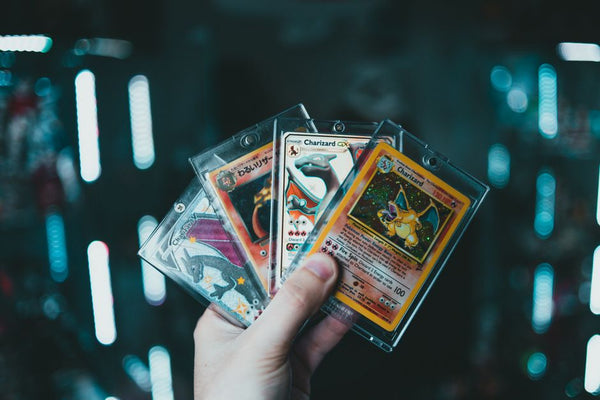
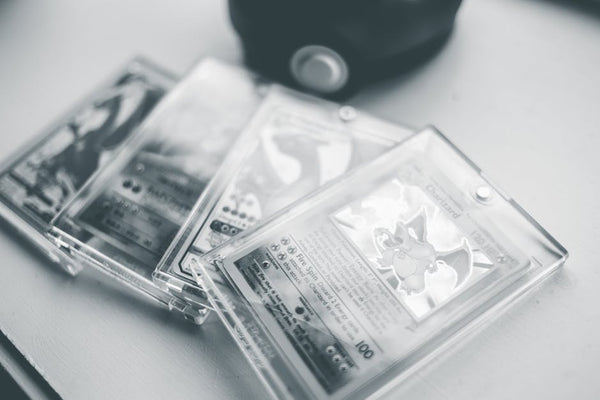
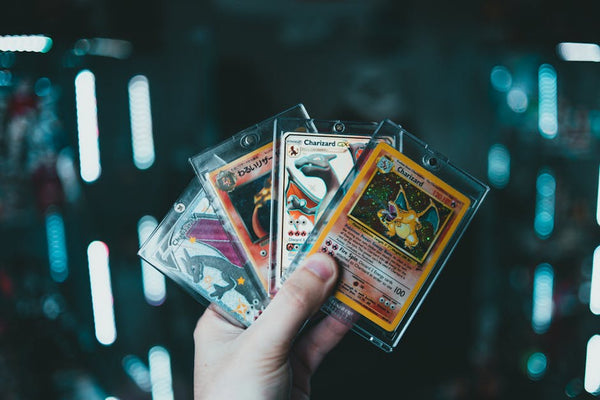
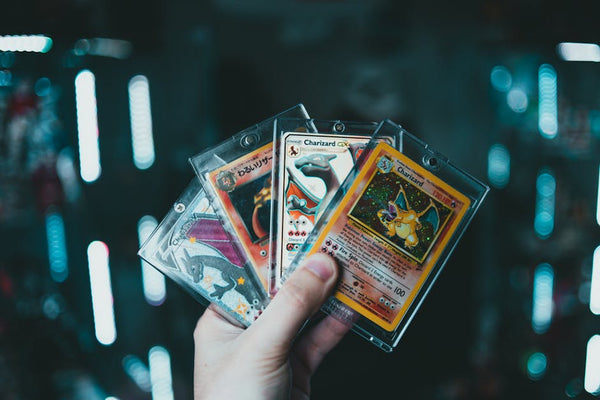
The serialized cards are a different beast entirely. Those limited print runs create artificial scarcity that collectors eat up. It's the same psychology that makes people pay $800 for a holographic Charizard or $2000 for a 4090 Ti when regular 4090s exist.
What's Actually Worth Your Money
If you're buying to play, focus on the mechanically unique cards. The planeswalkers offer genuinely new strategies, and the legendary creatures enable entire archetypes. Skip the fancy alternate arts unless you're rolling in disposable income.
For collectors? The chase is real. Those alternate arts and serialized variants will likely appreciate, but don't expect overnight millions. Think of them like limited edition PC components — valuable to enthusiasts, but not retirement funds.
Working at TieredUp Tech in Orange, TX, I've watched customers make both brilliant and terrible purchasing decisions. The people who bought Commander Legends singles during the initial price spike? Still kicking themselves. The ones who grabbed reserved list cards ten years ago? Living their best lives.
The Gameplay Integration: Does It Actually Work?
This is where things get really interesting. Unlike some crossovers that feel bolted on, the FF mechanics mesh surprisingly well with Magic's existing systems. The summoning mechanics feel natural, not forced.
Bahamut's implementation as a massive board wipe with upside perfectly captures his role from the games. It's expensive, devastating, and creates those memorable moments that make Magic special. Compare that to some other crossover attempts that felt like existing cards with different artwork.
The limit break mechanic adds this resource management layer that rewards planning ahead. It's not just "pay more mana, get bigger effect" — you're making genuine strategic decisions about when to commit resources.
But honestly? Some of the flavor text feels a bit cringe. I get that they're trying to bridge two different storytelling styles, but some cards read like they were translated through Google Translate twice.
Format Impact: Shaking Up the Meta
Standard hasn't been this interesting in months. The FF cards didn't just slot into existing decks — they created entirely new archetypes. That Chocobo tribal deck everyone was memeing about? It's actually putting up results.
Legacy players are having a field day with some of the more broken interactions. Cecil's protection abilities combined with existing combos create some truly degenerate lines of play. Is it healthy for the format? Probably not. Is it fun to watch? Absolutely.
Commander is where these cards really shine though. The legendary creatures provide fresh build-around options, and the power level feels perfectly calibrated for casual tables. No one's complaining about FF cards ruining their battlecruiser games.
Should You Pull the Trigger?
Here's my honest assessment after weeks of testing, trading, and watching market trends: if you're a Final Fantasy fan who plays Magic, this is probably worth it. The nostalgia factor alone justifies reasonable purchases.
For competitive players, grab the singles you need for specific decks. Don't chase the collector's high unless you're prepared for potential losses. The Magic: The Gathering Singles market is already adjusting, and some prices are coming back to earth.
Collectors? The serialized variants and alternate arts will likely hold value better than regular versions, but don't mortgage your house. Think of it like buying a premium CPU — nice to have, but the standard version does the same job.
What really matters is whether you'll actually use these cards. A $200 alternate art Sephiroth sitting in a binder is just expensive cardboard. But if it sparks joy every time you cast it in your Cloud tribal Commander deck? That's value you can't put a price on.
The Final Fantasy crossover proves that Magic can successfully integrate beloved characters without losing its identity. Whether that's worth your money depends entirely on how much you value that intersection of franchises. Just remember — the best purchase is the one that gets you to the table more often, whether that's flexing premium cards or just having fun with friends.

















Leave a Comment