


Pokemon TCG Investing: Which Cards Actually Hold Their Value?
Let's be real here. Pokemon TCG investing isn't just about nostalgia anymore — it's become as serious as watching GPU prices crash after a crypto mining boom. I've seen people drop $5000 on a single Charizard card like they're buying a high-end RTX 4090, and honestly? Sometimes it makes more sense than the graphics card purchase.
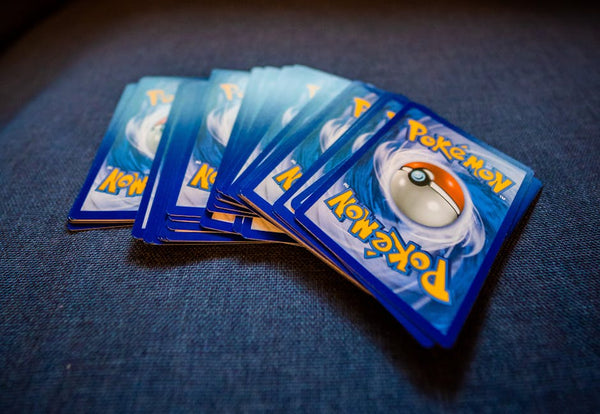
But here's the thing everyone gets wrong about card investing. You can't just buy random shiny cardboard and expect it to moon like GameStop stock. There's actual strategy involved, and after watching countless customers at our shop debate whether to crack packs or preserve them sealed, I've learned which Pokemon cards actually maintain value versus which ones are basically digital pet rocks.
The Blue-Chip Cards That Never Disappoint
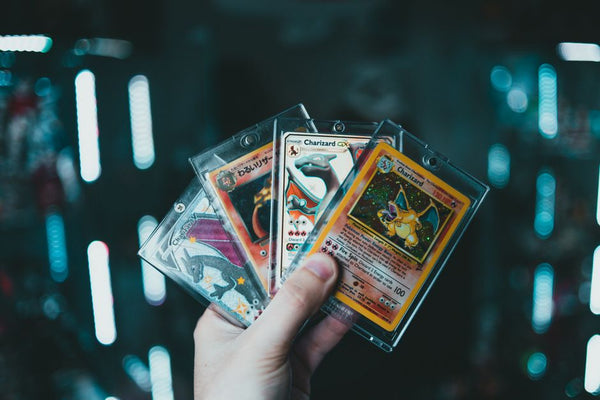
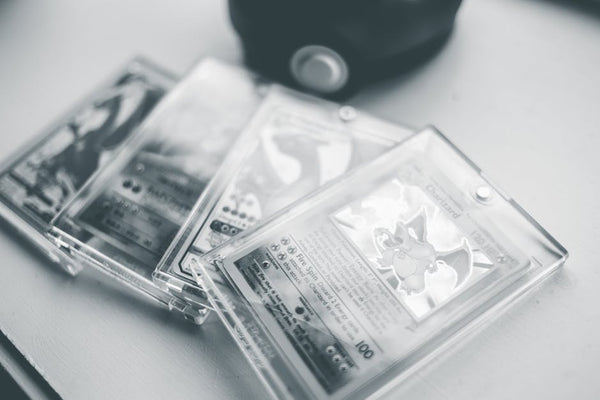
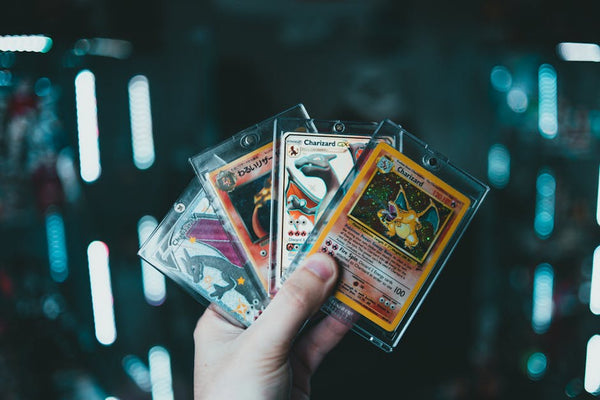
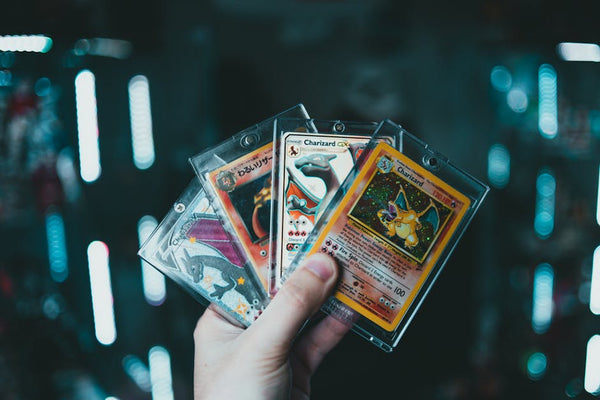
First up: Base Set Charizard. This card is the Intel Core i7 of Pokemon — reliable, consistently valuable, and everyone wants one. A PSA 9 Base Set Shadowless Charizard typically sells for $6000-8000, while a PSA 10 can hit $25000+. That's not hype pricing either — that's sustained demand over 25+ years.
Why does it hold value so well? Same reason certain PC components become legendary. Limited original production. Cultural significance. And most importantly, condition scarcity. Finding a mint condition Base Set Charizard is like finding an original GeForce 256 still in shrinkwrap — theoretically possible but incredibly rare.
The other cards in this tier include Base Set Blastoise and Venusaur (both PSA 10s around $3000-5000), first edition Neo Genesis Lugia ($2000-4000), and surprisingly, Gold Star Pokemon from the mid-2000s. These Gold Stars are particularly interesting because they're like finding vintage hardware that was ahead of its time — limited print runs that people didn't appreciate until years later.
Modern Era Heavyweights
Don't sleep on recent sets though. The Pokemon TCG has been dropping absolute bangers lately, and some modern cards are already showing serious appreciation. Take the Moonbreon (Umbreon VMAX Alternate Art from Evolving Skies) — this card went from $300 to $600+ in less than two years. That's better ROI than most tech stocks, ngl.
Charizard VMAX from Champion's Path hit similar numbers. Raw copies that were $100 in 2021 are now pushing $200-250, and PSA 10s are hitting $400+. The pattern here? Alternate art cards from popular Pokemon in modern sets with lower pull rates than a Rolex drop.
Cards That Look Valuable But Aren't Worth Your Money
Hot take: most modern full art trainers are overrated investment pieces. Yeah, they look cool, but they're not Pikachu or Charizard. They're more like buying the most expensive RGB RAM when you could've gotten performance that matters. Pretty, but not necessarily valuable long-term.
I've watched people pay $200+ for cards like Professor's Research full art, thinking they're making a smart play. But here's the reality — trainer cards rarely maintain premium pricing unless they're from vintage sets or have extreme rarity. That Cynthia full art everyone was hyping? Down 60% from its peak.
Another trap: Japanese exclusive cards that seem rare but actually had massive print runs in Japan. Just because something's hard to find in English doesn't automatically make it valuable. It's like assuming a Japan-exclusive GPU model is worth more when it might just have different packaging.
Also, avoid most GX and V cards from sets with high print runs. They're the budget gaming headsets of Pokemon — functional and popular when released, but they age poorly compared to premium options.
How Market Dynamics Actually Work
Pokemon card values follow surprisingly similar patterns to PC component markets. New release hype drives initial prices up, then reality sets in. Remember when RTX 3070s were selling for $800 above MSRP? Similar thing happens with hyped Pokemon cards.
The difference is Pokemon cards don't become obsolete. A 1998 Charizard doesn't get outperformed by the 2024 model. But market timing still matters enormously.
Personally, I think the best investment strategy is buying cards during the "valley of sadness" — that period 6-18 months after release when hype dies but before long-term appreciation kicks in. We saw this with Hidden Fates Charizard cards around late 2020, and those same cards doubled in value by 2022.
The Pokemon TCG market moves in cycles, much like tech upgrade cycles. Understanding these patterns is crucial for timing purchases correctly.
One major factor people ignore: condition sensitivity in Pokemon is extreme compared to other TCGs. A Pokemon card with slight edge wear might drop 70% in value, while a Magic: The Gathering card with similar wear only drops 30%. This makes grading absolutely essential for serious investing, but it also creates opportunities for savvy buyers who understand condition nuances.
The Grading Game
PSA 10 Pokemon cards often sell for 3-10x more than PSA 9 versions of the same card. That's not normal in other collectible markets. It's like the difference between a perfectly functioning CPU and one with slightly lower boost clocks — technically both work fine, but collectors pay massive premiums for perfection.
This creates an interesting dynamic where ungraded vintage cards in truly mint condition become lottery tickets. You might pay $500 for a raw Base Set Charizard that could grade PSA 10 and be worth $8000, or it could grade PSA 8 and be worth $1500. High risk, high reward.
What Actually Drives Long-Term Value
After analyzing sales data and watching trends for years, three factors consistently predict which Pokemon cards will hold value: iconic Pokemon representation, print run scarcity, and condition survival rates.
Charizard cards dominate because Charizard is Pokemon's mascot alongside Pikachu. Every kid wanted one, most got damaged playing with them, and adults today remember wanting them. It's nostalgia plus genuine scarcity.
Print run size matters enormously. Base Set had limited printing compared to modern sets. Hidden Fates was printed into the ground initially but stopped, creating artificial scarcity later. Champion's Path had middling print runs but high demand, creating sustainable value.
But here's where it gets interesting — sometimes cards become valuable specifically because they weren't taken seriously initially. Gold Star Pokemon were expensive when released, so fewer people bought them casually. Years later, that "expensive at release" factor created genuine rarity.
Regional Variations and Market Inefficiencies
Working at TieredUp Tech in Orange, TX, I've noticed regional price differences that create arbitrage opportunities. Cards that sell for $200 in major markets might trade locally for $150 because there's less competition. It's like finding graphics cards at small retailers that haven't adjusted to market pricing yet.
Japanese cards often trade at discounts to English versions despite similar or lower print runs. Korean and other language variants can be absolute steals if you understand which sets had limited distribution. Most American collectors overlook these, creating opportunities for patient investors.
Modern Sets Worth Watching
Brilliant Stars, Evolving Skies, and Champion's Path have shown staying power beyond initial hype. These sets hit the sweet spot of desirable Pokemon, quality artwork, and print runs that weren't excessive but weren't tiny either.
The upcoming 151 set (Classic Collection) could be massive. It's focusing entirely on original 150 Pokemon plus Mew, which is basically guaranteed nostalgia bait. If pull rates are reasonable and artwork quality matches recent standards, cards from this set could appreciate quickly.
Silver Tempest and Crown Zenith had some interesting cards but massive print runs. Proceed with caution there. They're the RX 580s of Pokemon — solid performers that were produced in huge quantities.
Honestly, the Pokemon TCG market has matured enough that obvious investment plays are harder to find. But that also means fewer people are just flipping cards for quick profits, which should support more stable long-term growth for quality pieces.
Smart money in 2024 is buying high-grade vintage cards during market dips, cherry-picking the best alternate arts from recent sets, and staying patient. This isn't a get-rich-quick scheme — it's about understanding what makes cardboard valuable over decades, not months.
Will your Charizard outperform your stock portfolio? Maybe not. But it'll definitely look cooler on your shelf than a brokerage statement, and unlike tech stocks, you can actually touch your investment without it becoming worthless overnight.
Looking for the right setup? Check out Pokemon TCG at TieredUp Tech — built right here in Orange, TX.











Leave a Comment