


Meta Lays Off Thousands to Fund AI Investments: Gaming Tech News That Matters
Meta just pulled a classic corporate move. Thousands of employees got the boot because Mark Zuckerberg wants to throw more money at AI development. The official line? They need to "offset the other investments we're making." Translation: we're betting the farm on AI and someone's gotta pay.
Now you might be thinking — why should gamers care about Meta's workforce drama? Because this tech news ripples through the entire gaming ecosystem, and if you're shopping for hardware or tracking GPU prices, this stuff matters more than you think.
The Real Gaming Technology Impact
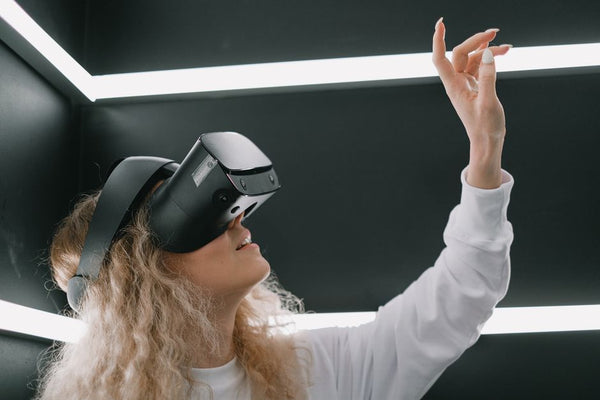
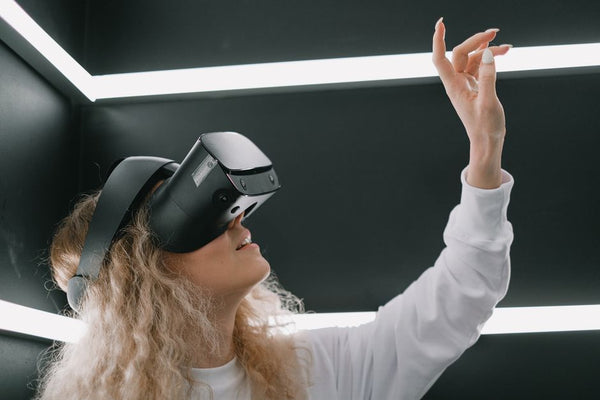
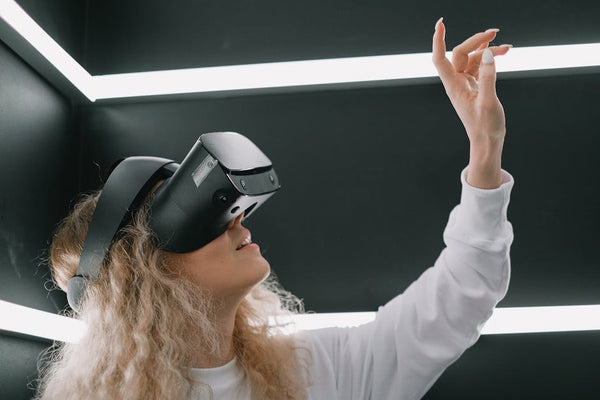
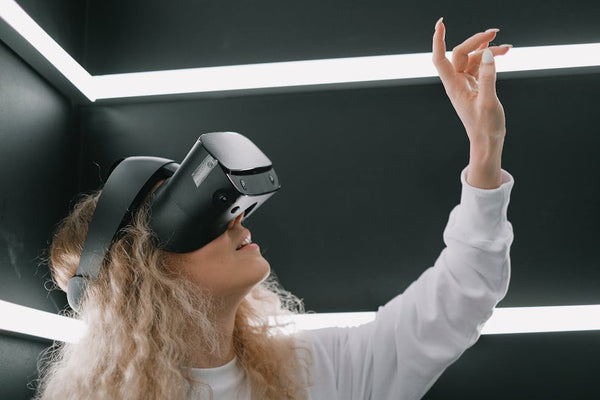
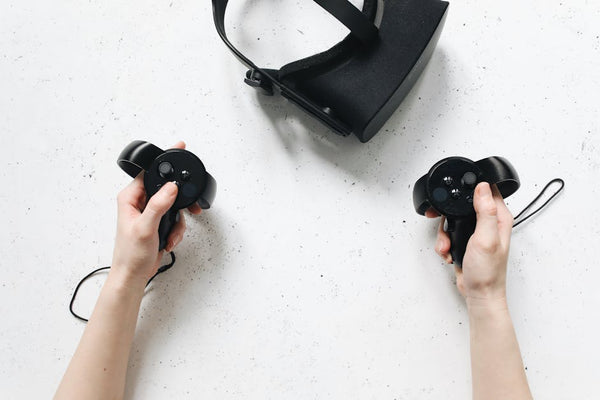
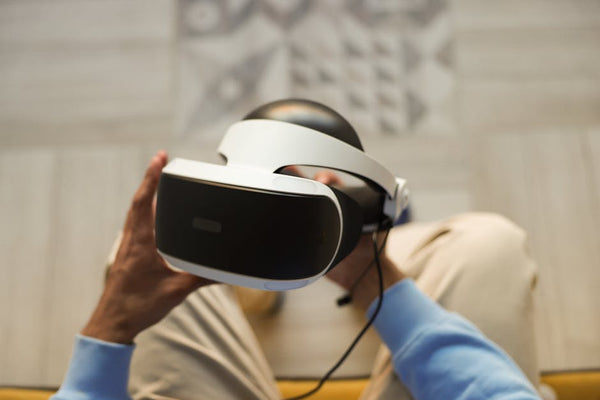
Meta isn't just some social media company anymore. They own Quest headsets. They're pushing VR hard. When they slash workforce to fund AI research, that directly affects gaming tech development in ways most people don't realize.
Think about it. Less manpower for Quest optimization. Fewer engineers working on VR gaming performance. More resources dumped into chatbots and AI features nobody asked for. Personally, I think Meta's priorities are completely backwards right now.
The Quest 3 already struggles with consistent 90fps in demanding games. Beat Saber runs smooth, sure, but try pushing Asgard's Wrath 2 at max settings. Frame drops everywhere. Now they're cutting the teams that could actually fix these performance issues?
What This Means for VR Gaming
VR gaming is already niche. Meta's layoffs signal they're not doubling down on gaming-focused hardware improvements. Instead, they're chasing AI trends that might not even pan out.
Just last week, a customer came into our shop here in Orange, TX asking about VR builds. Wanted something that could handle Quest Link at 120Hz with zero stutters. Had to explain that even a RTX 4080 can't guarantee perfect VR performance because the software optimization just isn't there. These layoffs make that problem worse, not better.
Hot take: Meta should be hiring more gaming engineers, not firing them. The VR market needs killer apps and smooth performance, not another AI assistant.
The AI Investment Gamble
Meta's throwing billions at AI while their core products stagnate. Sound familiar? Remember Google Stadia? Amazon Luna? Big tech companies love chasing the next shiny thing instead of perfecting what they already have.
The irony hits different when you're in the gaming space. Meta's AI investments might help with content moderation or ad targeting, but they're not making games run better. They're not reducing latency. They're not improving the actual gaming experience.
The company needs to "offset the other investments we're making" — but at what cost to actual product quality?
Meanwhile, NVIDIA's crushing it with DLSS 3. AMD's pushing FSR improvements. Intel's Arc cards are finally getting decent. Real gaming technology advances are happening while Meta reorganizes deck chairs.
Corporate Priorities vs. Gaming Reality
Here's what gets me frustrated. Meta could dominate VR gaming if they focused. The Quest ecosystem has potential. But instead of optimizing for 120Hz gaming or reducing controller latency, they're building AI chatbots for Instagram.
You know what gamers actually want? Consistent frame rates. Lower input lag. Better tracking accuracy. Features that improve competitive gaming performance. Not AI assistants that can write your status updates.
I've built hundreds of gaming rigs, and customers always ask the same questions. "Will this hit 144fps?" "Can I stream without frame drops?" "What's the lowest latency setup?" Nobody's asking for AI integration in their gaming experience.
Market Impact for Gaming Hardware
These layoffs create uncertainty in the VR hardware space. Fewer Quest updates means less pressure on GPU manufacturers to optimize VR performance. That's bad news if you're planning a VR-focused build.
NVIDIA and AMD use VR benchmarks to justify new GPU features. If Meta's scaling back VR development, those optimizations might slow down too. We could see stagnation in VR-specific hardware improvements.
On the flip side, other companies might step up. Apple's Vision Pro is expensive but shows what's possible with proper engineering focus. Valve's working on new VR tech. Maybe Meta's stumble opens doors for companies that actually prioritize gaming performance.
The Broader Tech Industry Signal
Meta's move reflects a bigger trend. Big tech companies are cutting gaming-adjacent teams to fund AI research. Microsoft laid off gaming division employees. Google's constantly reorganizing their hardware teams. Amazon's scaling back gaming investments.
Honestly, this might be good news for smaller gaming tech companies. When the giants lose focus, nimble competitors can grab market share. Look at how Framework laptops gained traction while big manufacturers chased AI laptop gimmicks.
If you're shopping for gaming hardware right now, don't wait for Meta's next VR breakthrough. Build your custom gaming PC around proven technology that exists today. RTX 4070 Ti, Ryzen 7800X3D, fast DDR5 — that's real gaming performance you can count on.
Looking Ahead
Meta's betting their future on AI while neglecting their gaming roots. That's their choice, but it creates opportunities for companies that understand what gamers actually need.
Will their AI investments pay off? Maybe. But in the meantime, VR gaming development slows down, and thousands of talented engineers are looking for new jobs. Some of those engineers might end up at companies that actually care about gaming performance.
The gaming tech landscape keeps shifting. Meta stumbles while others sprint ahead. For us building gaming rigs and chasing that perfect competitive setup, we'll keep focusing on what works: raw performance, low latency, and reliable hardware that delivers when it counts.
































Leave a Comment