


Tennessee Bans Crypto ATMs: What This GPU and CPU Review Tells Us About Tech Safety
Tennessee just followed Indiana's lead. Banned crypto ATMs statewide starting July 1st. Governor signed it into law last week, and honestly? About damn time.
You're probably wondering why I'm talking about crypto ATMs on a tech review site. Simple. The same lack of awareness that lets scammers drain people's bank accounts through these machines is what leaves gamers vulnerable to fake GPU deals and sketchy CPU benchmarks online. We need to connect these dots.
The Scammer's Paradise Problem
Crypto ATMs became what officials call the "payment portal of choice for scammers." No joke. These machines process thousands in fraudulent transactions daily, targeting elderly folks who don't understand crypto but trust technology that looks official.
Sound familiar? It should. Same psychology that makes people fall for those "RTX 4090 for $500" listings on Facebook Marketplace. Or fake CPU benchmark screenshots showing an Intel i5-12400F beating a Ryzen 7 7700X in Cyberpunk 2077. Spoiler alert: that's not happening in real testing.
The tech world thrives on trust. Break that trust? Everything crumbles. When I'm doing GPU reviews or CPU benchmarks, I'm not just testing performance - I'm building credibility in an industry full of snake oil salesmen.
Why Gaming Hardware Buyers Should Care
Here's the connection everyone's missing. Scammers targeting crypto ATM users aren't just random criminals. They're tech-savvy predators who understand how to exploit trust in technology. The same groups running fake crypto schemes are absolutely running fake hardware sales operations.
Last month at our shop here in Orange, TX, a customer brought in what he thought was a "brand new RTX 4070 Super" he bought for $300 online. Turned out to be a GTX 1060 with reflashed BIOS showing fake specs. The seller's payment method? You guessed it - crypto only.
This isn't coincidence. It's strategy.
Real GPU Review Standards vs. Fake Benchmarks
Let me break down how to spot BS in gaming performance claims. Because if you can't identify fake benchmarks, you're probably vulnerable to other tech scams too.
First: frame time consistency matters more than peak FPS. Any GPU review showing only average framerates without 1% and 0.1% lows? Red flag. Real gaming performance includes stutters, frame drops, and worst-case scenarios.
Second: synthetic benchmarks are mostly useless for actual gaming. 3DMark scores look impressive but don't translate to Valorant headshot accuracy or Apex Legends tracking smoothness. When I test graphics cards, I'm running real games at real settings with real monitoring software.
Personally, I think anyone posting GPU benchmarks without showing their full test setup is hiding something. CPU temps, GPU temps, power draw, RAM configuration - show it all or don't show anything.
The CPU Benchmark Reliability Problem
CPU reviews face similar credibility issues. Especially with AMD vs Intel comparisons where fanboys manipulate results to support their preferred brand.
Real talk: the Ryzen 7 7800X3D absolutely dominates gaming workloads, but it's not magic. In productivity tasks? Intel's i7-13700K often performs better. Context matters. Any CPU benchmark review claiming one processor is "universally better" is probably lying or incompetent.
I've seen fake Cinebench R23 scores, doctored Geekbench results, and completely fabricated gaming benchmarks. The techniques scammers use to fake crypto transactions? Same basic principles apply to hardware performance data.
Building Trust in Hardware Reviews
So how do legitimate tech reviewers build credibility? Transparency. Repeatability. Admitting when results don't make sense.
When I'm testing a new graphics card, I run each game benchmark three times minimum. Different times of day, different system states, sometimes even different driver versions. Gaming performance varies more than people realize.
Take the RTX 4060 Ti controversy. Nvidia claimed it was perfect for 1440p gaming. My testing showed it struggling in newer titles at high settings. Do I fudge the numbers to make Nvidia happy? Hell no. Real data beats marketing every time.
Hot take: Most "professional" hardware review sites are too cozy with manufacturers to give honest opinions about gaming performance problems.
But here's where I'll be honest about uncertainty - sometimes hardware behaves weirdly for legitimate reasons. Driver updates, Windows changes, even ambient temperature can affect results. The difference between legitimate reviewers and scammers isn't perfect consistency. It's transparent methodology and willingness to investigate anomalies.
Red Flags in Hardware Marketing
Crypto ATM scammers and fake hardware sellers use similar psychological tricks. Urgency. Limited availability. "Too good to be true" pricing. Sound familiar from those GPU shortage days?
During the mining boom, I saw countless fake RTX 3080 listings. Price just slightly below market value. "Limited time offer." Payment through crypto or untraceable methods. Same playbook, different context.
Legitimate hardware deals exist, but they follow patterns. Seasonal sales, retailer clearances, manufacturer rebates. When MSI wants to move old RTX 4070 inventory, they don't hide behind anonymous crypto transactions.
The Bigger Picture for Gaming Tech
Tennessee's crypto ATM ban represents something bigger than financial regulation. It's about establishing accountability in technology-mediated transactions. The gaming hardware industry needs similar accountability standards.
Why shouldn't GPU manufacturers be required to provide standardized benchmark data? Why do we accept wildly inconsistent performance claims between different reviewers? The crypto world's lack of oversight created the scammer paradise that Tennessee just shut down.
Gaming hardware deserves better standards. When someone's dropping $1600 on an RTX 4090, they should have access to verified, standardized performance data. Not marketing fluff or paid promotional content disguised as reviews.
Ngl, this connects to a broader issue about tech literacy. People who fall for crypto ATM scams often lack the knowledge to evaluate technology critically. Same vulnerability that makes gamers trust obviously fake hardware benchmarks or impossibly cheap graphics card listings.
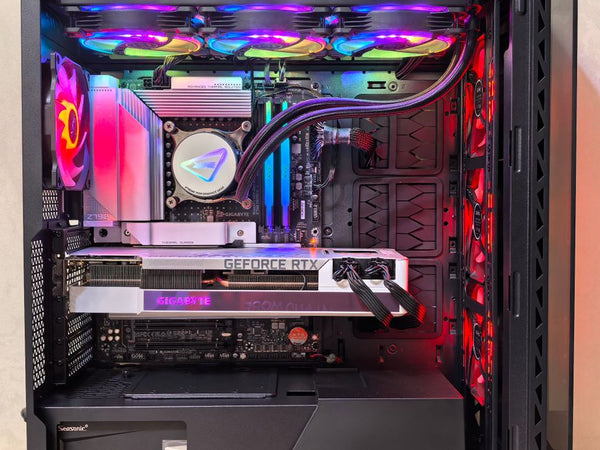
If you want to build your custom gaming PC with BitCrate, understanding these credibility signals becomes crucial. Not just for avoiding scams, but for making smart purchasing decisions based on real performance data.
What's Next for Tech Accountability
Tennessee won't be the last state cracking down on unregulated tech-enabled fraud. Indiana started it, Tennessee followed, and other states are watching closely.
The question becomes: when will similar accountability reach the gaming hardware industry? We've already seen the FTC investigate misleading processor performance claims. Graphics card marketing could be next.
Personally, I think this regulatory attention is overdue. Not because I want government interference in tech, but because industry self-regulation has failed catastrophically. Too many fake reviews, manipulated benchmarks, and outright fraud hiding behind "enthusiast community" credibility.
The crypto ATM crackdown proves that lawmakers are willing to act when technology enables systematic fraud. Gaming hardware manufacturers should take note before similar restrictions land on misleading performance marketing.
Bottom line? Tennessee's crypto ban isn't just about financial crime prevention. It's a preview of how regulators will handle tech-enabled deception across all industries. Including ours.
Time to clean up our act before someone else does it for us. Real benchmarks, honest reviews, transparent methodologies - or face the regulatory consequences that crypto ATM operators just discovered.




















Leave a Comment