


ASML's Lithography Roadmap Explained: What DUV to Hyper-NA Means for Gaming Tech News
Most gamers don't think about lithography when they're fragging in CS2 or pushing for radiant in Valorant. But this tech literally determines whether your next GPU can hit those buttery 360fps frames or if you're stuck with last-gen performance. ASML just dropped their roadmap numbers — 48 EUV systems shipped, €32.7 billion in revenue, and a massive €38.8 billion order backlog — and tbh, this stuff matters way more for gaming than people realize.
See, every single chip in your rig came from machines made by basically one company. ASML owns the lithography game harder than prime s1mple owned HLTV ratings. And their roadmap from current tech to whatever comes after Hyper-NA is going to determine if we get 3nm gaming chips that actually make a difference or if we're stuck waiting another generation.
Why Lithography Actually Matters for Gaming Performance
Real talk — lithography is just fancy laser etching for chips. Think of it like this: you're trying to draw the world's most complex circuit board, but the lines are so small you need special UV lasers to burn the patterns. The smaller and more precise you can make those patterns, the more transistors you can cram into the same space.
More transistors equals better performance. Period.
When I was helping a customer at TieredUp Tech in Orange, TX last month build their custom gaming PC, they asked why they should wait for RTX 50-series instead of grabbing a 4090. The answer? Lithography improvements. TSMC's moving from 4nm to 3nm for next-gen GPUs, and that's only possible because of ASML's EUV machines getting more precise.
Those 48 EUV systems ASML shipped last year? They're probably working on chips that'll be in your 2026 gaming setup right now.
DUV: The Old School Workhorse
Deep Ultraviolet (DUV) lithography is like gaming on a GTX 1060 in 2024. It works, but you're not exactly pushing boundaries. ASML shipped 131 immersion DUV tools, which sounds impressive until you realize these are mainly for older process nodes — think 28nm and above.
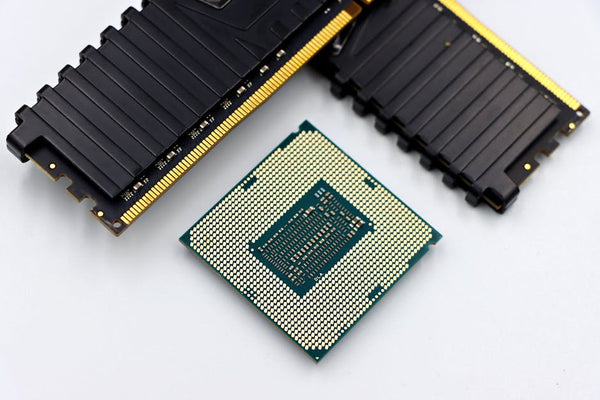
Your current CPU probably has DUV-made components. Most I/O dies, memory controllers, and support chips still use DUV because honestly? You don't need cutting-edge lithography for everything. It's like running Discord and Spotify — you don't need an RTX 4090 for that.
But here's where it gets interesting: DUV is reaching physical limits. You literally can't make features smaller than the wavelength of light you're using. It's basic physics, and physics doesn't care about your 1% lows.
EUV Evolution: From Low-NA to the Future
Low-NA EUV: Current Gaming Technology Foundation
Low-NA (Numerical Aperture) EUV is what's making your RTX 4090 and Ryzen 7800X3D possible. These machines use 13.5nm extreme ultraviolet light to etch features as small as 3nm. That's roughly 20 silicon atoms wide. Insane, right?
Current Low-NA systems can theoretically hit 1.5nm, but realistically they're topping out around 2nm for high-volume manufacturing. That's still enough for significant gaming improvements though. AMD's V-Cache technology? Made possible by EUV stacking. RTX 4090's ridiculous transistor density? Same deal.
The problem is throughput. These machines are slow compared to DUV, which is why high-end gaming chips cost so much. When TSMC can only process a limited number of wafers per hour, guess who gets priority? Not budget gaming parts.
High-NA EUV: The Next Level Gaming Tech
High-NA EUV is where things get spicy. We're talking about machines that cost over $350 million each — more than some esports prize pools for entire decades. But the performance potential? Chef's kiss.
These systems should enable true 1nm processes, which means chips that are literally impossible to make today. Imagine RTX 60-series cards with double the performance per watt, or CPUs that make the 7800X3D look slow. Not marketing fluff — actual architectural improvements enabled by having more transistor budget to work with.
The first High-NA machines are expected to hit production around 2025-2026. That lines up perfectly with next-next-gen consoles and whatever NVIDIA calls their post-Blackwell architecture.
Personally, I think High-NA is going to be the bigger revolution than most people expect. We've been stuck in incremental improvements for years — 10-15% performance bumps generation over generation. High-NA could break that cycle.
Hyper-NA and Beyond: Gaming's Crystal Ball
Hyper-NA is pure speculation territory, but ASML's roadmap suggests they're already thinking about it. We're talking about lithography systems that might not even use traditional UV light. Maybe X-ray lithography, maybe electron beam, maybe something we haven't invented yet.
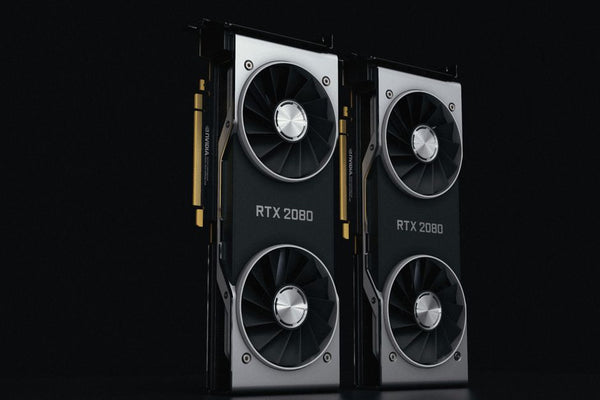
Will this matter for gaming? Absolutely. Think about ray tracing performance today versus five years ago. The RTX 2080 Ti could barely handle RT at 1080p, while an RTX 4070 crushes it at 1440p. That improvement came from manufacturing advances as much as architectural ones.
Hyper-NA could enable chips with specialized RT cores that make current hardware look primitive. Or AI accelerators built into every GPU die. Or processing cores so power-efficient that gaming laptops finally don't throttle under load.
What This Roadmap Means for Your Next Build
Hot take: ASML's lithography roadmap is more important for gaming than anything AMD, Intel, or NVIDIA announces. Those companies design the chips, but ASML's machines determine what's actually possible to manufacture.
That €38.8 billion order backlog? That's basically pre-orders for future gaming performance. Foundries like TSMC and Samsung are betting big on these next-gen lithography tools because they know demand is coming.
Should you wait for High-NA chips before upgrading? Depends on your timeline. If you're building in 2024-2025, current Low-NA EUV chips are going to be solid for years. But if you can hold out until 2026-2027, the performance jump might actually be worth waiting for.
Here's what I'm watching: chip yields on these advanced processes. Right now, cutting-edge nodes have terrible yields, which drives up costs. High-NA should improve that significantly. Better yields mean cheaper high-end gaming chips, which means better performance per dollar for everyone.
The Real-World Impact Timeline
Let's get specific about when this tech hits your Steam library:
2024-2025: Current Low-NA EUV refinements. RTX 50-series, next-gen Radeon, maybe Intel Battlemage if they don't cancel it. Expect 20-30% performance improvements, mostly from architectural changes rather than process improvements.
2025-2027: Early High-NA production. This is where things get interesting for gaming. True 1nm processes, potentially massive power efficiency gains. Your gaming laptop might finally not sound like a jet engine under load.
2027+: High-NA maturity, early Hyper-NA research. We're in science fiction territory here, but chips that make today's hardware look ancient. Think about how a modern phone GPU crushes a PS3 — that level of advancement.
Gaming Technology Reality Check
Honestly, there's a lot of uncertainty in these predictions. Manufacturing is hard, and every process shrink gets exponentially more difficult. We've been hearing about 1nm chips for years, and High-NA might hit the same physics walls that slowed down previous nodes.
Plus, diminishing returns are real. Going from 30fps to 60fps is life-changing. Going from 360fps to 400fps? Not so much. At some point, we're going to need software and game design innovations, not just faster hardware.
But that ASML order backlog suggests the industry thinks otherwise. €38.8 billion doesn't get spent on wishful thinking — that's real money betting on real performance improvements.
The next few years are going to be wild for gaming tech news. We're potentially looking at the biggest generational leap since the move from single-core to multi-core processors. Whether you're team red, team green, or team blue, ASML's lithography roadmap is going to determine how fast your games actually run.
Time to start saving for those next-gen builds. Trust me, you'll want to be ready when High-NA chips finally drop.













Leave a Comment