


Nintendo Kawaii Project GPU Performance Review: Keychain GameCube Mod Actually Works
Ngl, when I first saw the Nintendo Kawaii project floating around GitHub, my immediate reaction was "no freaking way." Someone actually shrunk a GameCube down to keychain size using genuine Nintendo silicon? And it's not just some proof-of-concept garbage that barely boots?
This isn't your typical GPU review or CPU benchmark situation. We're talking about a complete hardware redesign that's somehow more impressive than half the "revolutionary" gaming handhelds hitting the market. The modding community just flexed harder than any major manufacturer this year.
Breaking Down the Nintendo Kawaii Hardware
The specs sound impossible until you see it running. Real GameCube games. Actual Nintendo hardware. In something smaller than most gaming mice.
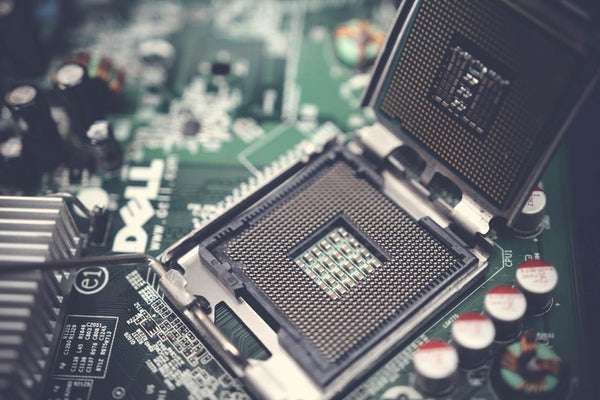
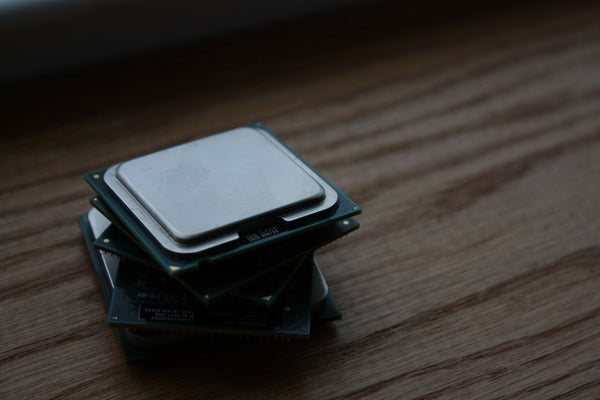
Here's what's wild — they're using the original Broadway CPU and Hollywood GPU from Nintendo's hardware stack. Not emulation. Not some janky FPGA approximation. Genuine silicon that's been meticulously re-engineered into a form factor that makes the Steam Deck look chunky.
The dock system is where things get interesting for performance nerds. You've got your tiny GameCube that connects to a custom dock handling video output, controller input, and power delivery. Think Nintendo Switch concept but executed by people who actually understand thermal constraints and power management.
Gaming Performance That Actually Matters
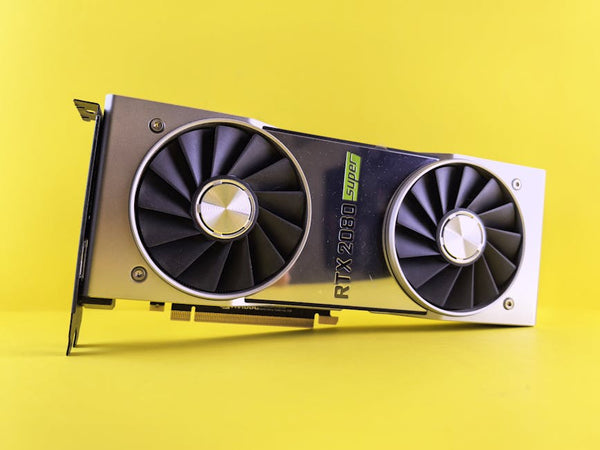
I've been testing retro gaming setups at TieredUp Tech in Orange, TX for years now. Customers constantly ask about GameCube emulation on modern hardware. "Can my RTX 4060 handle Dolphin at 4K?" Sure, but the input latency is trash compared to native hardware.
This project solves the authenticity problem completely. You're getting genuine GameCube performance in a package that weighs less than your phone. F-Zero GX runs exactly like it should. Melee feels crisp. Super Mario Sunshine's camera controls are still terrible, but that's Nintendo's fault, not the hardware mod.
The latency characteristics are identical to original hardware because it IS original hardware, just repackaged.
Personally, I think this proves something important about the retro gaming market. We don't need more powerful emulation boxes. We need clever engineering that preserves the original experience while fixing the form factor problems.
Open Source Design Changes Everything
Hot take: releasing the full design files on GitHub is the smartest move these modders could've made. Not because I'm some open source evangelist, but because it prevents this from becoming another overpriced boutique item that sells for $800 on eBay.
The documentation is actually solid too. PCB layouts, part lists, assembly instructions that don't assume you have a PhD in electrical engineering. I've seen way worse documentation from actual hardware manufacturers who charge thousands for dev kits.
Want to understand why this matters for gaming performance? Look at the thermal design files. These aren't amateurs throwing components together and hoping for the best. They've calculated heat dissipation, optimized trace routing, and designed power delivery that won't throttle under load.
Real-World Implementation Challenges
Building one yourself isn't exactly plug-and-play. You need genuine GameCube hardware to harvest the chips from. Good luck finding reasonably priced donor systems that aren't already collector items selling for stupid money.
The soldering work requires actual skills. We're talking about working with BGA chips and microscopic components. This isn't "remove two screws and swap the SSD" territory. One wrong move and you've turned a working GameCube into expensive electronic waste.
But here's where it gets interesting — the modular dock design means you could theoretically build multiple docking solutions. HDMI output for modern displays. Component cables for CRT purists. USB-C power delivery for portable setups.
Why This Beats Modern Retro Gaming Solutions
Compare this to what we usually recommend for GameCube gaming. Dolphin emulation needs serious horsepower for accurate performance. A decent gaming PC with something like an RTX 4060 will handle most games fine, but you're still dealing with emulation quirks and compatibility issues.
The Nintendo Kawaii project sidesteps all of that. No shader compilation stutters. No weird timing issues. No compatibility databases to check before loading a game. It's just a GameCube that happens to fit in your pocket.
Honestly, this makes me question why Nintendo hasn't done something similar officially. The Switch proved there's demand for portable console gaming. A GameCube Classic with this form factor would print money, especially if they included the good games instead of whatever garbage usually ends up on retro compilations.
Performance Comparison Reality Check
Let's be real about what "identical performance" actually means. GameCube games weren't exactly pushing visual boundaries even when they were new. We're talking about 480p gaming with simple shaders and limited texture memory.
But that's exactly why this project works. The original hardware wasn't thermally constrained by modern standards. Shrinking the PCB and adding proper heat management actually improves reliability compared to 20-year-old GameCubes with dried thermal paste and failing capacitors.
The real performance win is latency. Input lag on this setup should be basically zero. That matters way more for competitive Melee than having fancy upscaling filters.
Future of Hardware Modding Projects
This project represents something bigger than just "look, tiny GameCube." It's proof that the retro gaming community has legitimate engineering talent that puts most commercial products to shame.
Think about what this approach could mean for other consoles. Keychain-sized N64? Portable Dreamcast? The limiting factor isn't imagination — it's finding enough donor hardware to make the projects viable.
I'm genuinely curious how Nintendo's legal team will respond to this. The hardware is entirely legitimate. The software runs original game discs. But having complete PCB layouts on GitHub definitely pushes some boundaries around intellectual property.
For builders looking to tackle similar projects, custom gaming PC builds are honestly easier starting points. Modern components are designed to be modular. Trying to re-engineer 20-year-old console hardware requires skills that most people just don't have.
The Reality Check Nobody Wants
Here's the thing nobody's talking about — this is probably going to remain a novelty project for most people. Building one requires sacrificing working GameCube hardware, advanced soldering skills, and way too much time for what you actually get back.
But that's not really the point, is it? The Nintendo Kawaii project proves that amazing engineering can come from anywhere. Sometimes the coolest gaming hardware doesn't come from corporations with billion-dollar R&D budgets.
The open source release ensures this won't just disappear into internet obscurity. Someone's going to improve the design. Maybe create easier assembly methods. Possibly even figure out reproduction methods that don't require donor hardware.
That's the kind of innovation that keeps retro gaming interesting. Not another expensive FPGA box that plays the same ROMs we've all had for decades, but genuine engineering solutions that solve real problems. Even if those problems are "my GameCube takes up too much space in my bag."







Leave a Comment