


Gaming PC Build Considerations When Your State Decides VPNs Are Somehow Everyone Else's Problem
So Utah just became the first state to hold websites liable when users mask their location with VPNs to bypass age verification. Wild, right? Senate Bill 73 officially kicks in May 6th, and honestly, as someone who's been building custom gaming PCs for years, this has me thinking about how digital privacy intersects with our hobby in ways most people don't consider.
Here's the thing that's bugging me. I had this customer last month at our Orange, TX shop who was super paranoid about online privacy. Kid was maybe 17, wanted to build a solid gaming rig, but spent half our consultation asking about VPNs and how to stay anonymous online. Now I'm wondering how many young gamers are going to get caught in Utah's weird legal crosshairs.
Why This Gaming PC Build Discussion Matters More Than You Think
Look, when you're planning a custom gaming PC build, you're not just picking components. You're creating a digital hub for everything you do online. Gaming. Streaming. Shopping for more RGB because apparently we never have enough. And yeah, sometimes using VPNs for legitimate privacy reasons.
The Utah law targets age verification bypassing, but it's got this massive gray area that could affect anyone using a VPN for normal reasons. What happens when you're trying to access your Steam library while traveling? Or when you want to protect your connection on public WiFi at a gaming café?
Personally, I think this sets a dangerous precedent. We're essentially telling websites they need to become digital detectives, figuring out who's using VPNs and why. That's not how the internet should work.
The Real Impact on Gaming Communities
Gaming communities are global. Period. I've helped configure builds for streamers who regularly connect with international audiences, competitive players who travel for tournaments, and content creators who work with teams across multiple time zones.
VPNs aren't just for shady stuff. They're tools for:
- Protecting your connection when gaming on hotel WiFi
- Accessing region-locked content legitimately
- Maintaining privacy from ISP throttling during heavy gaming sessions
- Protecting against DDoS attacks during competitive play
But now Utah's saying websites need to police this. How exactly?
Building Your Gaming PC With Privacy in Mind
This whole situation got me thinking about hardware choices differently. When someone asks me about a PC build guide now, I'm considering the digital privacy angle more than I used to.
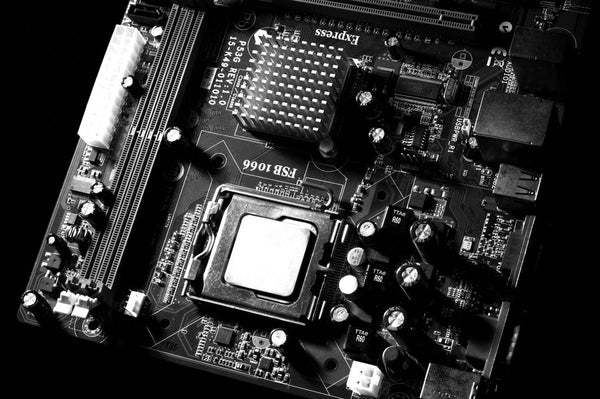
Your motherboard choice matters for more than just performance. Are you getting one with built-in WiFi that supports the latest security protocols? Your network adapter isn't just about ping anymore – it's about protecting your data.
Hot take: If you're building a gaming PC in 2024 and you're not thinking about digital privacy, you're missing a huge piece of the puzzle.
I had this customer recently – college student building their first real gaming rig. Budget was tight, around $800 total. We could've gone cheaper on the motherboard, but I pushed them toward one with better security features. Why? Because privacy shouldn't be a luxury feature.
Component Choices That Actually Matter for Privacy
Here's something most PC build guides won't tell you: your hardware choices can impact your digital footprint. Cheap network cards often have firmware that's rarely updated. That's a security risk waiting to happen.
When I'm helping someone build their custom gaming PC with BitCrate, we talk about more than just frames per second. We discuss network security, firmware support timelines, and yes, how their setup handles VPN connections.
Your router matters too. Gaming routers with VPN support built-in? They're not just marketing gimmicks anymore. They're becoming necessities for maintaining privacy while gaming.
What Gamers Actually Need to Know
The Utah law is weird and problematic, but it's probably not going away. So what does this mean for your gaming setup?
First, understand that this isn't really about age verification. It's about control. When governments start regulating how people can mask their location online, that affects everyone who values privacy.
Second, your gaming PC build should include privacy considerations from day one. Not just because of laws like Utah's, but because protecting your digital life is smart computing.
I'm honestly torn on parts of this. Age verification for certain content? That makes sense. But making websites liable for users' VPN usage? That's like holding car dealerships responsible when someone speeds.
The Gaming Industry's Response (Or Lack Thereof)
Gaming companies haven't said much about Utah's law yet. Probably because they're still figuring out what it means for their platforms. Steam, Epic, Discord – they all serve millions of users who legitimately use VPNs.
Will we see gaming platforms start blocking VPN traffic entirely? Will they implement invasive verification systems that make logging in a nightmare? Nobody knows yet.
What I do know is that gamers shouldn't have to choose between privacy and access to their favorite platforms.
Building Smart in an Increasingly Complicated World
When someone comes into our shop asking for a custom gaming PC build, the conversation has evolved beyond "how many FPS in Cyberpunk?" We're talking about digital rights, privacy tools, and how to future-proof against increasingly weird legislation.
Your gaming PC isn't just a gaming PC anymore. It's your digital headquarters. Your streaming setup. Your communication hub with friends worldwide. And now, apparently, something you need to consider in the context of state laws about location masking.
The Utah law goes into effect May 6th, but this is just the beginning. Other states are watching. The gaming community needs to start paying attention to these digital rights issues, because they're going to affect how we build, configure, and use our systems.
So yeah, keep focusing on those GPU benchmarks and CPU specs. But also think about the bigger picture. Because the internet we game on today might not be the same one we're using tomorrow, and your PC build guide should account for that reality.












Leave a Comment