


AMD EXPO 1.2 Tech News: Chinese Memory Support Lands But Zen 6 Might Be the Real Game Changer
AMD just dropped EXPO 1.2, and honestly? It's one of those updates that sounds bigger than it actually is. The headline feature is support for three new Chinese memory vendors, which is cool for market competition and all that. But if you're sitting there waiting for your 1% lows to magically improve, you might want to pump the brakes.
Let's break down what this gaming technology update actually means for your rig and why your Zen 4 build probably won't see the massive gains you're hoping for.
What's Actually New in AMD EXPO 1.2
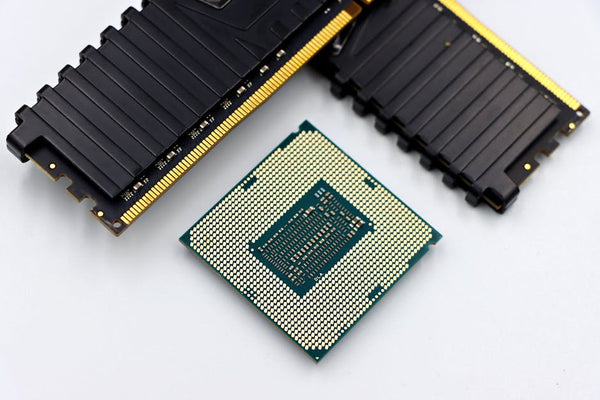
EXPO 1.2 isn't reinventing the wheel here. AMD's basically expanding their memory compatibility list to include three Chinese manufacturers. We're talking about companies like COLORFUL, Kingmax, and V-Color getting official EXPO certification for their DDR5 kits.
The tech itself? Same overclocking profiles, same one-click memory tuning we've had since EXPO launched. What changes is AMD's validation process now covers more manufacturers. That's it.
Third-party leakers have been sharing details about improved memory training algorithms, but tbh, these tweaks are microscopic. We're not talking about the kind of changes that'll bump your Valorant FPS from 400 to 500. More like 400 to 402.
Chinese Memory Vendors Enter the Chat
Here's where things get interesting from a market perspective. Adding support for Chinese memory vendors isn't just about giving gamers more options. It's about AMD hedging their bets against potential supply chain issues.
Remember when RAM prices went absolutely bonkers in 2021? Yeah, that. Having more certified vendors means better availability and potentially better pricing down the line. Will it matter for performance? Probably not much right now.
The memory chips themselves are still coming from Samsung, SK Hynix, or Micron anyway. These Chinese companies are mostly assembling modules and slapping their own heat spreaders on them. Nothing wrong with that, but don't expect revolutionary performance gains just because the label says something different.
Why Your Zen 4 Build Won't See Massive Gaming Performance Gains
Hot take: EXPO 1.2 is essentially meaningless for current Zen 4 users. Your 7800X3D isn't suddenly going to become a frame rate monster because AMD added support for more memory vendors.
The real bottleneck isn't EXPO profiles or memory compatibility. It's the memory controller itself. Zen 4's Integrated Memory Controller (IMC) is decent, but it's not pushing boundaries. Most kits can already hit DDR5-6000 with EXPO 1.1, and that's pretty much the sweet spot for current Ryzen processors.
I've been helping customers at our shop in Orange, TX configure their AM5 builds, and the story is always the same. DDR5-6000 with tight timings beats DDR5-7200 with loose timings in most games. The new vendor support doesn't change this fundamental reality.
Memory Training Improvements Are Real But Tiny
AMD did make some tweaks to their memory training algorithms. The new EXPO 1.2 profiles supposedly have better stability and faster boot times. In practice? We're talking about shaving maybe 2-3 seconds off your POST time.
For gaming, the improvements are even smaller. Maybe you'll see a 1-2% bump in memory-sensitive scenarios. But if you're already running properly tuned DDR5-6000, you're not missing out on anything significant by sticking with EXPO 1.1.
The memory controller is the real limiting factor here, not the EXPO profiles or vendor support.
Zen 6: Where the Real Action Might Happen
Here's where things get spicy. Industry sources suggest Zen 6 is getting a completely redesigned memory controller. We're talking about native support for DDR5-8000+ speeds and potentially DDR6 compatibility.
That's when EXPO 1.2's expanded vendor support could actually matter. More manufacturers means more high-speed kits, which means better pricing on the bleeding-edge memory that Zen 6 might actually be able to use effectively.
Personally, I think AMD is playing the long game here. EXPO 1.2 isn't about improving today's performance. It's about building the ecosystem for tomorrow's processors.
DDR6 Support Rumors
Speaking of tomorrow's processors, DDR6 is lurking on the horizon. JEDEC hasn't finalized the standard yet, but early specs suggest speeds starting at DDR6-8400. That's where having multiple memory vendors could actually impact performance.
Will Zen 6 launch with DDR6 support? Nobody knows for sure, but the timing could line up. AMD's historically been more aggressive than Intel about adopting new memory standards, so don't be surprised if they jump on DDR6 early.
Should You Care About EXPO 1.2 Right Now?
Short answer? Not really. If you're building a new AM5 system today, just grab a solid DDR5-6000 kit from G.Skill, Corsair, or Kingston and call it a day. The brand new Chinese vendor support isn't going to change your gaming experience.
Longer answer? It depends on your priorities. If you care about market competition and want to support new players in the memory space, then sure, consider these newly certified kits. Just don't expect performance miracles.
The one scenario where EXPO 1.2 might matter is if you're planning to keep your AM5 motherboard for years and upgrade to Zen 6 later. Having broader memory vendor support could mean better kit availability when those new processors drop.
Pricing and Availability Reality Check
Let's talk money. The Chinese memory vendors aren't automatically cheaper than established brands. V-Color and COLORFUL kits are priced competitively, but they're not undercutting G.Skill by massive margins.
Where you might see savings is in availability during supply crunches. More vendors means more production capacity, which theoretically keeps prices stable during high demand periods. But for day-to-day purchasing? The savings are pretty minimal.
Also worth considering: warranty and support. The big-name memory companies have established RMA processes and customer service. The newer players are still building that infrastructure.
The Gaming Performance Reality
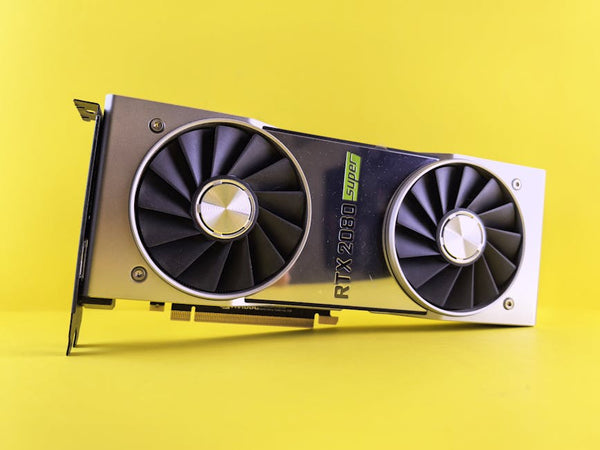
Let's get real about what actually impacts your FPS. Memory speed matters, but it's not the biggest factor in most games. Your GPU is still king, followed by CPU choice, then memory speed way down the list.
In Cyberpunk 2077 at 1440p, the difference between DDR5-5200 and DDR5-6000 is maybe 3-5 FPS on a 7800X3D. EXPO 1.2 isn't going to magically add another 10 FPS on top of that.
Competitive games like Valorant and CS2 are slightly more memory-sensitive, but we're still talking about tiny differences. If you're struggling to hit high refresh rates, upgrading from a 6700 XT to a 7800 XT will help way more than switching memory vendors.
The one area where memory speed actually matters is in CPU-bound scenarios with lots of cache misses. But guess what? The 7800X3D's massive L3 cache makes this largely irrelevant anyway.
Future-Proofing Considerations
Here's the thing I'm genuinely uncertain about: how much will memory vendors matter when Zen 6 drops? If AMD really does redesign their memory controller, we could see much bigger performance differences between memory kits.
Right now, most DDR5 performs similarly once you hit that DDR5-6000 sweet spot. But if Zen 6 can actually utilize DDR5-8000+ effectively, then having more vendors producing high-speed kits becomes important.
The question is timing. Will these Chinese vendors be ready with cutting-edge kits when Zen 6 launches? Or will they stick to mainstream speeds while Samsung and Micron push the boundaries?
Honestly, it's too early to know. But if you're planning to build your custom gaming PC and keep it for 4-5 years, broader vendor support isn't the worst thing to have in your corner.
The Real Winner: Market Competition
The biggest benefit of EXPO 1.2 isn't performance gains. It's market competition. More certified vendors means Samsung, SK Hynix, and Micron can't just set whatever prices they want for high-performance memory.
Competition drives innovation. Maybe these new players will push for better heat spreaders, RGB implementations, or just more aggressive pricing. That benefits everyone, even if the immediate performance impact is minimal.
Plus, having options is never bad. Different vendors might excel in different areas. Maybe one has better low-latency tuning, while another focuses on peak bandwidth. More choice means better optimization for specific use cases.
EXPO 1.2 might be a small update today, but it's setting the stage for a more competitive memory market tomorrow. And when Zen 6 finally arrives with its rumored memory improvements, we'll all benefit from having more vendors pushing the envelope on high-speed DDR5 and potentially DDR6 kits.







Leave a Comment