


Yu-Gi-Oh Meta Decks Worth Building Right Now
Look, I've been slinging cards almost as long as I've been building PCs, and I'm gonna be real with you — the Yu-Gi-Oh meta is absolutely wild right now. Between the January 2024 banlist dropping some game-changing hits and new support cards shaking things up, there's never been a better time to invest in a competitive deck. But here's the thing: not every "meta" deck is worth your hard-earned cash.
I was helping a customer at our shop in Orange, TX last week configure their new BitCrate Custom Gaming PC when they mentioned dropping $800 on a Yu-Gi-Oh deck that's already falling off. Don't be that guy.
The Current Yu-Gi-Oh Meta Landscape
The trading card game scene is straight-up chaotic right now, and I mean that in the best way possible. We've got Kashtira still dominating despite the hits, Purrely being absolutely busted in the right hands, and some sleeper picks that are genuinely underrated. The meta isn't as solved as people think it is.
Honestly? This reminds me of when RTX 4090s first dropped and everyone was scrambling to figure out which AIB cards were actually worth it. Same energy, different hobby.
What Makes a Deck "Meta-Worthy" in 2024?
Before we dive into specific builds, let's talk about what actually matters. A meta deck needs three things: consistency, power ceiling, and adaptability. If your deck can't handle disruption, it's not meta. Period.
The current format rewards decks that can play through multiple handtraps while still establishing meaningful boards. Think about it like building a gaming rig — you want parts that work well together AND can handle whatever gets thrown at them.
Tier 1: The Heavy Hitters
Kashtira - The Unstoppable Force
Even after getting hit harder than a graphics card during the crypto boom, Kashtira is still absolutely nutty. The deck's ability to banish face-down while building massive boards is genuinely oppressive when piloted correctly.
The core engine runs about $350-400 if you're buying smart, and that's including the Kashtira monsters, Pressured Planet Wraitsoth, and the essential Xyz monsters. Kashtira Fenrir alone is worth the investment — this card is so good it's seeing play in basically every deck that can fit it.
Pro tip: Kashtira Unicorn at $45 per copy hurts the wallet, but it's literally the deck's win condition. No budget alternatives here, bro.
What makes Kashtira so resilient? The deck doesn't rely on a single chokepoint. Sure, you can Ash the Riseheart, but good Kashtira players have like six different lines of play. It's like having backup PSUs for your backup PSUs.
Purrely - The Surprise Package
Ngl, when Purrely first got announced, I thought it was gonna be casual jank. Boy was I wrong. This deck is lowkey broken when you understand the lines, and it's significantly cheaper than most tier 1 options.
The entire core costs maybe $200-250, which is insane for a deck that can consistently top regional events. Purrely Delicious Memory and Purrely Pretty Memory are your main investments at around $25-30 each, but everything else is surprisingly affordable.
Here's what's wild about Purrely: it doesn't look threatening. Your opponent sees cat girls and thinks "cute pet deck," then suddenly they're staring down a board they can't break through multiple Quick Effects. The psychological factor is real.
Tier 1.5: The Sleeper Hits
Branded Despia - The Technical Choice
Personally, I think Branded is being slept on hard right now. Yeah, it lost some power after the banlist, but the deck's fundamental game plan is still incredibly strong. Plus, with everyone preparing for Kashtira and Purrely, Branded can catch people completely off-guard.
The Branded engine itself is surprisingly cheap — most of the cost comes from staples you'll want anyway. Branded Fusion is down to like $8, Albion the Branded Dragon is around $15, and even Mirrorjade the Iceblade Dragon has dropped to reasonable levels.
What I love about Branded is the skill expression. There's genuine decision-making involved in sequencing your plays, unlike some decks that basically play themselves. It reminds me of optimizing cooling curves — looks simple on the surface, but there's real depth if you dig in.
Spright - The Value Pick
Hot take: Spright is still good, people just moved on too quickly. The deck got neutered pretty hard by the banlist, sure, but it's adapted surprisingly well. More importantly, you can build a functional Spright deck for like $150-200 if you're smart about it.
Spright Elf is still banned (and honestly, good riddance), but the deck has found new ways to function. The Xyz climbing game plan is still solid, and cards like Gigantic Spright haven't lost any of their power.
Is it tier 1? Probably not. But for locals and casual competitive play? It's genuinely solid value.
Budget Considerations and Market Timing
Look, I get it. Not everyone can drop $400 on cardboard, especially when you're also trying to upgrade your gaming setup. But here's the thing about Yu-Gi-Oh: timing your purchases matters just as much as which deck you choose.
Card prices fluctuate more than GPU prices during a shortage. Kashtira Fenrir was $80+ at peak hype, now it's settling around $35-40. That's like waiting for RTX prices to normalize instead of panic-buying at launch.
When to Buy vs When to Wait
Pre-order prices are almost always inflated. Wait 2-3 weeks after a set drops for prices to stabilize. Exception: if a card is getting reprinted soon, buy the reprint, not the original.
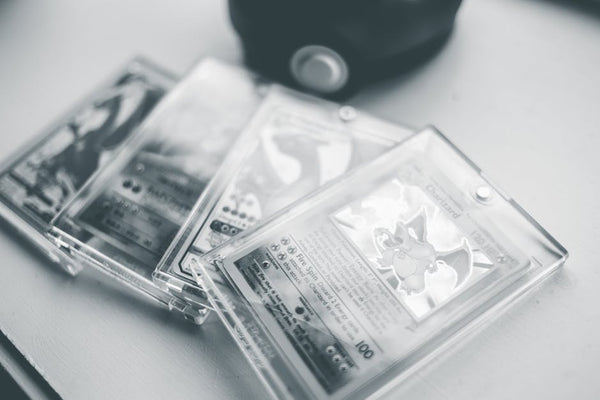
Also, consider the Pokemon TCG market as a comparison point. When Pokemon cards spike, Yu-Gi-Oh prices often dip slightly as collectors shift focus. It's weird market psychology, but it's real.
Deck Building Philosophy in 2024
The handtrap game has never been more important. Every competitive deck needs to run at least 9-12 handtraps in the current meta, and that's not negotiable. Ash Blossom, Infinite Impermanence, and Nibiru are basically mandatory.
Here's where deck building gets interesting though: you can't just copy-paste a decklist from three months ago and expect it to work. The meta shifts constantly, and your handtrap suite needs to adapt accordingly.
Facing lots of Purrely? Max out on Droll & Lock Bird. Kashtira giving you trouble? Dimension Shifter becomes a consideration. It's like tweaking your PC's fan curves based on what games you're playing.
The Side Deck Meta Game
Your side deck is arguably more important than your main deck right now. Best-of-three matches are decided by who adapts better game two and three, not who has the stronger opening hand game one.
Cards like Super Polymerization and Evenly Matched are meta calls that can completely swing matchups. But you need to understand your local scene — what works at a regional in Dallas might be completely wrong for your locals in Orange, TX.
Future-Proofing Your Investment
Here's something most content creators won't tell you: don't chase the absolute best deck if you're not competing at the highest level. Chase the deck with the most stable core cards that won't get hit by future banlists.
Kashtira is amazing right now, but it's also the most likely to eat banlist hits. Branded has already survived multiple rounds of restrictions and keeps finding ways to remain relevant. That's the kind of staying power you want in a long-term investment.
Think about it like building a gaming PC for the next five years. You don't buy the absolute bleeding-edge stuff that'll be obsolete in six months — you buy the high-end components with proven longevity.
The meta's gonna keep evolving, new sets will drop, and power creep will continue. But solid fundamentals? Those never go out of style. Whether you're running Kashtira's banish game or Purrely's grind strategy, focus on learning the core concepts that'll transfer to whatever comes next. Your wallet and your win rate will thank you.




































Leave a Comment