


Pokemon TCG Investing: Which Cards Hold Their Value Like Blue-Eyes White Dragons?
Real talk? Pokemon TCG investing isn't just about catching 'em all anymore. It's become like hunting for that perfect RTX 4090 during the crypto boom — everyone wants in, prices are wild, and you need insider knowledge to avoid getting burned.
I've been watching the Pokemon card market longer than I've been tracking GPU prices, and honestly, the parallels are insane. Just like how a GTX 1080 Ti still holds decent value years later while some newer cards tank, certain Pokemon cards maintain their worth while others become digital paperweights.
The Holy Grail Cards That Never Depreciate
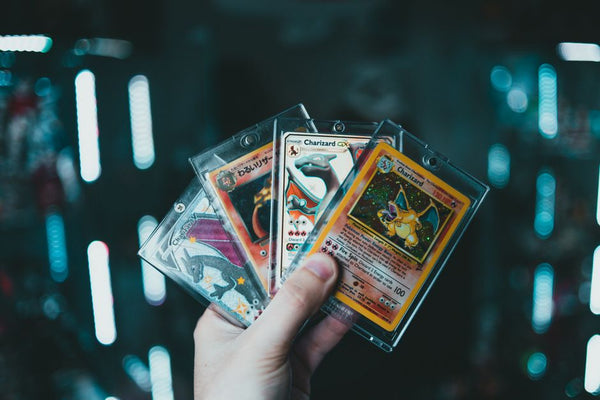
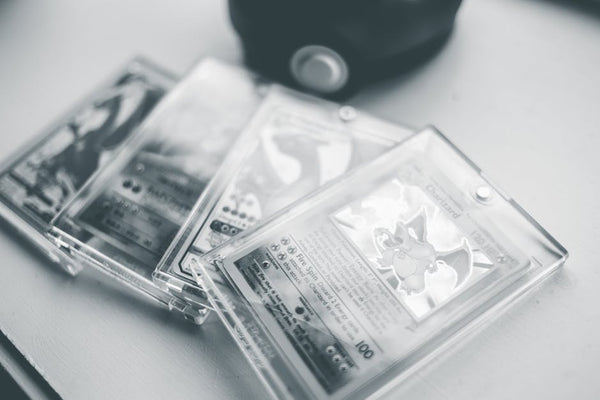
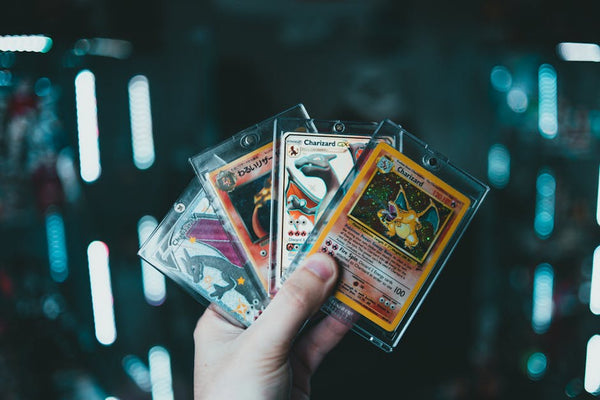
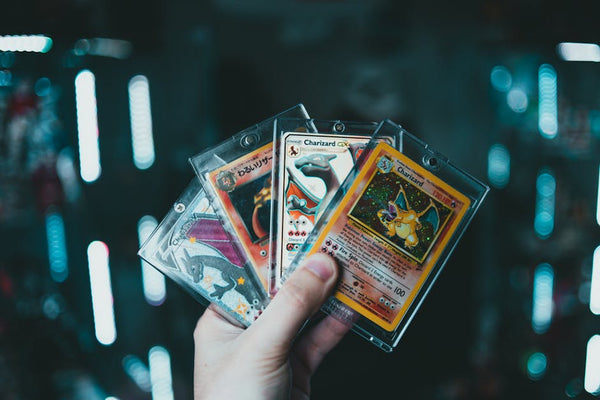
Base Set cards are the i7-4790K of Pokemon — they just won't quit. That Base Set Charizard? Still pulling $6,000+ in PSA 10 condition. Why? Same reason people still pay premium for vintage hardware. Nostalgia hits different.
First edition shadowless cards are basically the equivalent of finding a sealed Voodoo 5 6000. They're not just rare — they're mythical. The Pokemon TCG market treats these like NFTs before NFTs existed, except these actually hold value.
But here's where it gets spicy. Japanese cards often outperform their English counterparts. It's like comparing a Japanese Civic Type R to the USDM version — same car, but collectors go crazy for the JDM variant. Japanese Base Set Charizard in mint condition? You're looking at $20,000+ easy.
Trophy Cards: The EVGA Kingpin of Pokemon
Trophy cards are where the real money lives. These aren't just rare — they're "won at official tournaments" rare. Think of them like limited edition hardware that only pros could get.
The 1998 Pokemon Japanese Promo Trophy Pikachu Gold recently sold for $300,000. Three hundred thousand. That's more than most people's houses! It's the trading card game equivalent of owning the prototype GPU that never made it to market.
Modern Sets: Separating the Keepers from the Bulk
Modern Pokemon cards are trickier than predicting which GPU architecture will age well. Some are absolute bangers, others are mid at best.
Hidden Fates shiny cards? Solid investment. The shiny Charizard GX still commands $400+ in perfect grade. It's like buying a 3080 at MSRP during the shortage — good move that pays off later.
Personally, I think Champions Path was overhyped garbage. Everyone chased that rainbow Charizard like it was the RTX 3090 Ti of cards, but the set had terrible pull rates and mediocre chase cards. The hype died faster than cryptocurrency mining profitability.
Japanese vs. English: The Region Lock Dilemma
Japanese sets consistently outperform English versions in the long run. Japanese cards have better quality control, smaller print runs, and that premium feel collectors crave. It's like comparing a Japanese mechanical keyboard to a mass-market membrane board — both work, but one clearly costs more for a reason.
But don't sleep on English cards entirely. Crown Zenith Charizard still holds decent value, and English cards are more accessible to Western collectors. Sometimes the easier option isn't the worst choice.
Grading: Your PSA Score Matters More Than Your Credit Score
Ungraded cards are like used GPUs without benchmarks — nobody knows what they're really worth. PSA 10 cards command 5x-10x the price of raw cards, sometimes more.
Here's the thing though. Grading costs money and time. PSA charges $20-50 per card depending on turnaround time, plus shipping both ways. You're looking at $30-60 investment per card before even knowing the grade. It's like paying for premium thermal paste — sometimes worth it, sometimes overkill.
A PSA 9 Base Set Charizard sells for around $2,000-3,000. That same card in PSA 10? $6,000+. That's the difference between a 3080 and a 4090 in terms of price jump.
CGC and BGS are alternatives to PSA, but PSA dominates the market like Nvidia dominates high-end GPUs. BGS 10 Black Label cards can actually outperform PSA 10s, but they're rarer than finding RTX cards at MSRP during 2021.
The Speculation Game: Reading Market Trends
Pokemon card prices move like crypto — volatile, unpredictable, and driven by FOMO. Logan Paul buying a box on stream can spike prices 50% overnight. It's wild.
Hot take: Most modern special sets are pump-and-dump schemes disguised as collectibles. Pokemon Company prints "limited" editions that aren't actually limited, banking on artificial scarcity. Don't fall for it like people fell for scalped PS5s.
Watch for reprints too. When Pokemon announces a Classic Collection reprint, original prices tank faster than GPU prices when mining dies. Smart money moves before the announcement, casual collectors get burned.
Timing the Market (Spoiler: You Can't)
I've seen people at our shop in Orange, TX try to time Pokemon card purchases like they're day trading stocks. Usually doesn't end well. The best strategy? Buy what you love, not what some YouTuber says will moon.
Gary Vee made Pokemon cards trendy again around 2020, driving prices absolutely bonkers. Base Set boxes that cost $3,000 in 2019 hit $10,000+ at peak hype. Now they're settling around $6,000-7,000. Still up, but not stupidly inflated.
Red Flags: When Cards Lose Value Fast
Overprinted sets are value killers. Battle Styles had more print runs than Windows 10 licenses — everywhere and worth nothing long-term. Same with Shining Fates after the initial hype died.
Promo cards from McDonald's or cereal boxes? Hard pass for investment purposes. They're fun for collectors but have zero investment potential. It's like buying a pre-built gaming PC from Best Buy — functional but not valuable.
Cards with major condition issues won't recover value no matter how rare they are. A creased Base Set Charizard is still creased, regardless of nostalgia. Would you buy a broken 4090? Same logic applies.
Building Your Pokemon Portfolio
Diversification matters in Pokemon TCG just like PC builds. Don't go all-in on Charizards — spread risk across different eras and card types.
My personal strategy? 60% vintage (Base Set through Neo series), 30% modern chase cards, 10% speculation on upcoming releases. It's worked better than my stock picks, ngl.
Consider Japanese cards for serious investment. Higher barrier to entry means fewer casual speculators, and Japanese collectors are die-hard about condition and authenticity. Plus, yen exchange rates can work in your favor.
Are Pokemon cards a better investment than crypto or stocks? Honestly, I have no clue. But they're way more fun to look at than a Coinbase portfolio, and you can actually hold them without worrying about exchange hacks. The Pokemon TCG market keeps surprising everyone — just like GPU launches, nobody really knows what's coming next.
The smart money isn't chasing the latest hype card. It's buying quality vintage pieces while everyone else fights over whatever Logan Paul opened last week. That Base Set Blastoise you ignored? Probably a better long-term play than whatever's trending on TikTok today.










Leave a Comment