


Pokemon TCG Investing: Which Cards Actually Hold Their Value When the Hype Dies Down?
Remember when everyone and their grandmother was buying Pokemon cards in 2020? I watched customers drop $500 on booster boxes like they were picking up a six-pack. The Pokemon TCG investing craze was wild, and honestly? Most people had no clue what they were doing.
Here's the thing about card investing that nobody wants to tell you: it's not as simple as "Pokemon card goes up." After watching the market for years and helping countless customers navigate the trading card game waters, I've learned which cards actually maintain their value and which ones are basically expensive cardboard.
The Golden Rule: Playability Beats Everything
Want to know the difference between a solid investment and a total bust? Look at whether people actually play with the card. Sure, that rainbow rare Charizard looks pretty, but if it's not seeing tournament play, its value is basically riding on nostalgia and FOMO.
Take Arceus V from Brilliant Stars. This card was $15 when it dropped. Why? Because every competitive deck was running multiple copies. It wasn't the flashiest card in the set, but demand from actual players kept the price steady even when the initial hype cooled down.
Personally, I think playable Pokemon are the safest bets for anyone serious about Pokemon TCG investing. When a card is tournament viable, you've got consistent demand from people who need it to win games, not just collectors hoping for a quick flip.
Format Staples vs. Rotation Victims
Here's where it gets tricky though. Pokemon rotates their standard format every year, and cards that are must-haves today might be completely worthless tomorrow. Professor's Research was a $20+ card when it was the only good draw support in format. Then they reprinted it. Twice.
The lesson? Don't go all-in on standard staples unless you're planning to sell before rotation. I've seen too many people get burned holding onto cards that went from $30 to $3 overnight.
Vintage Cards: The Real Pokemon TCG Investment Kings
If you want to talk about cards that actually hold value, we need to discuss the original 151. Base Set, Jungle, Fossil - these sets from 1998-1999 are where the serious money lives.
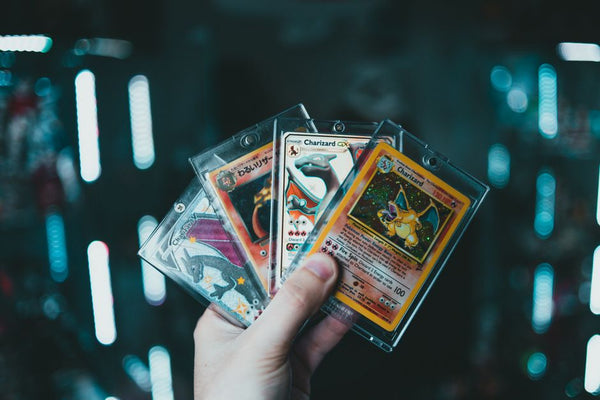
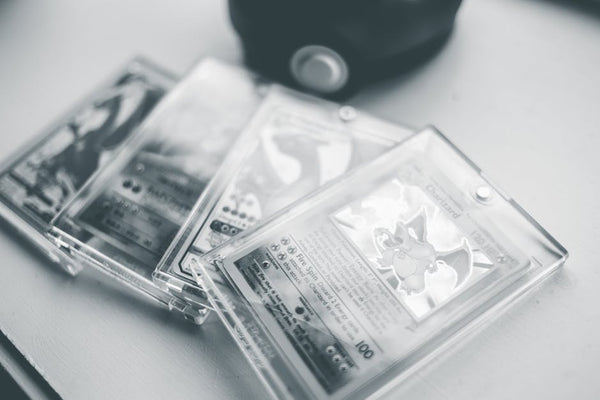
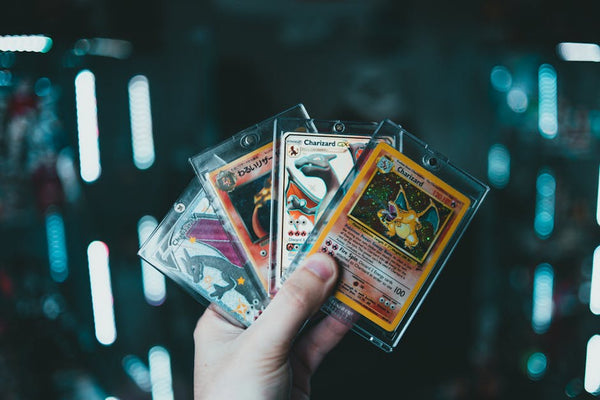
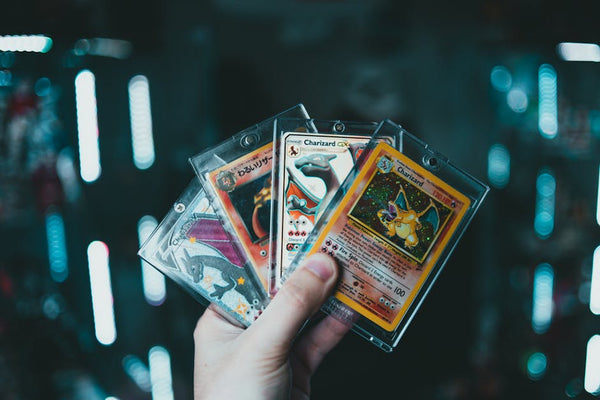
A PSA 9 Base Set Charizard? We're talking $3000-5000 depending on the day. That's not speculation - that's proven track record. These cards have been consistently valuable for over two decades because they tap into something deeper than gameplay mechanics.
But here's the reality check: condition is absolutely everything with vintage Pokemon TCG cards. A played condition Base Set Charizard might sell for $100, while that same card in mint condition could be worth 50 times more. Are you really going to gamble thousands on whether that corner whitening counts as "light play" or "near mint"?
The Grading Game
Speaking of condition - should you grade your cards? This is where I get a bit conflicted. PSA and BGS grading can absolutely increase a card's value, but it's also a $20+ gamble every single time.
I helped a customer at our Orange, TX location who spent $300 grading a collection that came back worth maybe $150. The cards just weren't as mint as he thought. Meanwhile, another customer hit a PSA 10 on a card worth $500 raw that's now valued at $1200 graded.
Hot take: only grade cards you're 99% confident will score 9 or 10. Otherwise you're just paying $20 to potentially tank your card's value.
Modern Sets: Where the Smart Money Goes
Let's be real about modern Pokemon TCG investing. Most new cards are printed into oblivion, so finding actual winners requires strategy.
Secret rares and alternate art cards from premium sets tend to hold value better than regular holos. Why? Limited print runs and collector appeal. That Moonbreon from Evolving Skies? Still sitting pretty at $300+ because it combined low pull rates with incredible artwork.
But here's what really works: targeting cards from sets that had distribution issues. Vivid Voltage had production problems, and several of its chase cards maintained higher prices because there simply weren't enough boxes printed to satisfy demand.
Japanese vs. English: The Collector's Dilemma
Should you invest in Japanese cards? It depends what you're after. Japanese Pokemon TCG cards often have better print quality and lower population numbers, but the English market is way more liquid.
I've seen Japanese promo cards absolutely demolish their English counterparts in terms of value retention. That 25th Anniversary Golden Box? The Japanese version holds value while English boxes can be found below retail.
The downside? Good luck selling Japanese cards quickly unless you know the right communities. English cards move faster but compete with higher supply numbers.
Red Flags: Cards That Look Like Investments But Aren't
Can we talk about the biggest traps in Pokemon TCG investing? Because there are some doozies.
First up: anything from McDonald's promotions. Yes, even the Logan Paul effect couldn't save those cards long-term. They printed millions of them. Your sealed Happy Meal pack isn't retirement money.
Celebrations was another classic trap. Everyone thought 25th anniversary cards would moon forever. Then Pokemon kept reprinting the set for six months straight. Those $80 Celebrations Elite Trainer Boxes? They're $30 now.
Stadium Club cards look amazing but have terrible track records. High pull rates plus niche collector appeal equals slow price bleeding. Unless you're buying for personal collection, skip these.
The Unsealed Truth About Booster Boxes
Everyone asks about sealed product investing. Should you buy whole booster boxes and sit on them? Sometimes, but probably not how you think.
Vintage booster boxes are absolute units for value retention. A Base Set booster box sells for $400,000+ now. But modern boxes? That's where it gets messy.
Modern boxes need specific conditions to appreciate: low initial print runs, popular pokemon, or significant gameplay impact. Hidden Fates boxes did well because of Shiny Vault cards. Champion's Path boxes... not so much, despite the Charizard chase card.
Honestly, I think single card investing beats sealed product for most people. Why gamble on whether a whole box appreciates when you can target specific cards with proven demand?
Building Your Pokemon TCG Investment Portfolio
If you're serious about this, diversification matters. Don't put everything into one card or one strategy.
Maybe 40% vintage playables, 30% modern chase cards, 20% Japanese exclusives, and 10% for gambling on new releases. This way you're not completely screwed if one segment tanks.
And please, for the love of Arceus, don't invest money you can't afford to lose. I've watched people drain savings accounts chasing the next big Pokemon card. The trading card game market is volatile and unpredictable.
Look at Pokemon TCG at TieredUp Tech or any reputable dealer's pricing history. Cards that seem like sure bets can lose 60% of their value in months. Cards you'd never expect suddenly spike 300%.
The Pokemon TCG market will keep evolving, new mechanics will shake up competitive play, and nostalgia will create new winners and losers. The smart investors aren't trying to predict the next moonshot - they're building sustainable positions in cards with proven staying power.
Ready to put some skin in the game? Start small, learn the market, and remember: sometimes the best investment is just having fun with the cards you love.











Leave a Comment