


Pokemon TCG Investing: Which Cards Actually Hold Their Value Long-Term?
Look, I've watched way too many people walk into the shop thinking Pokemon TCG investing is just buying whatever's expensive on eBay and hoping for the best. Spoiler alert: it isn't. After helping countless customers at TieredUp Tech separate the wheat from the chaff, I've got some strong opinions about which cards are actually worth your hard-earned cash.
The truth? Most people are doing this completely wrong.
The Base Set Myth Everyone Needs to Stop Believing
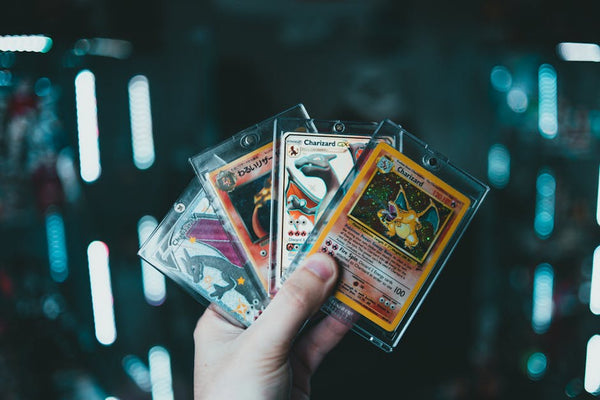
Hot take: Base Set Charizard isn't the golden ticket everyone thinks it is. Yeah, I said it. Before you grab your pitchforks, hear me out.
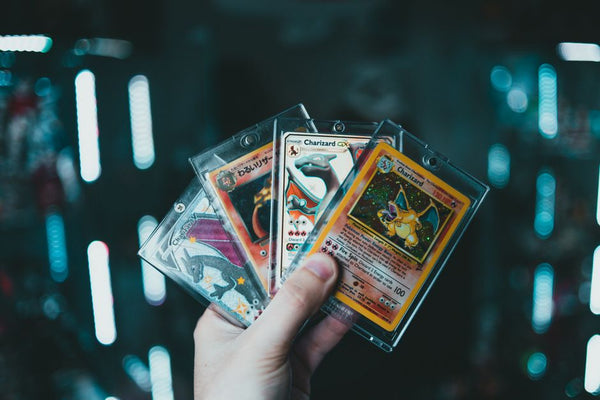
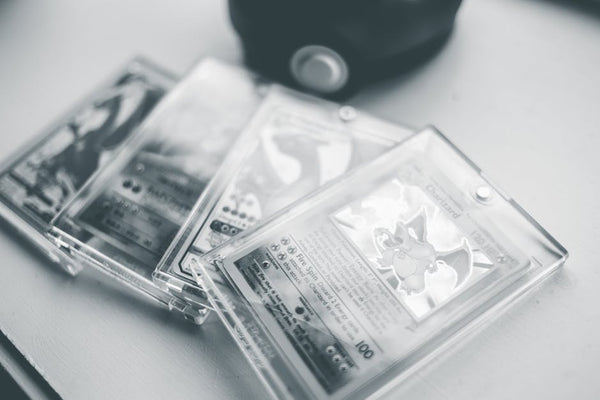
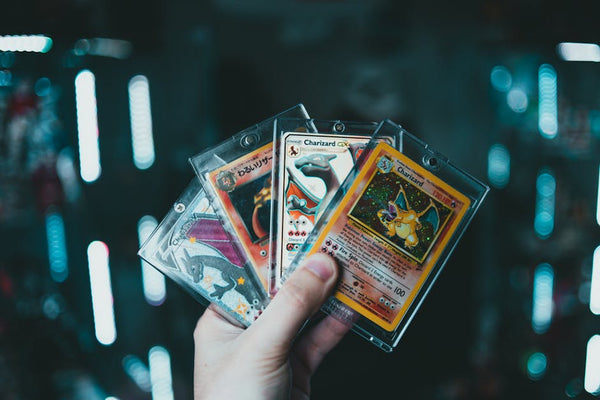
Sure, a PSA 10 Base Set Shadowless Charizard sold for $350,000 at auction back in 2022. Sounds incredible, right? But here's the thing nobody talks about - how many Base Set Charizards are actually in PSA 10 condition? We're talking about cards from 1998 that most kids (myself included) shoved into binders with zero protection.
The realistic scenario? You'll find a played or lightly played Base Set Charizard for $300-800. Still decent money, but not life-changing. And honestly, for that price point, there are way smarter plays in the Pokemon TCG market.
I remember this customer who came in last month with a binder full of Base Set cards, absolutely convinced he was sitting on a goldmine. Most were in rough shape - whitening on the edges, scratches, you name it. His "investment" was worth maybe $200 total. The disappointment was real, and it could've been avoided with better research.
Modern Cards That Actually Make Sense
Here's where things get interesting. While everyone's fighting over vintage cards they can't afford, some modern Pokemon TCG gems are quietly building value.
Japanese Exclusive Promos Are Underrated
Personally, I think Japanese exclusive promotional cards are the sleeping giants of card investing. Take the Pokemon Center Lady promo from 2014 - it's gorgeous, limited, and actually obtainable without breaking the bank. These cards often have lower print runs than their English counterparts, but they don't get the same attention from Western collectors.
Why does this matter? Simple supply and demand. When Western collectors finally catch on (and they always do), prices explode. I've seen it happen with multiple Japanese promos over the years.
Trophy Cards: The Real Investment Play
Want to know what I tell serious collectors? Look at trophy cards from Pokemon tournaments. These aren't cards you'll find in booster packs - they're awarded to winners of official competitions, making them genuinely rare.
A 2006 World Championships Pikachu trophy card? That's hitting $15,000-20,000 in good condition. The 1998 Tropical Mega Battle promos? We're talking $40,000+ for PSA 10 copies. The difference between these and Base Set Charizard? These were actually limited from day one.
But here's the catch - you need to know what you're looking at. Not all trophy cards are created equal, and some tournaments had way higher attendance than others.
The Grading Game: When Does It Actually Matter?
Should you grade every valuable card you own? Honestly, it depends, and I'm tired of people acting like there's a one-size-fits-all answer.
For modern cards, grading often doesn't make financial sense unless you're dealing with true low-print runs or significant variants. A regular Charizard VMAX from Champion's Path? PSA 10 might get you $40, but you just paid $20 for grading and shipping. Do the math.
Vintage cards are different. The gap between ungraded and PSA 9+ copies is massive. An ungraded Neo Genesis Lugia might sell for $200, while a PSA 9 hits $600+. That's a meaningful difference that justifies grading costs.
But here's something most people don't consider: condition sensitivity varies wildly between cards. Some Pokemon TCG cards from certain sets are notoriously difficult to grade well due to print quality issues. Research the set before you send cards off for grading.
The PSA vs BGS Debate
Which grading company should you use? Tbh, for Pokemon cards, PSA still rules the roost. Their population reports are more trusted, and buyers generally prefer PSA slabs. BGS can sometimes get you higher grades with their subgrades, but the market premiums usually favor PSA.
That said, I've seen some BGS Black Labels (perfect 10s across all subgrades) sell for absolutely insane money. We're talking 2-3x what a PSA 10 of the same card would fetch. But getting a Black Label is like winning the lottery - don't count on it.
Sets That Keep Delivering Returns
If I had to pick specific sets for long-term Pokemon TCG investing, here's my shortlist:
Neo Genesis - This set introduced Generation 2 Pokemon and has cards that consistently hold value. Lugia, Ho-oh, and the Shining cards are all solid picks.
EX Ruby & Sapphire - The return to form after a hiatus, plus genuinely beautiful artwork. Rayquaza ex and Mewtwo ex from this era are criminally undervalued.
Hidden Fates - Modern set with amazing Shiny Vault cards. The Charizard GX variants are obvious picks, but don't sleep on some of the other shinies.
What makes these sets special? They all represent significant moments in Pokemon history, have distinctive artwork styles, and contain cards that remain playable or iconic years later.
Red Flags Every Collector Should Know
Want to avoid the mistakes I see customers make constantly? Watch out for these red flags.
First: unlimited vs shadowless vs first edition confusion. The differences matter enormously for pricing, but sellers love to be vague about which version they're offering. Always verify exactly what you're buying.
Second: reproduction cards are everywhere now, and some are getting scary good. If a deal seems too good to be true on expensive vintage cards, it probably is. Learn the telltale signs of fakes - wrong font, incorrect holographic patterns, paper quality differences.
Third: condition matters way more than most people realize. "Near mint" means different things to different sellers, and some are... optimistic. Request detailed photos of any expensive cards before buying.
Remember: in card investing, you make your money when you buy, not when you sell.
The Future of Pokemon TCG Values
So what's next for Pokemon card investing? I think we're entering a more mature phase of the market. The pandemic-era explosion brought tons of new collectors, but also tons of speculation. We're seeing some corrections in overhyped modern cards, while genuinely rare vintage pieces continue climbing.
My prediction? Japanese cards will continue gaining ground with Western collectors. Alternate art cards from recent sets will become the new chase cards. And trophy cards will remain the ultimate long-term holds for serious investors.
But here's my most important advice: buy cards you actually enjoy. The best investments are the ones you don't mind holding forever, because you might need to. The trading card game market is cyclical, and patience often separates successful investors from everyone else.
Whether you're building a collection or looking for your next big score, remember that Pokemon TCG at TieredUp Tech isn't just about the money - it's about being part of something that's brought joy to millions of people worldwide. Just don't let that stop you from making smart financial decisions along the way.











Leave a Comment