


Pokemon TCG Investing: Which Cards Actually Hold Their Value Long-Term?
Let's be real about Pokemon TCG investing. Everyone thinks they're gonna strike it rich pulling a Charizard, but most people have no clue which cards actually maintain value over time. I've been tracking this stuff for years, helping folks at TieredUp Tech figure out whether their collections are worth anything or just expensive cardboard.
The trading card game market is wild right now. One day you're looking at a $50 card, next week it's $200. But here's the thing - most of those spikes don't last. What separates the real investments from the hype trains?
Base Set Cards: The Blue Chips of Pokemon TCG
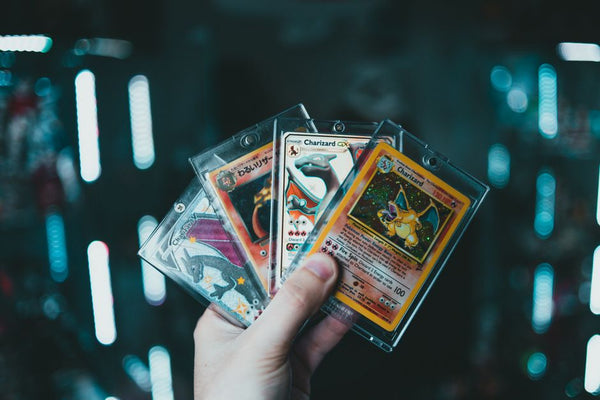
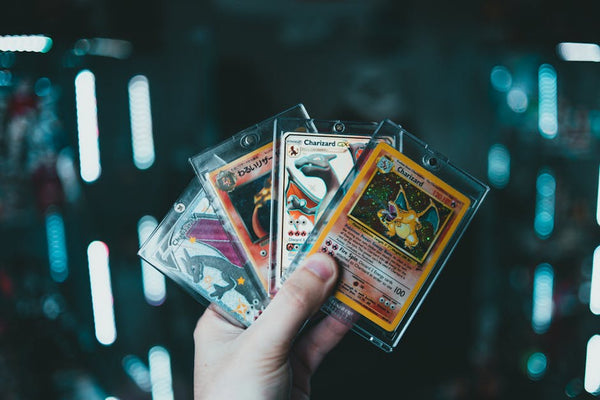
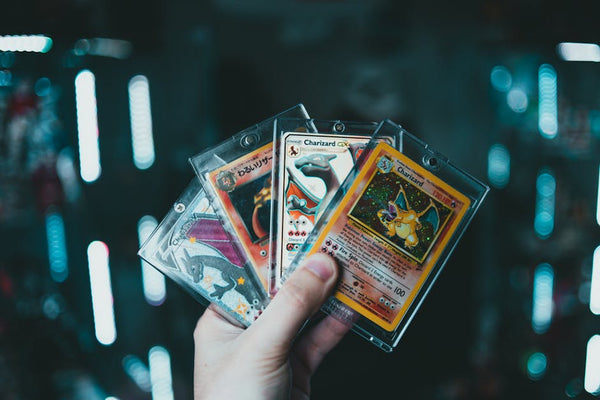
Base Set Unlimited Charizard? Solid pick. Base Set Shadowless? Even better. First Edition Base Set? That's the holy grail, but you're looking at serious money upfront.
I've watched Base Set cards for over a decade now. They're basically the bitcoin of Pokemon - volatile as hell but trending upward long-term. A PSA 9 First Edition Charizard was around $6,000 in 2019. Today? Try $15,000+. That's not a typo.
But don't sleep on the other Base Set holos. Blastoise, Venusaur, even Alakazam have shown consistent growth. They're not Charizard money, but they're way more accessible and still climbing. Personally, I think Blastoise is undervalued compared to Charizard. Both are iconic starters, but there's a massive price gap that doesn't make sense.
The key with Base Set? Condition is everything. A played condition card might be worth $20 while a PSA 10 of the same card hits $2,000. Get your cards graded if they're clean.
Japanese Cards: The Sleeper Hits
Here's where it gets spicy. Japanese Pokemon cards often hold value better than their English counterparts. Why? Lower print runs, better quality control, and honestly, they just look cleaner.
Take the Japanese Base Set No Rarity Charizard. Most people don't even know this exists, but it's rarer than the English First Edition. I've seen mint copies go for $8,000+ and barely anyone talks about them.
Trophy cards from Japanese tournaments? Those are absolute units for value retention. The 1996 Japanese tournament cards are basically priceless now. Even modern Japanese promos tend to age better than English releases.
The downside? Finding authentic Japanese cards is tricky. Fakes are everywhere, and unless you know what to look for, you're gambling. But if you can source legit Japanese cards, they're often better long-term holds than English versions.
Modern Japanese Sets Worth Watching
Japanese 25th Anniversary sets are already showing strength. The Golden Box promo cards hit different, and supply was limited. Same with the recent Japanese exclusive Charizard promos - they're climbing fast while everyone's focused on English releases.
Which Modern Cards Actually Have Staying Power?
Hot take: most modern Pokemon cards are trash investments. The print runs are massive, quality control is inconsistent, and everyone's buying singles now instead of packs.
But there are exceptions. Hidden Fates Shiny Charizard GX? That card's held value surprisingly well since 2019. It's not Base Set money, but it's proven it can maintain $100+ consistently.
Champion's Path Charizard VMAX was hyped to death on release, crashed hard, then slowly climbed back up. Now it's stabilized around $60-80 for raw copies. Not amazing, but not terrible either.
The real winners in modern sets are the alternate art cards from recent sets. Rayquaza VMAX Alt Art from Evolving Skies? That card's fire. Moonbreon from Evolving Skies? Even better. These have staying power because they're genuinely beautiful cards with lower pull rates.
Why Most Modern Cards Fail
Print runs are insane now. Pokémon Company prints sets into the ground, so supply almost always outpaces demand. Plus, modern card quality is inconsistent - I've seen fresh pack pulls that look played already.
The exception? Japanese exclusive releases and actual tournament prize cards. Those still have limited supply.
Grading: Worth It or Waste of Money?
PSA grading can make or break your investment. A PSA 10 Base Set Charizard sells for 3-5x more than a PSA 9. But grading costs money, takes months, and there's always risk your card comes back lower than expected.
For vintage cards worth $100+ raw? Absolutely grade them if they're clean. For modern cards under $50? Probably not worth it unless you're sitting on a perfect copy of something rare.
CGC and BGS are cheaper alternatives to PSA, but PSA still commands the highest premiums. Market's slowly accepting other grading companies, but PSA's still king for resale value.
I've seen people grade $10 cards and spend $20+ on grading fees. That's not investing, that's gambling with extra steps.
The Cards That Always Disappoint
Energy cards. Stop buying special energy cards thinking they'll moon. They won't.
Most GX/EX cards from earlier modern sets have aged poorly. They were overprintyed and most aren't visually appealing enough to command collector premiums.
Anything from XY sets? Mostly mid. Some exceptions exist, but those sets were printed forever and most cards are worth pennies now.
Here's something nobody talks about - condition matters more for newer cards than old ones. A played Base Set Charizard still has nostaglia value. A played modern card? Worthless.
Building an Actual Investment Strategy
Don't chase the hype. When everyone's talking about a card, you're already too late to get in at good prices. I learned this lesson watching Cosmic Eclipse cards spike and crash in real time.
Diversify your holdings. All Charizards? That's not a portfolio, that's obsession. Mix vintage staples with carefully selected modern cards and maybe some Japanese exclusives.
Set a budget and stick to it. Pokemon investing can become addictive fast. I've seen people blow mortgage payments chasing cards because they "knew" prices would keep climbing.
Honestly, the best investment approach is buying cards you actually want to own. If prices tank, at least you've got cards you enjoy looking at. Markets are unpredictable, but your personal enjoyment isn't.
Storage and Protection
Your cards are only worth what condition they're in. Sleeve everything immediately. Double sleeve valuable cards. Store them in a cool, dry place away from sunlight.
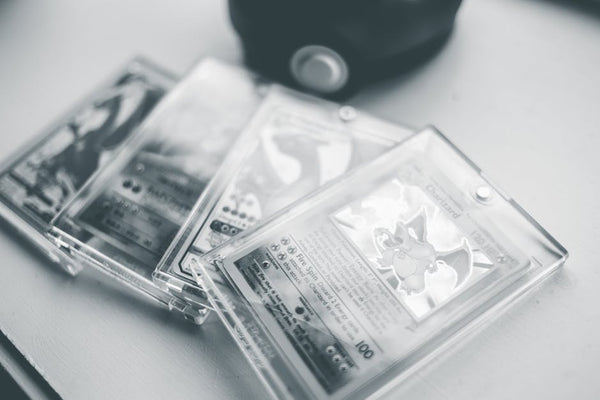
Top loaders for anything worth $20+. Magnetic holders for graded cards. Don't cheap out on storage - it's the difference between maintaining value and watching it disappear.
"The best time to buy Pokemon cards was 2016. The second best time is now, but only if you know what you're buying."
Real talk though - Pokemon card investing isn't for everyone. Prices swing wildly, fakes are everywhere, and you need serious knowledge to avoid getting burned. But for those willing to do the research and think long-term, there's definitely money to be made. Just remember that for every person who made bank on their childhood cards, there's ten others sitting on worthless commons wondering where their investment went wrong.
The Pokemon TCG scene keeps evolving, new sets drop constantly, and what's hot today might be forgotten tomorrow. But those vintage cards? They're not printing any more Base Set boosters, and nostalgia only gets stronger with time.







Leave a Comment