


Pokemon TCG Investing: Which Cards Actually Hold Their Value Long-Term?
Look, I've been building PCs for over a decade, but Pokemon TCG investing has become this weird side obsession of mine. Started when I was helping organize inventory at TieredUp Tech and noticed how some cards just never dropped in price, while others crashed harder than Windows ME. The whole Pokemon TCG market is wild right now, and honestly? Most people are doing it completely wrong.
Before we get into the nitty-gritty, let me be real with you. Card investing isn't like buying a solid NVMe SSD that'll hold value for years. This market is volatile as hell, driven by nostalgia, influencer hype, and genuine collectible demand all mixed together. It's basically crypto but with cute monsters.
The Pokemon TCG Blue Chips: Cards That Don't Mess Around
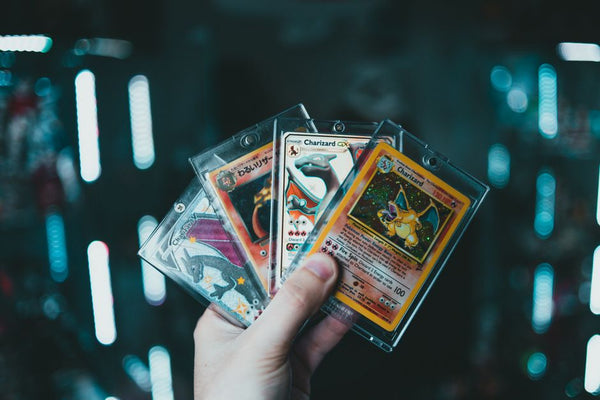
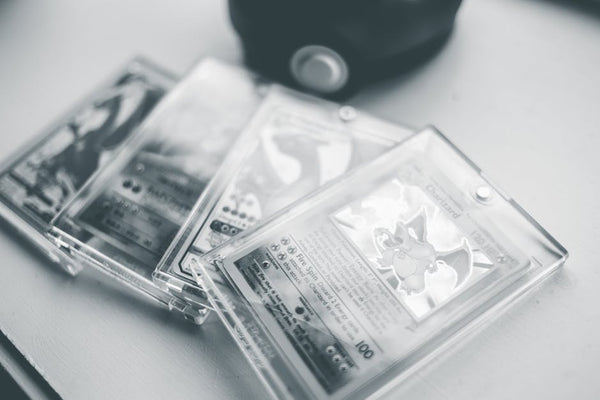
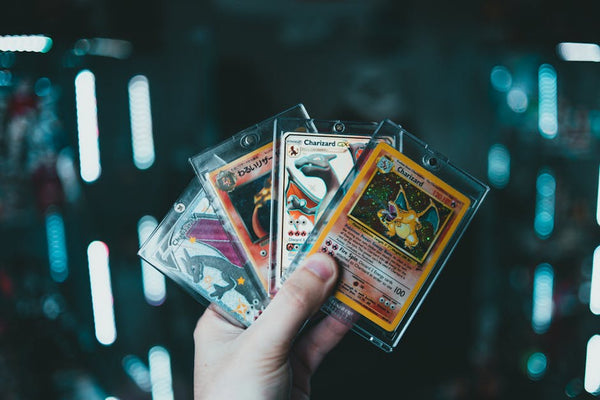
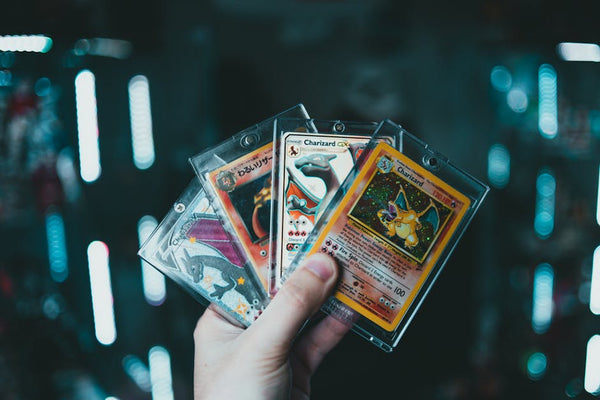
First up: Base Set Shadowless Charizard. Yeah, I know, everyone talks about this card. But there's a reason it consistently sells for $6,000+ in PSA 10 condition. It's the Michael Jordan rookie card of Pokemon. Boring pick? Maybe. But it's held value through every market crash since 1998.
Personally, I think the entire Base Set Shadowless trilogy of starters is solid. Blastoise and Venusaur don't get the same hype, but they're legitimately undervalued compared to Charizard. A PSA 9 Venusaur runs about $800-1,200, while Charizard PSA 9s hit $2,000+. That gap doesn't make sense long-term.
Now here's where it gets interesting.
Neo Genesis first edition cards are criminally underrated. Lugia from Neo Genesis (not the e-Card one) routinely hits $500-800 in good condition. Ho-Oh from the same set? Similar numbers. These aren't meme cards – they're legitimate first appearances of fan-favorite legendaries.
Japanese Cards: The Secret Sauce
Hot take: Japanese Pokemon cards are where smart money goes. The print runs were smaller, quality control was better, and honestly? They just look cleaner. Japanese Base Set No Rarity Charizard consistently outperforms its English counterpart percentage-wise.
Trophy Pikachu cards are absolute monsters. The 1998 Pokemon Japanese Tournament trophy cards sell for $20,000+ regularly. Even the "cheaper" trophy cards from regional tournaments hit four figures easy. Problem is finding authentic ones – the fake market is brutal.
Modern Cards That Actually Matter for Pokemon TCG Investment
Everyone's sleeping on Celebrations 25th Anniversary Classic Collection cards. Yes, they're reprints. But they're high-quality reprints with that anniversary stamp, and the pull rates were actually pretty reasonable. The Charizard from that set is already hitting $150-200 raw. Give it five years and see what happens.
Crown Zenith Galarian Gallery cards are printing money right now. Alt-art Moonbreon (yeah, that's what we call the Umbreon VMAX alt art) hit $400+ at peak hype. It's settled around $250-300, which honestly feels sustainable. The artwork is genuinely incredible, and Umbreon has that fanboy loyalty that never dies.
But here's the thing about modern cards – print runs are massive compared to vintage stuff. Pokemon Company isn't stupid; they know what sells. So while these cards might appreciate, we're not talking about 10x returns like vintage might deliver.
The Logan Paul Effect (And Why It Matters)
Ngl, Logan Paul's $6 million PSA Grade 10 Charizard purchase changed everything. Love him or hate him, that purchase legitimized Pokemon cards as alternative investments in mainstream media. Suddenly your mom understood why you were dropping $500 on cardboard.
But that attention brought speculators who don't actually care about the trading card game itself. They're buying boxes, sitting on them, hoping for moonshots. This inflated modern product prices but also created opportunities for people who actually understand Pokemon TCG fundamentals.
Cards That Are Straight-Up Overvalued Right Now
Unpopular opinion incoming: Most modern alternate art cards are overhyped. Don't get me wrong – they're beautiful. But $200+ for a card that was printed in millions of packs? That's bubble territory, bro.
Evolutions set from 2016 gets way too much love. Yeah, it's Base Set nostalgia in modern format. But the print run was enormous, and frankly? The card quality isn't that great. Energy cards look washed out, and the holofoil pattern is mid compared to original Base Set.
Here's what really grinds my gears: people treating every single PSA 10 like it's rare. Modern card grading standards are stricter, sure, but PSA has graded millions of Pokemon cards in the last three years. A PSA 10 modern card isn't automatically an investment.
Grading: Your Best Friend or Expensive Mistake?
Speaking of grading – it's not always worth it. PSA charges $50+ per card now, and CGC/BGS aren't much cheaper. Unless your raw card is worth $200+, you're probably losing money on grading fees.
But for vintage cards? Absolutely get them graded. The difference between a PSA 8 and PSA 9 Base Set Charizard is often $1,000+. That authentication and condition verification is crucial for anything pre-2000.
Where Pokemon TCG Investing Goes From Here
The next big catalyst is probably the 30th anniversary in 2026. Pokemon Company loves anniversary sets, and they've gotten really good at creating premium products that feel special. Start positioning now for cards that might get the reprint treatment – but remember, sometimes reprints actually help original values by creating new fans.
Honestly though? The best Pokemon TCG investment advice I can give is this: buy what you genuinely love. Whether that's at Pokemon TCG at TieredUp Tech or anywhere else, pick cards that make you happy when you look at them. Because if this whole investment thesis goes sideways, at least you'll have cool art on your wall.
One last thing – diversify beyond just Charizard, for the love of Arceus. Yeah, it's the poster child. But Pikachu, Lugia, the Eeveelutions, even cards like Dark Charizard from Team Rocket have dedicated followings. The Pokemon world is huge, and betting everything on one lizard isn't exactly big brain strategy.
The market's going to keep evolving, new games will create new fans, and honestly? That's probably good for everyone holding cardboard from their childhood. Just don't mortgage your house for a hobby, yeah?








Leave a Comment