


Pokemon TCG Investing: Which Cards Actually Hold Their Value (And Which Don't)
Listen bro, I've been building PCs for over a decade, and I've seen enough tech bubbles to know bullshit speculation when I see it. Pokemon TCG investing isn't much different from the crypto bros who swore their NFTs would moon. Most cards are gonna tank harder than Intel's stock after AMD dropped Ryzen. But here's the thing – some genuinely do hold value.
The Pokemon trading card game market is wild right now. You've got influencers pushing mystery boxes like they're the next RTX 4090, people dropping mortgage payments on Base Set Charizard, and kids who just want to play the actual card game getting priced out. It's honestly frustrating.
So let's cut through the hype and talk real numbers. Which Pokemon TCG cards actually maintain their value, and which ones are just marketing BS wrapped in shiny foil?
The Base Set Reality Check
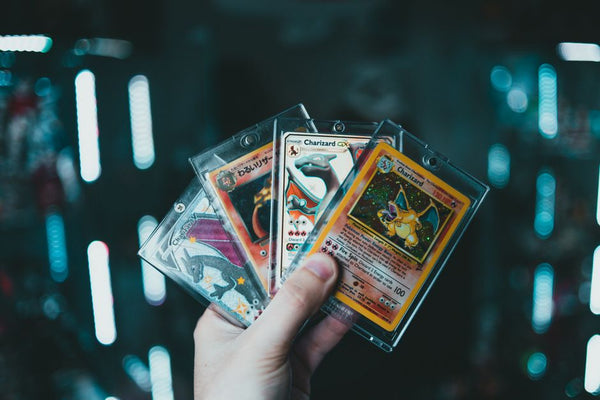
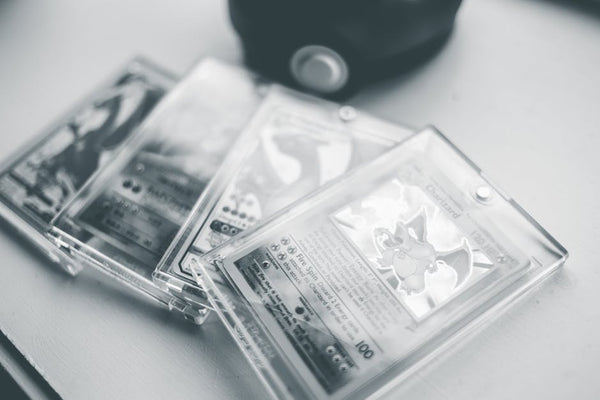
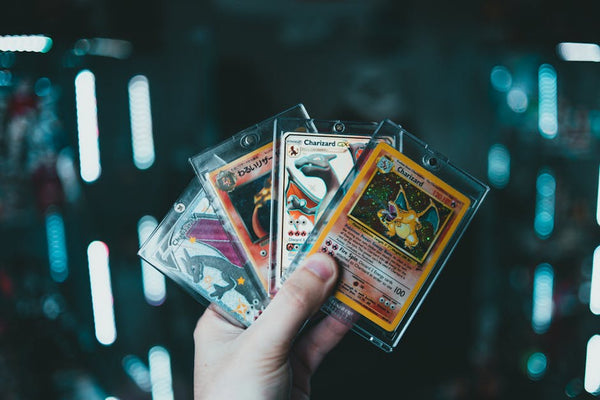
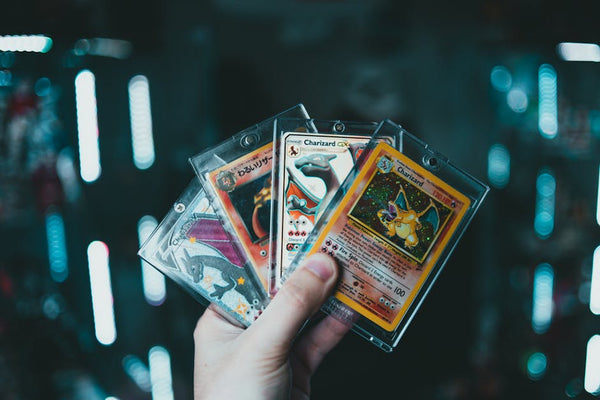
Everyone and their mom knows about Base Set Charizard. PSA 10? You're looking at $350,000+ for the shadowless version. Insane money. But here's what the YouTube gurus won't tell you – that's literally one card out of thousands.
Base Set Unlimited Charizard in decent condition? Maybe $200-400. Still good money, but not "quit your day job" money. The shadowless and First Edition variants are where the real value sits, and guess what? They're already priced like gold bars.
Hot take: most Base Set cards that aren't Charizard, Blastoise, or Venusaur are mid-tier investments at best. That Machamp everyone thought was rare? Nah bro, it was included in starter decks. Basic supply and demand.
What actually holds value from Base Set:
- PSA 9+ Charizard (any edition)
- High-grade starters in shadowless/1st edition
- Professor Oak and other key trainers in pristine condition
The Grading Game Changes Everything
Here's where it gets spicy. An ungraded Base Set Charizard might be worth $50. Same card, PSA 9? $3,000. PSA 10? $15,000+. The grading premium is absolutely nuts, and honestly, it makes me think of overclocking – tiny differences create massive value gaps.
But grading fees are like $150+ per card now with long wait times. You're gambling that your "mint" card actually grades well. I've seen cards that looked perfect get PSA 7s because of microscopic edge wear.
Modern Sets: Where Pokemon TCG Investing Gets Tricky
Modern Pokemon cards are a different beast entirely. Print runs are massive compared to the 90s, but chase cards can still spike hard initially. Look at Evolving Skies Rayquaza VMAX Alternate Art – it hit $400+ on release, then settled around $150-200.
The pattern with modern sets is predictable: initial hype drives prices up, then they crash as supply increases, then they slowly climb if the card has staying power. It's like GPU launches but with cardboard.
Personally, I think most modern chase cards are overpriced short-term but might be solid 5+ year holds. The art quality has genuinely improved, and some of these alternate arts are straight fire. But you're competing against massive print runs and reprint risk.
Japanese Cards: The Sleeper Market
Ngl, Japanese Pokemon cards are where I'd put my money if I was seriously investing. Lower print runs, different artwork sometimes, and they've historically held value better than English counterparts.
Japanese Base Set cards in high grade regularly outperform English versions percentage-wise. A PSA 10 Japanese Charizard might be "only" $25,000, but it's more stable than the volatile English market.
Plus, Japanese quality control was better. The centering issues that plague English vintage cards? Way less common in Japanese prints.
The Categories That Actually Matter
After watching this market for years, certain categories consistently perform better than others. It's not just about individual cards – it's about understanding what drives long-term demand.
Vintage Holos (1998-2003)
These are your blue chips. Base Set through Neo Genesis era cards have proven staying power. They're from when Pokemon was first exploding globally, print runs were smaller, and quality was hit-or-miss (which makes high grades rarer).
A PSA 9 Neo Genesis Lugia can run $1,500+. Crystal Kingdra from e-Aquapolis? $3,000+ for PSA 9. These cards combine nostalgia with genuine scarcity.
Trophy Cards and Promos
This is where serious money lives. Tournament prizes, staff promos, distribution cards from events – these have tiny populations and massive collector appeal.
The 1998 Pokemon Japanese Promo Trophy Pikachu sold for $128,900 recently. Not a typo. One hundred and twenty-eight thousand dollars for a Pikachu card.
Even "smaller" trophy cards regularly hit five figures. It's like owning prototype graphics cards – ultra-rare, historically significant, and impossible to reproduce.
Error Cards: Proceed With Caution
Error cards are fascinating but risky. Some are legitimately valuable – like the shadowless Machamp or certain misprints that made it to market. Others are just quality control fails that aren't worth premium prices.
The key is documentation and recognition. If major grading companies and auction houses acknowledge an error as significant, it might have legs. Random printing mistakes? Usually worthless.
What Kills Card Values
Let's talk about what tanks Pokemon TCG investments faster than a poorly applied thermal paste job.
Reprints are the big killer. When Pokemon reprints a popular card in a new set, original values often drop. It happened with Team Rocket's Return, it'll happen again.
Condition issues destroy value exponentially. A PSA 6 vintage card might be worth 10% of the PSA 10 price. It's brutal but real.
Market manipulation also happens. YouTubers pump certain cards, prices spike artificially, then crash when the hype dies. I've seen this cycle repeat constantly.
The Overproduction Problem
Modern sets have a fundamental issue – Pokemon prints to demand now. Popular sets get reprinted until demand is satisfied. This isn't like vintage where they printed X amount and moved on.
Battle Styles was supposed to be the next big thing. How'd that work out? Cards that were $50+ on release are now $10-15. Supply caught up to demand real quick.
My Real-World Experience
Working at TieredUp Tech in Orange, TX, I see both serious collectors and people hoping to strike it rich with Pokemon cards. The difference is usually obvious – collectors focus on condition and personal attachment, speculators chase whatever's trending on YouTube.
The collectors almost always make better long-term decisions. They buy what they genuinely want to own, they're patient with grading and selling, and they understand the market cycles.
Honestly, the best Pokemon TCG investing advice I can give? Buy cards you'd be happy owning even if they never increased in value. Because most won't.
The market's cooling off from the 2020-2021 highs anyway. Stimulus money dried up, people realized most cards aren't retirement funds, and the influencer hype machine moved on to other trends. Now might actually be a decent entry point for quality vintage cards.
But remember – this is gambling with extra steps. Don't bet money you can't afford to lose, don't believe every "investment grade" claim you see online, and for the love of all that's holy, store your cards properly. Seeing a $500 card ruined by poor storage makes me die inside.
The Pokemon TCG will always have collector value. The question is whether you're buying during a bubble or finding genuine long-term holds. Choose wisely.








Leave a Comment