


Pokemon TCG Investing: Which Cards Actually Hold Their Value (And Which Are Total BS)
Let me guess. You saw some kid on TikTok flip a Charizard for $10k and now you're thinking Pokemon TCG investing is your ticket to early retirement? Bro, slow your roll. I've been watching this market for years while building PCs at TieredUp Tech here in Orange, TX, and the number of people who think they're gonna strike it rich with random booster packs is genuinely hilarious.
Here's the thing about card investing that nobody wants to tell you: most cards are worth exactly jack squat. Like, literally worthless. But the ones that do hold value? They follow patterns you can actually predict if you're not completely clueless.
The Harsh Reality of Pokemon TCG Card Values
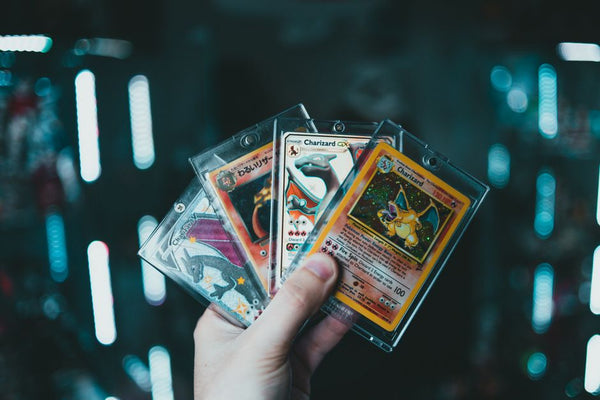
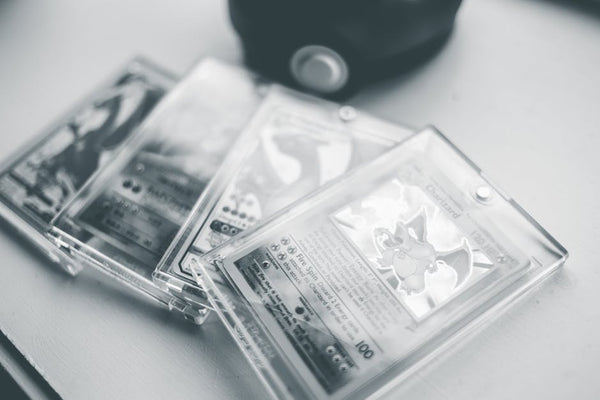
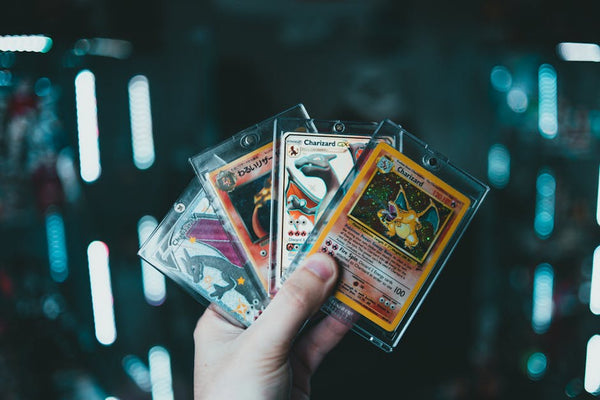
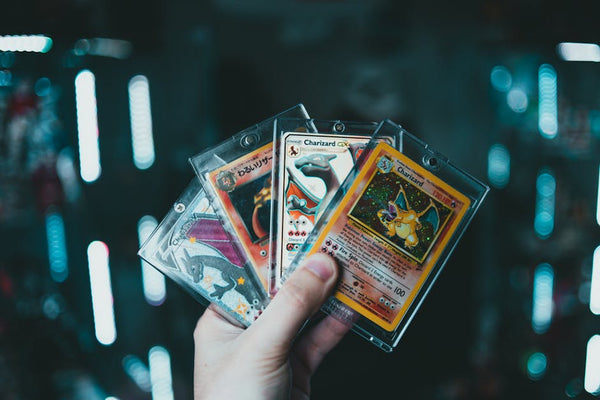
First off, condition is everything. And I mean everything. That slightly bent corner on your "mint" Pikachu? Congrats, you just lost 80% of its value. PSA 10 graded cards sell for thousands while the same card in played condition might get you enough for a gas station energy drink.
The grading game is where most newbies get absolutely wrecked. You think your card is a 9 or 10, but PSA takes one look and slaps it with a 7. Now you're out the grading fees plus shipping, and your card is worth less than when you started. It's like buying a $500 graphics card that benchmarks worse than the $200 one you already had.
Personally, I think the grading companies have created this artificial scarcity that's honestly pretty brilliant from a business perspective. They've convinced collectors that raw cards are basically garbage while charging $50+ per card to tell you what you probably already knew.
Which Sets Actually Matter
Not all Pokemon sets are created equal, and this is where people really show their ignorance. Base Set from 1998-99? Obviously valuable. Neo Genesis, Neo Discovery? Solid investments if you can find clean copies. But that random XY set from 2014 that your cousin swears is "vintage"? Nah fam.
Japanese cards often hold value better than English ones because the print runs were smaller and the card quality was typically higher. A Japanese Base Set Charizard in PSA 10 will consistently outperform its English counterpart, sometimes by 2-3x the price.
Here's where it gets interesting though - modern sets like Evolving Skies and Brilliant Stars have some serious chase cards. The Rayquaza VMax alternate art from Evolving Skies? That thing's been climbing steadily since release. But here's the catch: for every card that goes up, twenty others tank completely.
The Cards That Actually Hold Their Value
Let's talk specifics because vague advice is useless. Base Set Charizard is the poster child, obviously, but it's not the only game in town.
Trophy cards from official tournaments are genuinely underrated IMO. These had tiny print runs and most got trashed by kids who didn't know what they had. A 1998 Pikachu trophy card in good condition? That's a legitimate investment that's only getting rarer.
First edition stamps matter way more than people realize. The difference between a 1st Edition Base Set Blastoise and an unlimited one isn't just a little stamp - it's often 5-10x the value. Why? Because first editions represent the actual first printing of iconic cards that defined an entire generation's childhood.
Modern Cards Worth Watching
Don't sleep on alternate art cards from recent sets. These aren't your basic full arts - I'm talking about the special illustration rare cards that actually look like artwork instead of generic Pokemon poses. The Moonbreon from Evolving Skies hit $500+ at one point, and it's from a set you can still buy.
Gold cards have been surprisingly consistent performers. Not the ugly gold borders from older sets, but the modern textured gold cards like Charizard VSTAR from Brilliant Stars. They're flashy without being completely over the top, and the pull rates are low enough to maintain scarcity.
Hot take: PSA 10 modern cards often outperform raw vintage cards in terms of ROI, but only if you're buying the right cards from the right sets.
Common Investing Mistakes That'll Wreck Your Portfolio
Biggest mistake? Chasing hype. Some YouTuber says X card is going to moon, so everyone rushes to buy it, driving up the price temporarily. Then reality sets in and the price crashes harder than my PC when I forgot to plug in the CPU power connector.
Another huge mistake is not understanding print runs. Modern sets have massive print runs compared to vintage stuff. That cool-looking card from the latest set might seem rare, but if they printed a million copies, it's not actually scarce. Supply and demand isn't just economics class BS - it literally determines whether your cards are worth toilet paper or tuition money.
People also massively underestimate storage costs and time investment. Proper card storage isn't cheap, and if you're serious about condition, you need toploaders, team bags, humidity control - the works. It adds up fast.
The Grading Trap
Getting cards graded is expensive and time-consuming, but everyone thinks they need to do it. Newsflash: not every card benefits from grading. If your card isn't potentially worth $100+ in graded form, you're probably wasting money on grading fees.
Plus, grading turnaround times are still pretty brutal. PSA is taking months for standard service, and express costs more than most cards are worth. You could be sitting on cards for half a year waiting for them to come back, during which time the market could completely shift.
Building a Smart Pokemon TCG Investment Strategy
If you're gonna do this seriously, treat it like any other investment. Diversification matters. Don't dump your entire budget into Charizard cards just because they're iconic. Spread across different eras, different Pokemon, different card types.
Honestly, the best approach is focusing on cards you actually like. If you're only in it for money and you hate Pokemon, you're gonna make emotional decisions when prices fluctuate. But if you genuinely enjoy the hobby, you'll be more patient and make smarter long-term choices.
Set aside specific money for card investing that you can afford to lose completely. This isn't a savings account - it's speculation. Sometimes cards I was sure would tank end up surprising me, and vice versa.
One thing I've learned from working with customers at Pokemon TCG at TieredUp Tech is that most successful collectors focus on completing specific sets rather than cherry-picking random chase cards. There's something to be said for that approach - complete sets often appreciate more consistently than individual cards.
Timing the Market (Spoiler: You Probably Can't)
Market timing is incredibly difficult with Pokemon cards. Prices spike around movie releases, new game launches, and nostalgia cycles that are basically impossible to predict. The 25th anniversary caused a massive bubble that popped pretty hard, leaving a lot of people holding overpriced cards.
That said, there are some patterns. Prices often dip right after a set release as supply floods the market, then gradually climb as packs become harder to find. Holiday seasons typically see increased demand. But banking on these patterns is risky business.
The smart money often comes from buying during panic sells and holding through hype cycles. When everyone's dumping their collections because prices dropped 20%, that's often when you find the best deals. But you need serious patience and nerves of steel.
Look, Pokemon TCG investing isn't a guaranteed money printer, but it's not complete gambling either if you do your homework. Focus on condition, understand print runs, don't chase every hype train, and maybe you won't end up like those poor souls trying to flip Pokemon Happy Meal toys on eBay. The market's got room for smart investors - just make sure you're actually one of them.











Leave a Comment