


Pokemon TCG Investing: Which Cards Actually Hold Their Value (And Which Are Total BS)
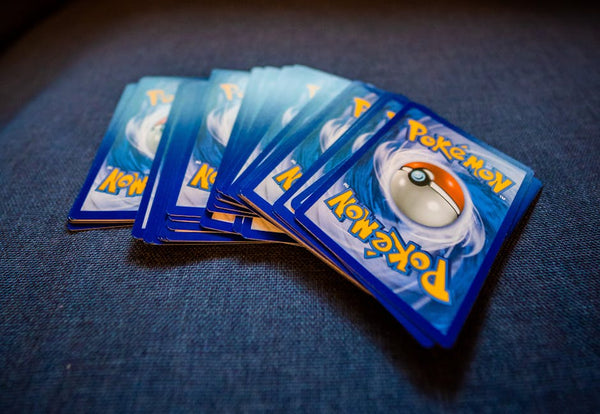
Look, I've been building PCs for over a decade, and honestly? Pokemon TCG investing reminds me a lot of GPU scalping during the crypto boom. Everyone thinks they're gonna get rich quick, but most people end up holding worthless cardboard just like those folks who bought RTX 3060s at $800. The Pokemon TCG market is absolutely wild right now, and separating the wheat from the chaff requires some serious knowledge.
Here's the thing though – unlike PC hardware that depreciates faster than a Ferrari in a demolition derby, certain Pokemon cards genuinely do hold value. Some even appreciate. The trick is knowing which ones aren't just hype.
Base Set Cards: The OG Investments That Actually Work
Base Set 1st Edition cards are basically the Intel 8086 of Pokemon TCG investing. Ancient. Legendary. Stupidly valuable if you've got clean copies.
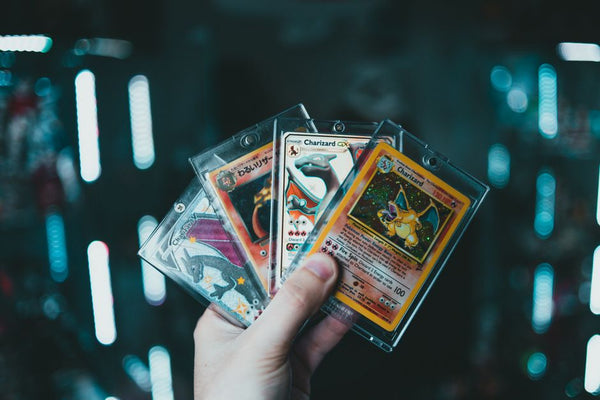
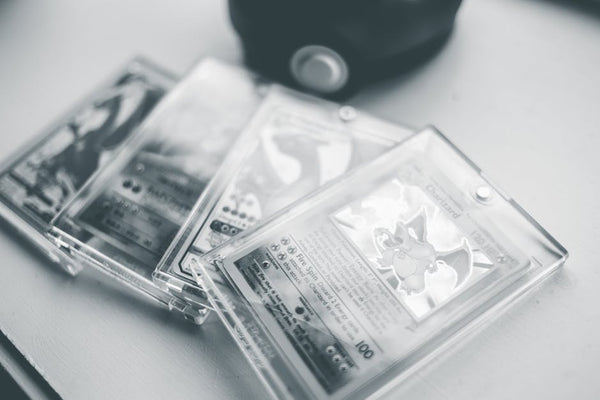
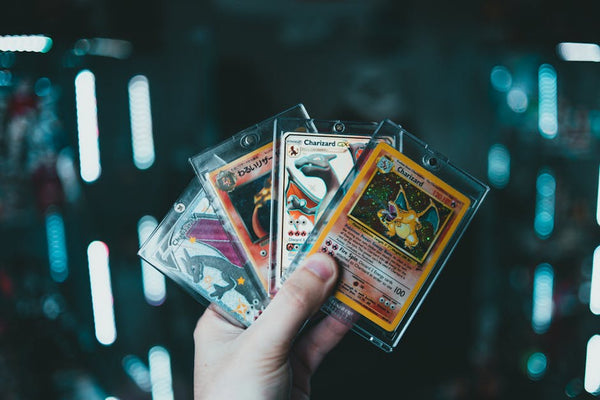
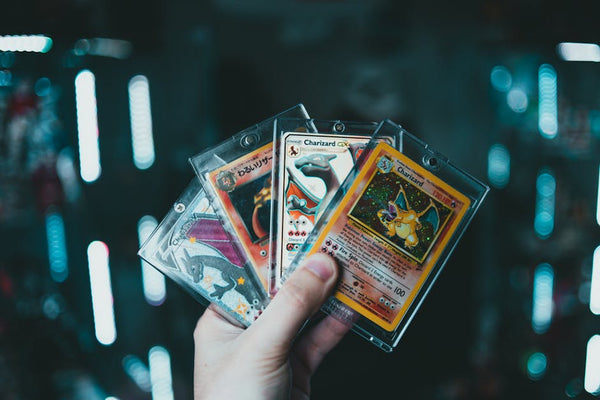
Charizard's the poster child here, obviously. A PSA 10 1st Edition Base Set Charizard sold for $420,000 in 2022. Yeah, you read that right. Four hundred and twenty thousand dollars. For a piece of cardboard from 1998. But here's the kicker – even PSA 8 copies are pulling $15,000-$25,000 consistently.
The other Base Set holos aren't slouches either. Blastoise, Venusaur, Alakazam – they're all solid investments if you can find them in decent condition. I'm talking PSA 8 or better. Anything below that is basically buying a scratched-up GTX 1060 in 2023.
But yo, don't sleep on the non-holo rares. Machamp might not be flashy, but 1st Edition copies in PSA 10 are hitting $2,000+. That's better returns than most stock portfolios, ngl.
The Japanese Base Set Advantage
Hot take: Japanese Base Set cards are lowkey better investments than English ones. Why? Lower print runs, better quality control, and Japanese collectors don't mess around. A Japanese Base Set Charizard in PSA 10? We're talking $50,000+ easy.
The print quality was genuinely better too. Wizards of the Coast was still figuring out how to properly print these things in English, but the Japanese cards came out crisp. It's like comparing a custom loop cooling setup to a stock Intel cooler – both work, but one's clearly superior.
Modern Sets: Where Most People Get Burned
Here's where I see people make the same mistakes I watched during the GPU shortage. They're buying anything shiny without understanding the fundamentals.
Modern Pokemon TCG sets print millions of cards. MILLIONS. When I see someone dropping $500 on a Charizard VMAX from Brilliant Stars, I genuinely cringe. That card's gonna be worth maybe $50 in two years because Pokemon printed it into the ground.
The exception? Special sets and promos with actual limited print runs. Japanese exclusive releases, tournament promos, stuff like that. But regular expansion sets? Bro, you might as well light your money on fire.
The Scalper Problem
Remember when people were buying entire pallets of Pokemon cards during the Logan Paul hype? Those same folks are now sitting on thousands of Evolving Skies packs wondering why their "investment" is worth less than they paid. It's like buying RTX 4090s expecting them to appreciate – completely missing how supply and demand actually works.
Pokemon learned from the shortages and cranked production to 11. Modern sets are more available than Windows 10 updates, and about as exciting from an investment standpoint.
The Grading Game: PSA vs BGS vs CGC
If you're serious about Pokemon TCG investing, you better understand grading. It's like overclocking – do it right and you get massive gains, mess it up and you're screwed.
PSA's the gold standard, especially for vintage cards. Their 10s command premium prices, and their authentication is solid. BGS has better subgrades but honestly? Most buyers just want that clean PSA label.
CGC's the new kid trying to break into the market. Their holders look clean, prices are lower, but liquidity isn't there yet. It's like buying an Intel Arc GPU – might be decent, but good luck reselling.
Here's what kills me though: people sending $20 cards to get graded and paying $50 in fees. The math doesn't work, guys. Only send cards that are worth at least 3x the grading cost in their current condition.
Condition Is Everything
You know how a single bent pin can brick a CPU? Same energy with Pokemon cards. One tiny edge ding can knock a $1000 card down to $200. When we're talking about Pokemon TCG at TieredUp Tech, I always tell customers to handle vintage cards like they're made of spun glass.
Personally, I think raw collecting is dead for investment purposes. The gap between graded and ungraded prices is just too massive. A raw Base Set Charizard might be worth $500-800 depending on condition, but that same card in PSA 10? Different stratosphere.
Japanese vs English: The Regional Divide
This is where it gets spicy. Japanese Pokemon cards are often better investments than English ones, and most Western collectors don't realize it.
Japanese print runs are smaller. Quality control is tighter. Cultural significance is deeper. A Japanese Gym Heroes Misty's Tears (the one with the controversial artwork)? That's hitting $3000+ in PSA 10. The English version doesn't even exist because they censored it.
Plus, Japanese cards age better. The card stock is different, foiling techniques are superior. It's like comparing a custom sleeve cable job to those ketchup and mustard cables that come with cheap PSUs.
But here's the thing – Japanese cards are harder to authenticate if you don't know what you're looking for. The market's flooded with fakes, especially for high-value vintage stuff.
Tournament and Promo Cards: The Hidden Gems
Want to know where smart money goes? Tournament promos and special releases. These cards had genuinely limited distribution, unlike modern sets that get printed until Pokemon's shareholders are satisfied.
The 1998 Pikachu Illustrator is the holy grail. One sold for $5.275 million in 2021. Yeah, more than most people's houses. But even "lesser" tournament promos like the 2000 Neo Summer Battle Road cards are pulling serious numbers.
Trophy cards from official tournaments are absolute gold mines. These were given to maybe a few dozen people worldwide. When one surfaces, collectors go nuts. It's like finding a working Voodoo 5 6000 – theoretically possible, practically impossible.
Staff Promos and Convention Exclusives
Here's a pro tip most people miss: staff promos and convention exclusives. These cards were given to tournament judges, Pokemon Center employees, convention staff. Print runs of maybe a few hundred copies max.
I've seen random staff Pikachu promos hit $5000+ just because nobody knows they exist. The Pokemon Company doesn't advertise these, they just... exist. Finding them requires serious detective work, but the payoff can be massive.
What About Sealed Products?
Sealed booster boxes are where things get really interesting. A Base Set 1st Edition booster box? We're talking $400,000+ if it's legit. Even Jungle and Fossil boxes are hitting $50,000-100,000 range.
But here's where people get burned: modern sealed products. Everyone thinks they're sitting on gold with their Hidden Fates ETBs or Champion's Path boxes. Reality check – Pokemon printed those into oblivion. Your "rare" sealed product isn't rare when there are thousands available on eBay.
The rule is simple: if you could walk into a Target and buy it, it's probably not a great long-term investment. Vintage sealed products work because they're genuinely scarce. Modern stuff? Not so much.
The Authentication Nightmare
Fake sealed products are everywhere, especially Japanese ones. Resealed boxes, reprinted wrappers, completely fabricated products. It's like the Chinese knockoff GPU market but for cardboard.
If you're dropping serious money on sealed vintage Pokemon products, you better get them authenticated. Companies like BBCE specialize in this, and their certification actually means something in the market.
Red Flags: How to Spot BS Investments
Alright, real talk time. The Pokemon TCG investment space is full of the same snake oil salesmen who tried to convince people that Dogecoin was going to $10. Here's how to spot the BS.
If someone's telling you that Sword & Shield base set is "the next Base Set," run away. Modern cards don't become vintage cards just because time passes. Supply matters, and modern Pokemon sets have supply coming out of every orifice.
YouTube "investment" channels are especially sus. Half these guys are just trying to pump cards they already own. It's like tech channels that coincidentally recommend products from their sponsors every video.
And please, for the love of all that's holy, stop believing that "error" cards are automatically valuable. A miscut Pikachu from Battle Styles isn't worth thousands just because it's weird. Manufacturing errors on modern cards are worthless unless they're genuinely one-of-a-kind freaks.
The Real Investment Strategy
Look, if you're gonna invest in Pokemon TCG, do it right. Focus on vintage cards with proven track records. Base Set, Jungle, Fossil – the OG WOTC era. These cards have 25+ years of appreciation history.
Buy the best condition you can afford, get it graded if it's worth the cost, and then... wait. This isn't day trading. Good Pokemon cards appreciate over decades, not months.
Diversify your vintage purchases. Don't just buy Charizards. Alakazam, Machamp, Magneton – other holos from the era have shown solid growth too. And honestly? Sometimes the non-holo rares surprise you. That Jungle Scyther everyone ignores? PSA 10 copies are hitting $400+ now.
Remember, this market runs on nostalgia and scarcity. The kids who played Pokemon in 1998-2000 are now adults with disposable income. They want their childhood back, and they're willing to pay premium prices for pieces of it. That demographic shift isn't changing anytime soon, which makes vintage Pokemon cards a genuinely solid alternative asset class.
Just don't mortgage your house for cardboard, yeah? Even the best investments can tank, and Pokemon cards aren't exactly liquid assets when you need to pay rent. Treat it like any other collectible market – only invest what you can afford to lose completely.
The Pokemon TCG investment game separates the wheat from the chaff pretty quickly. Stick to proven vintage cards, understand grading economics, and avoid the modern hype train. Your future self will thank you when you're not holding bags of worthless Battle Styles singles like it's 2021 all over again.










Leave a Comment