


Pokemon TCG Investing: Which Cards Actually Hold Their Value (And Which Are Total BS)
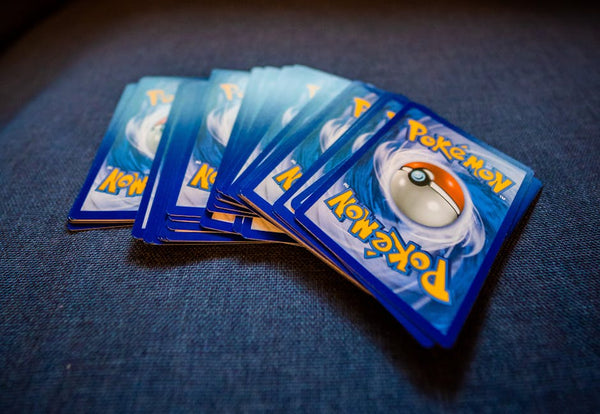
Look, I'm gonna be straight with you from the jump. Pokemon TCG investing has become this weird hybrid of nostalgia gambling and legitimate collectibles market, and honestly? Most people are doing it completely wrong. After building gaming rigs for years and watching customers at TieredUp Tech in Orange, TX drop serious cash on Pokemon cards while skimping on their GPU budget, I've seen enough train wrecks to know what actually holds value and what's just hype.
The Pokemon TCG market isn't like stocks or crypto where you can just HODL and pray. It's way more complex than that, and the marketing around "investment grade" cards is often straight-up misleading.
The Real Pokemon TCG Investment Landscape
First off, let's kill the biggest myth. Cards don't magically appreciate because they're old. Ngl, I've seen people blow $500 on a played condition Base Set Charizard thinking they're Warren Buffett, when that same card was selling for $300 just six months earlier. The market crashed harder than my friend's overclocked CPU without proper cooling.
Here's what actually drives Pokemon card values: scarcity, condition, and genuine demand from both collectors and competitive players. That's it.
First Edition Base Set: Still the GOAT
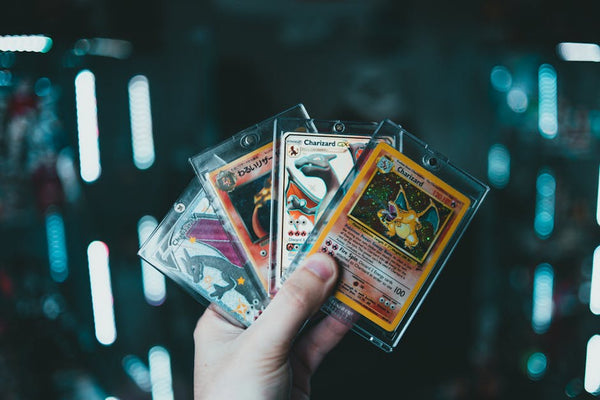
Yeah, I know it's basic, but First Edition Base Set Shadowless cards genuinely hold their value better than almost anything else in the hobby. Why? Because they're the OG Pokemon cards that started it all, and the print run was relatively small compared to modern sets.
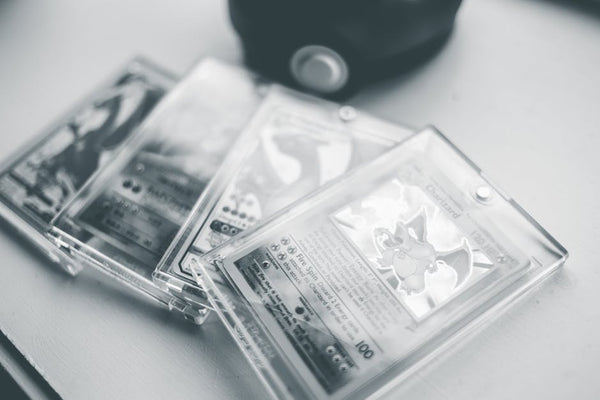
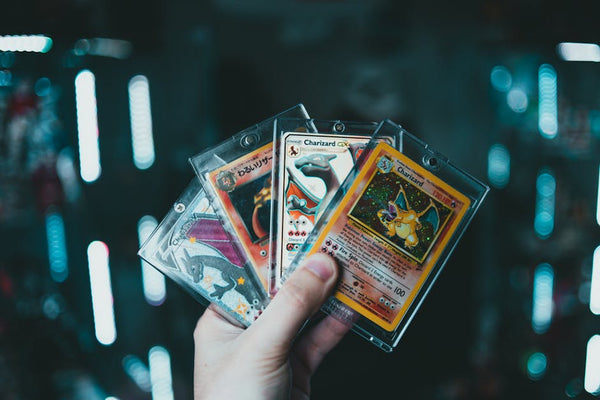
But here's the catch – condition is absolutely everything. A PSA 10 First Edition Charizard sold for $350,000 in 2022, but that same card in played condition? Maybe $1,200 on a good day. The difference between a PSA 9 and PSA 10 can literally be tens of thousands of dollars. It's honestly insane how much those tiny condition differences matter.
Hot take: if you can't afford a PSA 9 or better of these cards, don't bother. You're better off investing in index funds.
Japanese vs English: The Collector's Dilemma
This is where things get interesting. Japanese cards often hold value better because their print quality was superior and the collectors in Japan treat their cards like sacred artifacts. I'm talking about perfect centering, sharp corners, and print quality that makes English cards look like they were printed on a potato.
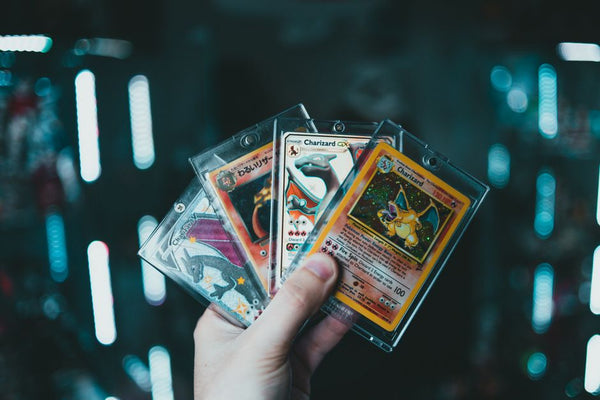
Japanese Base Set No Rarity cards? Those things are gold. The artwork is identical, but the scarcity factor is real since most American collectors ignored them back in the day. A Japanese No Rarity Charizard in good condition regularly sells for 2-3x what comparable English unlimited cards go for.
Modern Cards That Actually Matter
Alright, let's talk about newer stuff because not everyone has $10k lying around for vintage cards. Modern Pokemon TCG investing is trickier, but there are some solid plays if you know what to look for.
Personally, I think alt art cards from recent sets are criminally undervalued right now. The Alternate Art Charizard from Brilliant Stars? That card's artwork is genuinely beautiful, and it's from a set that wasn't printed into oblivion. Currently sitting around $150-200 for a NM copy, but I wouldn't be surprised to see it hit $400+ in a couple years.
Special Sets and Promos: The Hidden Gems
Here's where most people mess up – they ignore special sets and promotional cards. The Pokemon 25th Anniversary Golden Box promos? Those things are going to age like fine wine. Limited distribution, beautiful artwork, and they commemorate a major milestone. The Golden Mew from that set is already climbing from its original $80-100 range.
Trophy cards are another beast entirely. These are given out at official tournaments, and the supply is genuinely limited. Not like "limited edition" marketing BS, but actually scarce. A 1998 Tropical Mega Battle No. 2 Trainer sold for over $50,000 recently. Yeah, you read that right.
Competitive Play Impact
Don't sleep on cards that see competitive play. When a card dominates tournaments, demand spikes hard. Look at what happened to Professor's Research during the 2021-2022 season – certain special printings went from $5 to $40 practically overnight because every competitive deck needed four copies.
But here's the thing about competitive cards: they're volatile as hell. Meta shifts happen, cards get banned or rotated out, and suddenly your $100 playset is worth $20. It's high risk, high reward stuff that requires you to actually follow the competitive scene.
What to Avoid Like a Bad Power Supply
Time for some real talk about Pokemon TCG investing mistakes that make me cringe harder than seeing someone pair a RTX 4090 with 8GB of RAM.
Modern base set reprints? Trash tier investment. When Pokemon Company reprints Base Set cards for anniversary sets, they're not scarce anymore. The Pokemon Classic Box reprints might look identical, but they're worth maybe $10 compared to hundreds for originals. The market isn't stupid – it knows the difference.
Graded modern cards under PSA 9? Also mostly garbage unless it's something genuinely rare. The grading population reports on PSA show that modern cards get 9s and 10s way more frequently than vintage stuff. A PSA 8 modern card is basically worthless because PSA 9s are abundant.
The Influencer Pump Problem
YouTube and TikTok "investing" advice for Pokemon cards is mostly hot garbage. These creators pump specific cards, their audiences buy in, prices spike temporarily, then crash harder than a Windows Vista gaming setup. I've watched this cycle repeat with cards like Logan Paul's Base Set box opening – artificial hype that benefits sellers more than buyers.
Want a specific example? Remember when everyone was saying Evolving Skies Rayquaza cards were "the next big thing"? Yeah, those cards peaked at $200+ and now sit around $80. The hype cycle is real, and most retail investors get burned.
Storage and Condition: Your Cards' Lifeline
This part genuinely triggers me because it's so basic yet people mess it up constantly. Pokemon cards are basically paper rectangles that hate light, moisture, and temperature changes. Storing them properly isn't optional if you want them to hold value.
Double sleeve everything valuable. Inner perfect fit sleeves, then outer regular sleeves, then toploaders with team bags. Yeah, it's overkill for a $10 card, but for anything worth $50+? Absolutely necessary. I've seen people lose hundreds of dollars in value because they stored cards in a humid basement or left them in direct sunlight.
Temperature matters too. Your cards don't want to live in your garage where it hits 100°F in summer and 30°F in winter. Stable room temperature, low humidity, and dark storage. It's not complicated, but it's critical.
Market Timing and Exit Strategy
Here's something nobody talks about: knowing when to sell. Pokemon cards aren't stocks – you can't just hit a button and liquidate instantly. The market is smaller, more illiquid, and heavily dependent on timing.
Holiday seasons typically see price spikes as gift-buying increases demand. Tournament seasons boost competitive cards. Anniversary years create nostalgia buying. But summer months? Often dead zones where nothing moves and prices stagnate.
Honestly, if you're treating Pokemon TCG investing like a retirement plan, you're doing it wrong. This should be fun money that you can afford to lose, because the market can be absolutely brutal. I've seen collections worth $10k become worth $4k overnight when reprint announcements hit.
The smart play? Diversify within the hobby, focus on true scarcity rather than artificial hype, and remember that condition is everything. And maybe allocate some of that budget to a proper gaming setup too – those RTX 4070 builds at Pokemon TCG at TieredUp Tech will probably give you better long-term satisfaction than chasing card market trends.
Bottom line: Pokemon cards can appreciate, but treating them like guaranteed investments is a recipe for disappointment. Buy what you love, store it properly, and maybe you'll get lucky. Or maybe you'll just have some really expensive cardboard. Either way, at least make sure your gaming rig can handle the latest Pokemon games while you're at it.










Leave a Comment