


Pokemon TCG Investing: Which Cards Actually Hold Their Value?
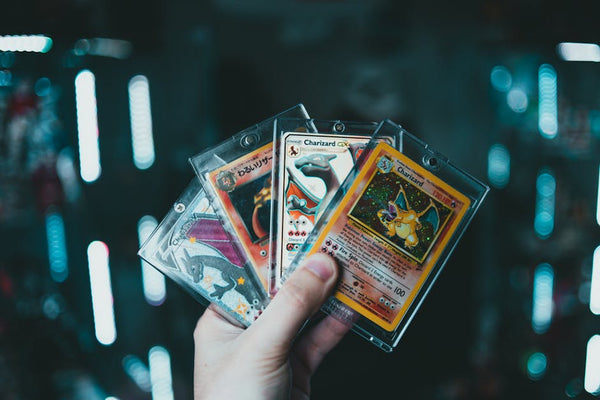
Let me tell you something about Pokemon TCG card investing that nobody wants to admit: most people are doing it completely wrong. I've watched countless customers at our shop walk in thinking they're the next Warren Buffett because they bought a shiny Charizard, only to watch their "investment" tank harder than my K/D ratio in Call of Duty.
Here's the truth. Real card investing isn't about buying whatever's trending on TikTok or grabbing the prettiest holographic you can find. It's about understanding markets, scarcity, and frankly, human psychology. After years of helping folks navigate the trading card game scene and watching the secondary market like a hawk, I've learned which Pokemon cards actually hold their value versus which ones are just expensive cardboard waiting to happen.
The Golden Rule of Pokemon TCG Value
Want to know the secret? It's not the card that looks coolest or has the highest attack damage. Value retention comes down to three factors that work together like a perfectly balanced team comp.
First up: competitive playability. Cards that see consistent tournament play maintain value because demand stays steady. Look at Professor's Research from Sword & Shield base set - it's been a four-of staple in almost every deck since release. Still holding around $8-12 despite being reprinted multiple times. Why? Because competitive players need it.
Second factor is genuine scarcity. Not artificial scarcity where they print fewer packs for hype. I'm talking about cards that were genuinely hard to pull or came from limited print runs. The 1998 Japanese Base Set cards? Those weren't printed expecting global Pokemon mania.
Third is nostalgia value, which honestly might be the strongest force in the entire market. When millennials hit their peak earning years, guess what they started buying? The same Pokemon cards they couldn't afford as kids.
Vintage Cards: The Blue Chip Stocks
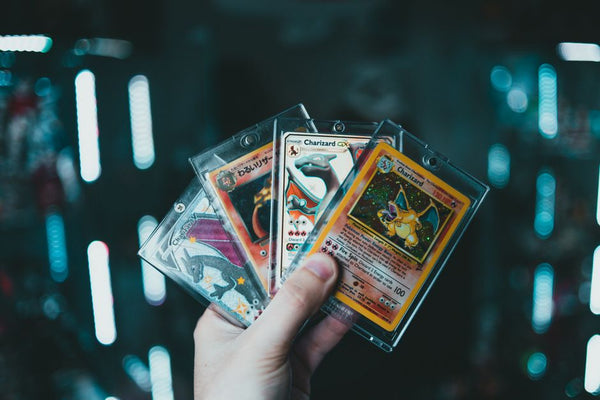
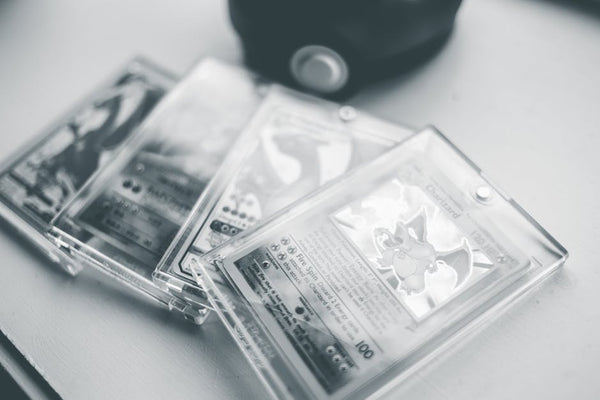
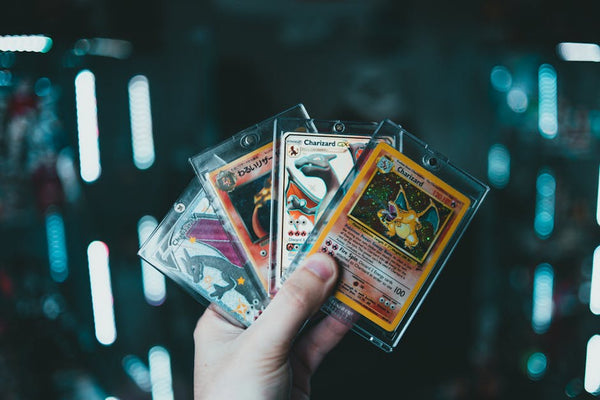
Let's talk real numbers here. A PSA 9 Base Set Shadowless Charizard sold for around $350,000 in 2022. Insane? Maybe. But that same card was selling for $5,000 just five years earlier. That's not luck - that's scarcity meeting nostalgia with a side of celebrity endorsements.
Personally, I think the entire 1998 Japanese Base Set is undervalued compared to English Shadowless cards. The Japanese prints had smaller runs and better quality control. Plus, they're the true first edition Pokemon cards ever made. A PSA 10 Japanese Base Charizard still trades for significantly less than its English counterpart, which makes zero sense from a rarity perspective.
"The most valuable Pokemon cards aren't necessarily the rarest - they're the ones that capture a specific moment in gaming history that people desperately want to own."
But here's where I get conflicted: are these prices sustainable? The vintage card market feels like it's built on pure emotion rather than actual utility. Unlike sports cards where you're investing in athletic legends, Pokemon cards derive value from fictional creatures. That doesn't make them worthless, but it does make the market more volatile.
Modern Pokemon TCG Investment Opportunities
Now let's get practical. What modern cards should you actually consider for long-term holds?
Alternate art cards from recent sets are lowkey solid investments. The Moonbreon (Umbreon VMAX Alternate Art from Evolving Skies) hit $500+ at release and has settled around $300-350. That's better stability than most crypto tbh. These cards combine playability, stunning artwork, and actual scarcity - they're legitimately hard pulls.
Japanese exclusive promos are another sleeper category. The Yu Nagaba Pikachu promos from 2021? Initially sold for $50-80, now trading around $200-300 for mint copies. Limited distribution plus artist collaboration equals value retention.
Hot take: I think full art trainers are massively undervalued right now. Cards like Marnie full art or Professor Juniper full art from older sets. These characters have genuine fan followings, the artwork is gorgeous, and they see competitive play. Yet they're trading for fraction of what comparable Pokemon cards sell for.
What to Avoid in Pokemon TCG Investing
Ready for some harsh truths? Stop buying random GX/V/VMAX cards thinking they'll moon. I've seen so many customers load up on whatever the newest mechanic is, expecting 10x returns. Doesn't work that way.
Most modern regular holographics are terrible investments. They print millions of these things. Unless it's from a genuinely limited set or features iconic Pokemon with perfect artwork, you're just buying expensive binder filler.
Also, please stop buying into artificial hype cycles. Remember when everyone was convinced Cosmic Eclipse was going to be the next big thing because it was the "last Sun & Moon set"? Where are those prices now? Exactly.
Grading: Your Best Friend or Expensive Mistake?
Should you grade your cards for investment purposes? Depends on what you're working with.
For vintage cards worth over $500 raw, grading is usually smart. The authentication alone adds value, plus protection for long-term storage. But sending your $20 modern holo to PSA hoping it comes back a PSA 10 and suddenly worth $100? You're gambling, not investing.
PSA 10s command premium prices, but the difference between a PSA 9 and PSA 10 can be ridiculous. We're talking about paper quality variations that require magnification to see, yet markets treat them like completely different products. That price gap creates opportunities though - PSA 9 vintage cards often represent better value propositions.
The Pokemon TCG Market Reality Check
Here's something I learned helping a regular customer build their collection: the Pokemon card market isn't actually an investment market. It's a collectibles market with investment characteristics. Big difference.
Real investors buy assets that generate income or have intrinsic value. Pokemon cards generate zero income and their value is entirely speculative. That doesn't mean they can't appreciate dramatically - they obviously can and do. But understanding what you're actually buying matters for setting realistic expectations.
The market also moves differently than traditional investments. Celebrity influence matters way more than it should. Logan Paul buying a PSA 10 Base Set box for $6 million moved the entire vintage market. That's not how mature asset classes behave.
Building a Balanced Pokemon Card Portfolio
If you're serious about Pokemon TCG as an investment vehicle, treat it like a portfolio. Don't put everything into vintage cards or modern cards - split your allocation.
My suggested breakdown for someone starting with $1,000? Put 40% into proven vintage cards (Base Set holos, Neo Genesis cards, maybe some early ex-series), 35% into modern high-end cards (alternate arts, special promos), and 25% into speculative modern plays (new set cards with potential, Japanese exclusives).
Most importantly: only invest what you can afford to lose completely. I've seen people take out loans to buy Pokemon cards thinking it's guaranteed money. The market can turn brutal fast, and when it does, liquidity dries up instantly.
The Pokemon TCG market isn't going anywhere - the franchise is too massive and the nostalgia too strong. But individual card values? Those can swing 50% in either direction based on a single announcement or market shift. Plan accordingly, have realistic expectations, and remember that at the end of the day, you're buying pieces of cardboard because they make you happy.
Whether you're hunting for that perfect PSA 10 vintage card or trying to predict the next breakout modern hit, just remember what got us all here in the first place: these games are supposed to be fun. Don't let the money side completely overtake the joy of actually playing with these amazing cards.
Looking for the right setup? Check out Pokemon TCG at TieredUp Tech — built right here in Orange, TX.







Leave a Comment