


Pokemon TCG Investing: Which Cards Actually Hold Their Value?
Pokemon TCG investing is basically the equivalent of buying a RTX 4090 versus a GTX 1060 — one's gonna age like fine wine, the other's gonna be clearance bin material in two years. The trading card game market has exploded harder than a misconfigured power supply, and honestly, it's both exciting and terrifying to watch.
I've been watching card values fluctuate for years now, and let me tell you something: most people are doing this completely wrong. They're chasing the flashy new releases like they're preordering the latest AAA game without reading reviews first.
The Base Set Holy Grail Mentality
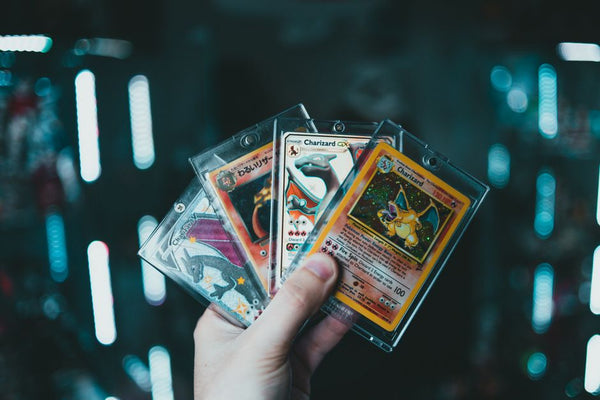
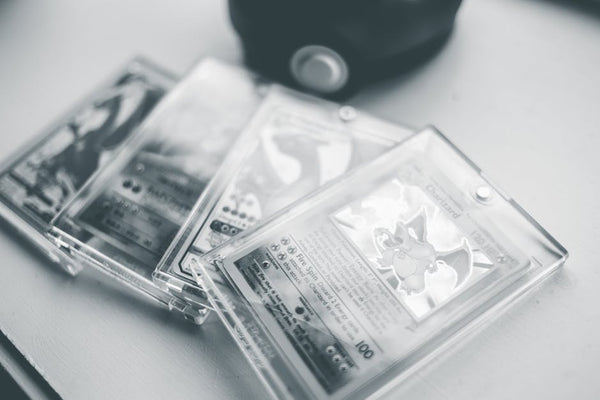
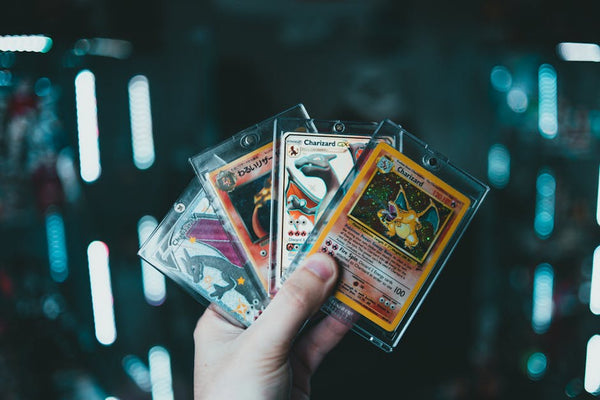
Everyone talks about Base Set Charizard like it's the i9-13900K of Pokemon cards. Sure, it's expensive. Yes, it's iconic. But is it the smartest investment? That's where things get spicy.
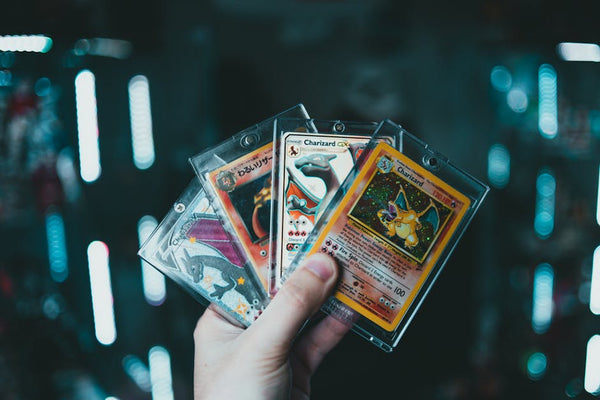
A PSA 10 Base Set Shadowless Charizard hit $350,000 back in 2022. Insane numbers. But here's the thing — that's like saying every graphics card should cost $2,000 because the RTX Titan exists. The reality is way more nuanced.
Personally, I think Base Set cards are becoming the vintage muscle cars of the Pokemon world. Beautiful to look at, incredibly valuable to the right collector, but not necessarily where you want to park your money if you're actually trying to build wealth. The entry point is just too brutal now.
First Edition vs. Unlimited: The MSRP Debate
Think of First Edition cards like Founder's Edition GPUs. Limited production run, higher initial cost, but they maintain premium pricing because of scarcity. Unlimited prints? They're like the standard retail cards that flood the market six months later.
A First Edition Base Set Charizard in PSA 9 condition runs about $15,000-25,000. The Unlimited version? Maybe $3,000-5,000 for the same grade. That price gap isn't shrinking anytime soon.
Modern Sets: Where the Real Money Moves
Hot take: modern Pokemon TCG sets are where smart investors should be looking. I know, I know — everyone's obsessed with vintage cards. But hear me out.
Hidden Fates dropped in 2019, and Shiny Charizard GX from that set has gone from $300 to over $1,500 for a PSA 10. That's a 400% return in four years. Show me a stock that performed that well without massive risk.
The Japanese market is particularly spicy right now. Those Promotion cards and exclusive releases? They're like getting early access to unreleased hardware. The Pokemon 25th Anniversary Golden Box Pikachu hit $800+ for PSA 10, and it's barely two years old.
Special Sets vs. Standard Releases
Not all Pokemon sets are created equal — kinda like how not all motherboard chipsets are worth buying. You've got your standard releases (think B650 boards) and your premium special sets (X670E territory).
Here's what actually matters for card investing:
- Special/Holiday releases with limited print runs
- Japanese exclusive promotions
- Cards tied to major Pokemon anniversaries
- Alternate art versions of popular Pokemon
The recent Pokemon TCG Classic box retailed for $120 and immediately jumped to $300+ on the secondary market. Why? Limited quantities and exclusive cards that you literally can't get anywhere else.
Grading: The Overclocking of Card Collecting
PSA grading is basically overclocking your cards' value potential. A raw card might be worth $50, but slap a PSA 10 label on it? Suddenly you're looking at $200-300. The grade premium is real, but it's also risky.
I've seen too many people send in $20 cards for $30 grading fees, hoping for miracles. That's like buying a $200 CPU cooler for a $150 processor — the math just doesn't work.
BGS (Beckett) tends to be harsher on grading but their 10s command higher premiums. PSA is more accessible but their population reports can tank values if too many 10s exist. Choose your grading service like you'd choose between AMD and Intel — based on your specific needs and budget.
The Population Report Reality Check
Population reports are like Steam player counts for multiplayer games — they tell you everything about long-term viability. A card with 50,000 PSA 10s isn't going to moon anytime soon. But something with under 100 perfect grades? Now we're talking.
The Logan Paul effect taught us that celebrity involvement can absolutely wreck normal market logic. But that doesn't mean you should YOLO your savings into cards because some YouTuber bought them. Be smarter than that.
Japanese vs. English: The Import Game
Japanese Pokemon cards are like importing JDM parts — higher quality, different aesthetic, and often way more expensive. But they're also where serious collectors focus their attention.
Japanese cards typically have better print quality (less off-centering, cleaner cuts) and many exclusive releases never make it to English markets. A Japanese Base Set No Rarity Charizard can sell for significantly more than its English counterpart because of superior production standards.
Working at TieredUp Tech here in Orange, TX, I've helped customers understand that Japanese cards are basically the enthusiast-grade option. You're paying more upfront, but the quality and exclusivity often justify the premium.
The Promo Card Underground
Tournament promos and employee-exclusive cards are the legendary drops of Pokemon investing. These things are handed out in tiny quantities and often become worth serious money years later.
The 1997 Trophy Pikachu cards? We're talking $300,000+ for perfect examples. The Pokemon Illustrator Pikachu hit over $6 million at auction. These aren't cards you stumble into — they're like finding factory-overclocked hardware that was never supposed to leave the testing lab.
Timing the Market vs. Time in the Market
Should you wait for the next market crash to buy in? Maybe. But trying to time Pokemon card markets is like trying to predict GPU price drops during crypto booms — you might be waiting forever.
The smarter play is dollar-cost averaging into cards you actually want to own. Buy consistently, focus on condition, and don't chase every hype train. Remember when everyone was convinced Cryptopunks NFTs would replace traditional collectibles? Yeah, how'd that work out?
I'm genuinely uncertain about where this market goes in the next five years. We could see continued growth as millennials hit their peak earning years and nostalgia drives demand. Or we could see a correction if interest rates stay high and discretionary spending drops.
Building Your Portfolio
Treat your card collection like building a gaming PC — you want balanced performance across all components. Don't put 80% of your budget into one flagship card and cheap out on everything else.
A solid approach might look like: 40% vintage cards (Base Set era), 35% modern high-value cards (last 5 years), 25% speculation on newer releases. Adjust based on your risk tolerance and available capital.
The Pokemon market isn't going anywhere. Nintendo's made sure of that with consistent game releases, anime content, and merchandise. But individual card values? Those can be more volatile than altcoin prices during a bear market.
Smart money focuses on iconic Pokemon (Charizard, Pikachu, Mewtwo), maintains pristine condition standards, and stays patient. The collectors who got rich didn't flip cards monthly — they held quality pieces for years and let compound appreciation do the work. Whether you're building your first deck or hunting that perfect PSA 10, remember that the best Pokemon TCG at TieredUp Tech starts with understanding what actually holds value in this wild, wonderful, and occasionally frustrating market.










Leave a Comment