


Pokemon TCG Investing: Which Cards Actually Hold Their Value?
Pokemon TCG investing is wild right now. Cards that used to sit in shoeboxes are selling for mortgage payments. But here's the thing — not every shiny Charizard is gonna make you rich.
I've watched the Pokemon TCG market explode over the past few years. Between Logan Paul dropping millions on Base Set boxes and streamers ripping packs for content, everyone thinks they're the next trading card mogul. Reality check: most people are throwing money at cardboard that'll be worth pennies in five years.
So which Pokemon cards actually hold their value? Let's break down what separates solid investments from complete busts.
Base Set Forever Cards: The Blue Chips of Pokemon TCG
Base Set 1998 cards aren't going anywhere. Period.
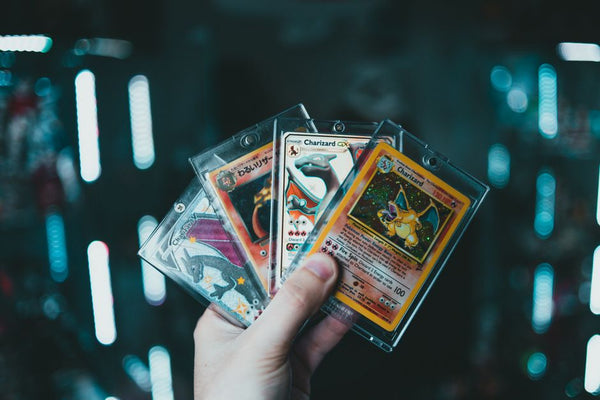
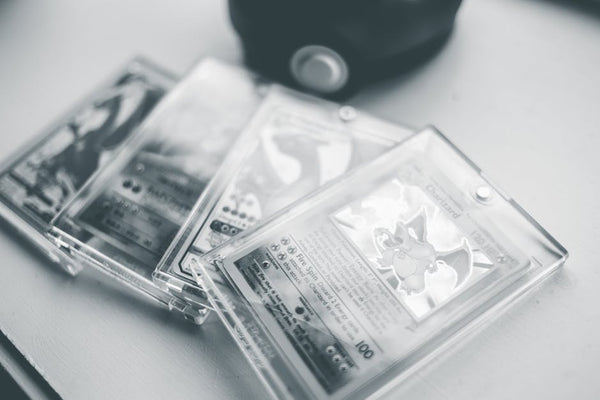
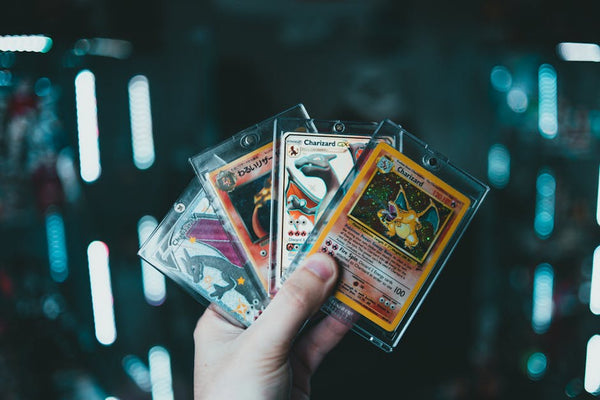
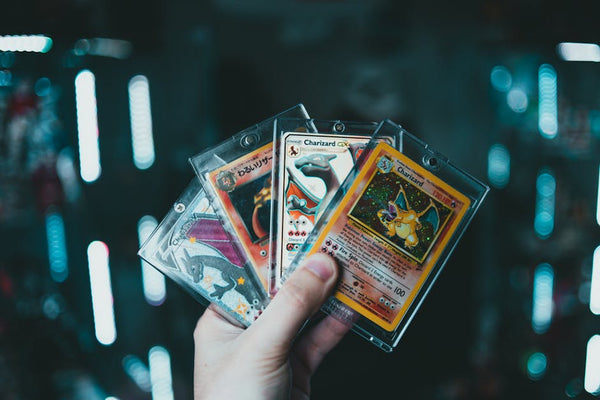
That shadowless Charizard? Still king. A PSA 10 sold for $350,000 in 2022, and even beat-up copies go for thousands. The Base Set Blastoise and Venusaur follow similar patterns — not Charizard money, but they're climbing steady.
Here's why Base Set cards are different. They're the OG Pokemon cards that started everything. Every 90s kid knows them. That nostalgia factor hits different when those kids now have disposable income and mortgages to regret.
But condition is everything with these vintage cards. A PSA 9 Charizard might hit $50k while a PSA 7 struggles to break $10k. The grading game matters hardcore for anything pre-2000.
Hot take: Japanese Base Set cards are undervalued compared to English versions. The artwork is identical, population is lower, but prices are like 30% cheaper. Makes zero sense tbh.
What Makes Base Set Special
Supply is fixed forever. No more Base Set cards are getting printed. Meanwhile, demand keeps growing as Pokemon stays massive and new collectors enter the market. Basic economics.
The other factor? These cards survived the late 90s and early 2000s when nobody cared about condition. Most got destroyed by kids actually playing with them. The high-grade survivors are genuinely rare.
Modern Pokemon TCG: Chasing the Next Big Thing
Modern Pokemon investing is trickier than a Ditto transformation. Print runs are massive, everyone's keeping cards mint, and half the "investments" are pure speculation.
That said, some modern cards are absolutely crushing it. The Pokemon 25th Anniversary Classic Collection Charizard hit $500+ for PSA 10s. Special delivery Bidoof — yes, Bidoof — spiked to over $1000 because it was a promo nightmare to obtain.
Japanese exclusive sets often outperform English cards long-term. The Japanese market is more mature, they respect card condition religiously, and their exclusive artwork hits different. Eevee Heroes cards from Japan still command premiums over English releases.
But here's where modern investing gets sketchy. When I'm helping customers at our shop here in Orange, TX, I see people dropping hundreds on fresh Pokemon cards thinking they're guaranteed to moon. That's not how this works.
The Modern Card Trap
Print runs today are insane compared to the 90s. That rare card everyone's hyping? Pokemon printed millions of them. Supply matters more than hype for long-term value.
Plus, grading standards are stricter now. Getting PSA 10s on modern cards is harder than it used to be, but more people are trying. Competition is fierce for the best grades.
Tournament Winners and Competitive History
World Championship cards tell interesting stories. The 1998 Pikachu Illustrator might be the holy grail — only 40-50 copies exist, and one sold for $5.275 million in 2022.
But you don't need million-dollar cards to see solid returns. World Championship trophy cards from the early 2000s have done well. Even some staff promos from major events hold value because the print runs were tiny.
Personally, I think tournament history cards are underrated investments. They have concrete backstories, limited populations, and they're part of competitive Pokemon TCG lore. Way more interesting than another alt-art Charizard imo.
The Promo Problem
Not all promos are created equal. McDonald's promos get printed by the millions — they're fun but not investment material. Black Star promos vary wildly. Some are worth cents, others hit hundreds.
The key with promos? Distribution method and actual rarity. If everyone could get it easily, it's probably not valuable long-term.
Grading: The Make or Break Factor
Raw cards are dead money for serious Pokemon TCG investing. Grading isn't optional anymore — it's mandatory.
PSA dominates the Pokemon market, but BGS and CGC have their place. A PSA 10 typically commands the highest premiums, but BGS Black Labels (perfect 10s on all subgrades) can actually exceed PSA prices on the right cards.
Here's what kills most people's grading submissions: surface scratches, print lines, and centering issues. Modern cards come out of packs with defects. Even "pack fresh" doesn't guarantee gradeable condition.
The grading fees add up fast. At $20-50 per card plus shipping, you need to be confident about potential value. Grading a $20 card hoping for a bump rarely works out.
Market Manipulation and Hype Cycles
The Pokemon TCG market has serious manipulation issues. Influencers pump specific cards, prices spike temporarily, then crash when the hype dies. Seen it happen dozens of times.
Logan Paul effect was real but temporary for most cards. His Base Set box openings drove crazy short-term spikes, but only the genuinely rare cards maintained elevated prices afterward.
TikTok and YouTube creators constantly hype "undervalued" cards. Usually means they're sitting on inventory they want to dump. Be skeptical of sudden price movements without clear fundamental reasons.
Reading the Tea Leaves
Honestly, predicting Pokemon card values feels impossible sometimes. Who would've thought Special Delivery Bidoof would hit four figures? Or that Crystal Kingdra would outperform most GX cards?
The safest plays remain obvious: condition-sensitive vintage cards, genuine tournament history pieces, and Japanese exclusives with solid artwork. Everything else is speculation disguised as investing.
What Actually Holds Value Long-Term
After watching this market for years, here's what consistently performs: cards with fixed supply, cultural significance, and genuine scarcity.
Base Set holos check every box. Neo Genesis first edition cards are climbing steadily. Early Japanese promos with tiny print runs keep appreciating. These aren't get-rich-quick plays — they're decade-plus holds.
Modern cards need extra criteria. Exclusive distribution, popular Pokemon, and premium presentation quality help. But even then, you're betting against massive print runs and market saturation.
The Pokemon TCG at TieredUp Tech moves constantly, and I've noticed patterns. Vintage always has buyers. Modern cards need perfect storms to maintain value.
Real talk? Most Pokemon TCG investing isn't investing — it's gambling with extra steps. The market is young, volatile, and driven by emotions more than fundamentals. Treat it like entertainment spending, not retirement planning.
Want my advice? Buy cards you actually like looking at. The market might crash tomorrow, but at least you'll have something cool to stare at while you cry about your portfolio.











Leave a Comment