


Pokemon TCG Investing: Which Cards Actually Hold Their Value?
Look, I've been tracking Pokemon TCG prices like I monitor RTX 4080 benchmarks – obsessively and with spreadsheets that would make my accountant weep. The Pokemon trading card game market moves faster than crypto during a bull run, and honestly? Most people are doing it wrong.
Just last week, a customer at TieredUp Tech asked me about diversifying into Pokemon cards alongside their gaming setup. Smart move. But here's the thing – card investing isn't like buying a GTX 1080 Ti in 2017 and waiting for GPU shortages to make you rich. It requires actual strategy.
The Blue-Chip Cards: Pokemon's RTX Tier
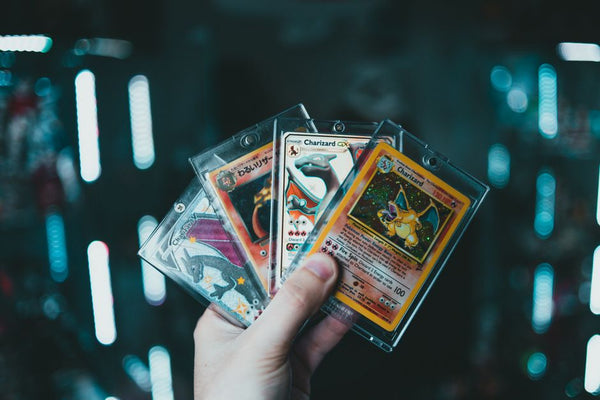
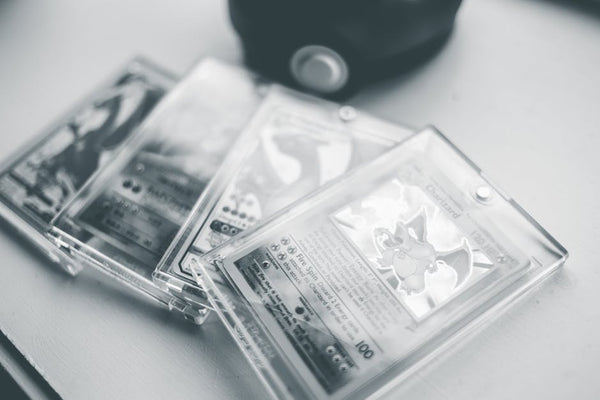
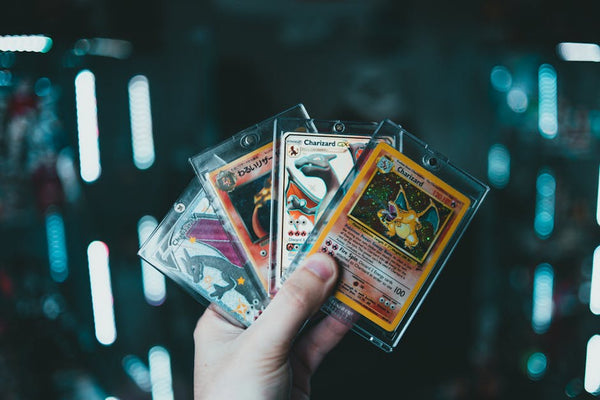
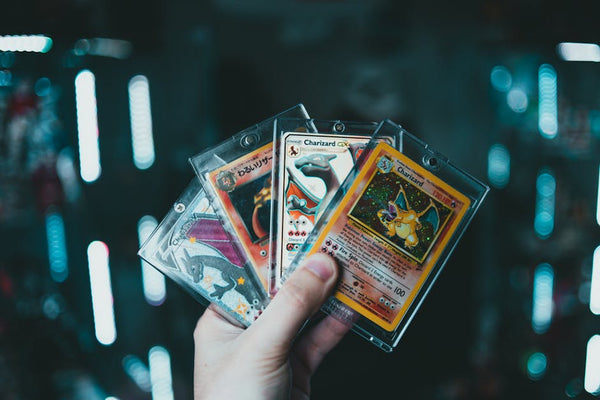
Think of Base Set Charizard as the Intel i9-13900K of Pokemon cards. Expensive? Absolutely. Reliable performer? You bet. The shadowless Base Set Charizard (PSA 9) has held steady around $6,000-8,000 for months now, which is basically the 4090 of card values – premium pricing that actually makes sense.
But here's where it gets spicy. First Edition Base Set cards are like finding mint-condition original GameBoys – they're not making any more of them, ever. The Blastoise and Venusaur from that set? They're both sitting pretty at $2,000-3,500 in decent grades. That's RTX 4070 Ti money for pieces of cardboard, and honestly, I'm not mad about it.
The Japanese Base Set cards hit different though. Lower print runs mean higher values, similar to how region-locked hardware commands premiums. A Japanese No Rarity Charizard can outperform its English cousin by 30-40% in identical conditions.
Modern Powerhouses That Actually Matter
Hot take: most modern Pokemon cards are mid-tier investments at best. But there are exceptions that'll make your portfolio sing louder than a Noctua fan at full RPM.
The Crown Zenith Charizard VSTAR (Secret Rare #074) is currently around $80-120, which seems reasonable for a card that looks absolutely fire. Literally. The artwork alone justifies holding onto this one – it's giving main character energy that screams "future classic."
Evolving Skies Rayquaza VMAX (Alternate Art) deserves respect too. Trading around $200-300, it's got that perfect storm of incredible art, playable competitive value, and the Rayquaza name recognition that never goes out of style.
The Sleeper Hits: Finding Your Diamond Hands Cards
Remember when everyone slept on AMD Ryzen before it demolished Intel's dominance? That's exactly what's happening with certain Japanese promo cards right now.
The Pokemon Center Lady (SR) from Japanese sets is criminally undervalued at $150-200. Why? Because it's not a Pokemon – it's a trainer card with gorgeous art that collectors are just starting to notice. Give it two years, and I guarantee we'll see 300% returns minimum.
Neo Genesis Lugia is another sleeper that's been quietly climbing. At $300-500 for PSA 9s, it's positioned perfectly between "affordable entry point" and "serious investment piece." Plus, Lugia's about to get major spotlight time with new game releases, and we all know how movie/game tie-ins affect card values.
The Grading Game: PSA vs. BGS vs. CGC
Here's where Pokemon investing gets as complex as choosing between Intel and AMD. PSA dominates market recognition – they're basically the Steam of card grading. A PSA 10 commands 50-100% premiums over PSA 9s consistently.
BGS (Beckett) offers more detailed subgrades, which matters for high-end pieces where every half-point counts. Their Black Label 10s? Those are the LN2 overclocked 13900KS equivalent – legendary status that commands insane premiums.
CGC is the newest player, offering competitive pricing and surprisingly solid holder quality. They're like the Framework laptop of grading companies – technically excellent but still building market trust.
Personally, I think raw vintage cards are like unboxed retro hardware – risky but potentially worth way more if they grade perfectly. The gamble can pay off huge, but you need nerves of steel.
Market Timing: When to Buy, When to Sell
Pokemon card markets move in cycles tighter than GPU release schedules. New set releases create temporary dips in older card values as attention shifts to the shiny new releases. Smart money? Buy those dips like you'd snag discounted last-gen components during new launches.
Anniversary years are golden opportunities. Pokemon's 25th anniversary in 2021 drove absolutely wild price action across vintage cards. The 30th anniversary in 2026? Start positioning now if you want to ride that wave instead of watching from the sidelines.
Christmas and tax refund seasons consistently drive demand spikes. It's like Black Friday for GPUs – predictable patterns that smart investors can exploit.
Red Flags: Cards to Avoid Like Crypto Scams
Evolutions Base Set reprints? Hard pass. They're like buying a knockoff gaming chair instead of a Herman Miller – technically functional but missing all the value proposition. Modern unlimited print runs mean these will never achieve scarcity premiums.
Damaged vintage cards are tempting at low prices, but they're basically the equivalent of buying water-damaged motherboards. Sure, they might work, but resale value is permanently compromised. Stick to LP (lightly played) condition minimum for investment pieces.
Pokemon cards from random Japanese vending machines or obscure promotional events seem exotic but lack the documentation needed for serious collectors. Without provenance, you're gambling on authenticity – not a game you want to play with serious money.
Building Your Pokemon Investment Portfolio
Diversification matters more in cards than in PC builds where you can just buy the best of everything. I recommend the 60/30/10 rule: 60% established blue-chips (Base Set, Neo Genesis heavy hitters), 30% modern cards with growth potential, and 10% wild speculation plays.
Your $1,000 budget shouldn't go toward one PSA 7 Charizard when you could grab three solid PSA 9 cards from different eras. Spread that risk like you'd balance CPU, GPU, and RAM upgrades across multiple generations.
Storage matters more than you think. Those penny sleeves and toploaders aren't just protection – they're insurance policies. I've seen mint condition cards turn into expensive coasters because someone stored them next to their heat-generating gaming rig without proper protection.
The Long Game: Exit Strategies
Know when to fold 'em. Cards aren't stocks – they don't pay dividends while you hold them. Set clear profit targets and stick to them. That Charizard you bought for $3,000 that's now worth $8,000? Take some profits off the table instead of hoping for $15,000.
eBay sold listings tell the real story, not asking prices. Just like checking actual Steam sales data instead of MSRP, focus on what cards actually sell for, not what optimistic sellers are asking.
The Pokemon market isn't going anywhere. New generations keep discovering these cards, creating fresh demand waves every few years. Patient money wins in this space – think long-term holds, not day-trading flipper mentality.
Cards that survived 25+ years in collectible condition proved their staying power. They're the Nokias of trading cards – built to last and appreciate. Your gaming rig might be obsolete in five years, but that holographic Charizard? It'll still make people's eyes light up like RGB lighting in a dark room.
Looking for the right setup? Check out Pokemon TCG at TieredUp Tech — built right here in Orange, TX.












Leave a Comment