


Pokemon TCG Investing: Which Cards Actually Hold Their Value?
Honestly? The Pokemon TCG investment scene is absolutely wild right now. I've watched customers at TieredUp Tech drop hundreds on cards they think will moon, only to see those same cards sitting in binders six months later worth maybe half what they paid. But here's the thing — some cards really do hold their value, and knowing which ones can save you from becoming another cautionary tale.
Let me be clear upfront: I'm not your financial advisor. But after years of watching this market swing from sensible collecting to complete madness and back again, I've got some thoughts on what actually retains value versus what's just hype.
The Foundation Cards That Never Go Out of Style
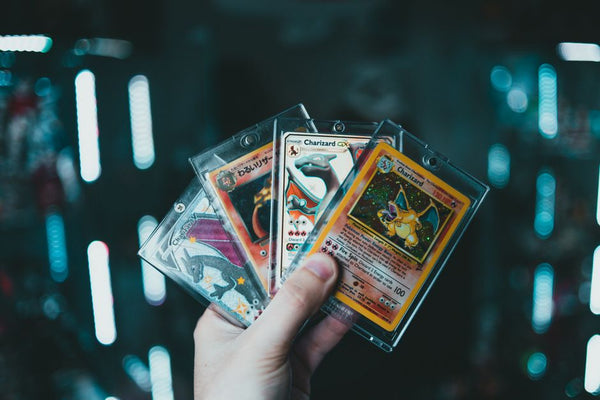
Base Set Charizard. Period.
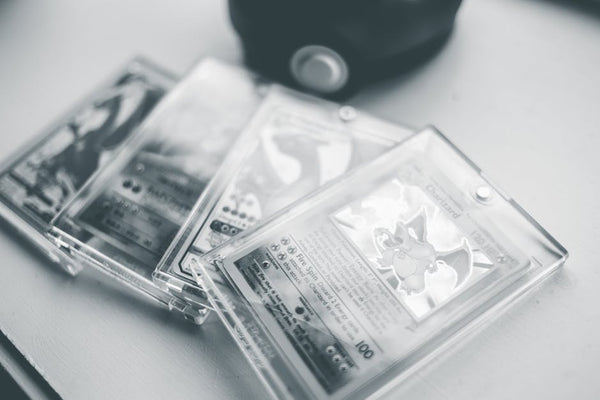
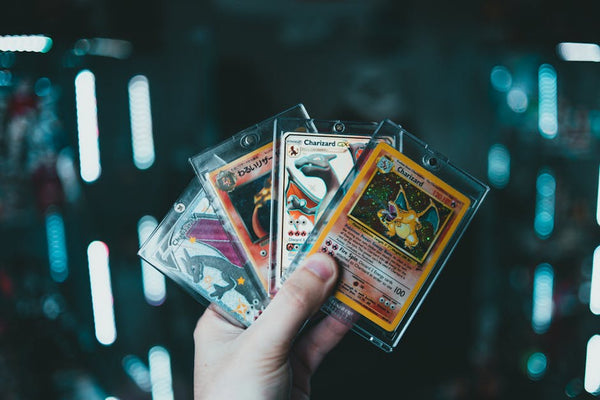
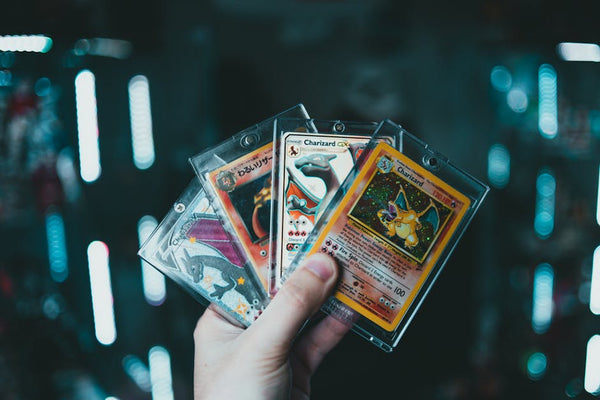
Yeah, I know everyone talks about this card, but there's a reason. A PSA 10 First Edition Base Set Charizard sold for $350,000 in 2022. Even raw copies in decent condition hold steady around $300-500. Why? Simple psychology — it's the card everyone remembers wanting as a kid.
But here's where it gets interesting: what about the other foundation cards that don't get the same attention? Base Set Blastoise and Venusaur in high grades consistently perform well. Not Charizard numbers, obviously, but they're not volatile either. A PSA 9 Blastoise typically runs $800-1200, and that range has been remarkably stable for two years now.
Hot take: Base Set 2 cards are criminally undervalued. Yeah, they're technically reprints, but they're from 2000 — that's still 24 years old. The print quality was actually better than original Base Set in many cases, yet they trade for maybe 20% of Base Set prices. That math doesn't add up to me.
Japanese vs. English: The Eternal Debate
Which holds value better — Japanese or English cards? Honestly, it depends on what you're buying. Japanese cards often have better print quality and smaller print runs, but English cards have broader market appeal in the US.
Take Japanese Base Set No Rarity Charizard versus English Base Set Charizard. The Japanese version is technically rarer and often better centered, but the English version consistently sells for more because more people recognize it. Go figure.
Modern Pokemon TCG Cards: Separating Hype from Reality
Modern card investing is where things get spicy. And by spicy, I mean where most people get burned.
The chase cards from recent sets like Evolving Skies or Brilliant Stars? Most of them tank hard after the initial hype. That $300 Rayquaza VMAX alternate art from Evolving Skies? It's sitting around $80-100 now. Ouch.
But some modern cards do hold value. Special delivery Bidoof (yes, really) maintains its $400+ price point because it was genuinely limited. Pokemon Go cards with the actual Pokemon Go stamp have stayed solid. The key difference? Actual scarcity versus artificial scarcity.
Remember when everyone was going crazy for Fusion Strike? "This will be the next big thing!" they said. Nah. Most of those cards are worth pennies now because the set was printed into oblivion. Print run matters more than people want to admit.
The Promo Card Goldmine (And Minefield)
Promo cards are weird. Some are worth thousands, others aren't worth the cardboard they're printed on. What's the difference?
Distribution method is everything. Cards given away at Pokemon Centers or specific events maintain value because they had limited, controlled distribution. Cards from magazine inserts or mass promotions? Not so much.
The Black Star promos from the late 90s and early 2000s are particularly interesting. Cards like the Pokemon Movie promos or the Toys"R"Us exclusive Mew consistently hold value because they represent specific moments in Pokemon history.
What Actually Makes a Pokemon Card Investment-Worthy?
After watching this market for years, I've noticed patterns. Cards that hold value usually check these boxes:
Nostalgic appeal: Does it remind people of their childhood? Base Set cards dominate here.
Genuine rarity: Was it actually hard to get, or just expensive? There's a difference.
Iconic status: Is this a card people who don't even play Pokemon would recognize?
Print quality: Does it actually look good, or is it a rushed cash grab?
But here's what really matters — condition. A PSA 10 card can be worth 10x more than the same card in PSA 8. The grading game has changed everything about card investing, for better or worse.
The Grading Question: Worth It or Waste?
Should you grade every card you think might be valuable? Absolutely not. Grading costs $20-50 per card depending on service level and turnaround time. Unless you're confident a card will grade PSA 9 or 10 AND that the graded value exceeds raw value by more than your grading costs, you're just burning money.
I've seen people grade $5 cards hoping for a miracle. Don't be that person.
Cards to Avoid: The Value Traps
Not all Pokemon cards are created equal. Some categories consistently disappoint investors:
World Championship cards look cool but have minimal resale value because they're clearly marked as non-tournament legal. Jumbo cards are novelty items that rarely appreciate. Most theme deck exclusive cards stay cheap because theme decks were mass-produced.
And please, for the love of Arceus, stop buying resealed product thinking you'll find treasure. You won't. That "vintage" booster box on eBay with the suspicious shrink wrap? It's been searched. Trust me on this one.
The Modern Trap: Chasing New Releases
Every new set release brings the same pattern: insane pre-order prices, massive initial hype, then reality setting in as supply catches up with demand. Remember Pokemon 25th Anniversary? Those $250 ETBs are now $60 retail.
If you want to invest in modern cards, wait. Let the dust settle. The cards that survive the initial crash are the ones worth watching.
Building a Value-Focused Pokemon TCG Collection
So what's my actual advice for building a collection that holds value? Start with cards you genuinely like. Sounds cheesy, but hear me out — if you actually enjoy owning the card, you won't panic sell when prices dip.
Focus on condition over quantity. Five PSA 9-10 cards will outperform fifty raw near-mint cards every single time. And honestly? Buy the card, not the grade. I've seen people pay $500 for a PSA 10 card that would cost $50 raw, just because of that plastic case.
Diversify beyond just chase cards. Some of the best performing cards in my collection are ones nobody talks about — clean Japanese promotional cards from the early 2000s, for example.
Where to Actually Buy Cards Worth Keeping
Avoid the obvious traps. eBay can be great, but know what you're buying. Local card shops often have hidden gems, especially if they've been around since the original Pokemon boom. At our shop here in Orange, TX, we occasionally get collections from people who stored cards properly for decades — that's where the real finds are.
Estate sales and garage sales can be goldmines, but you need to know what you're looking at instantly. If you're still learning card values, stick to established sellers with return policies.
The Reality Check: Pokemon Cards as Investments
Let's be brutally honest about something: most Pokemon cards aren't good investments in the traditional sense. The market is volatile, emotional, and driven by nostalgia more than fundamentals. Can you make money? Absolutely. Will you? That depends on your knowledge, timing, and honestly, some luck.
The people making real money in Pokemon cards aren't just buying and holding — they're actively learning the market, understanding print runs, following tournament results, and treating it like the complex market it actually is.
But if you're going to play this game anyway (and tbh, it can be fun), focus on cards that have already proven their staying power. Base Set holos, clean vintage Japanese cards, and genuinely rare promos have track records. Everything else is speculation.
The Pokemon card market isn't going anywhere, but it's also not a get-rich-quick scheme. Treat it like the long-term hobby investment it actually is, and you'll probably do just fine. Chase quick flips on modern cards, and you'll likely end up with expensive cardboard and expensive lessons.
Whether you're browsing Pokemon TCG options or diving deep into vintage Japanese cards, remember this: the best card collections are built by people who actually understand what they're buying, not just what YouTube told them was hot.








Leave a Comment