


Pokemon TCG Investing: Which Cards Actually Hold Their Value?
Let's be real. Pokemon TCG investing isn't just about nostalgia anymore. I've been tracking card prices for years, and honestly? The parallels between the trading card game market and hardware investing are pretty wild. Both require timing, market knowledge, and knowing when hype doesn't equal long-term value.
Working at TieredUp Tech in Orange, TX, I see people drop serious cash on GPUs expecting them to hold value. Cards work similarly. You need fundamentals, not just flashy holographics.
The Pokemon TCG Investment Reality Check
First things first. Card investing is risky. Like buying a 4090 right before new architecture drops risky. But some Pokemon cards have legitimately outperformed the stock market over the past decade.
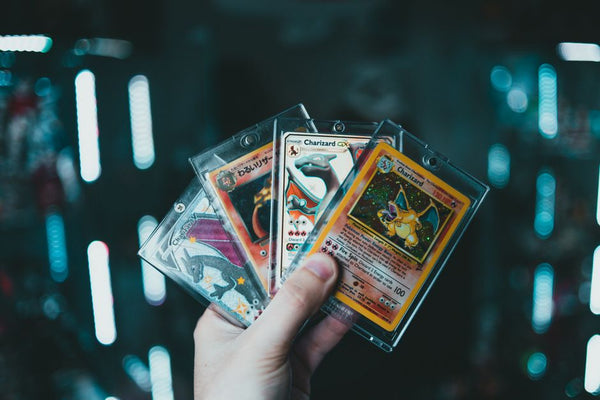
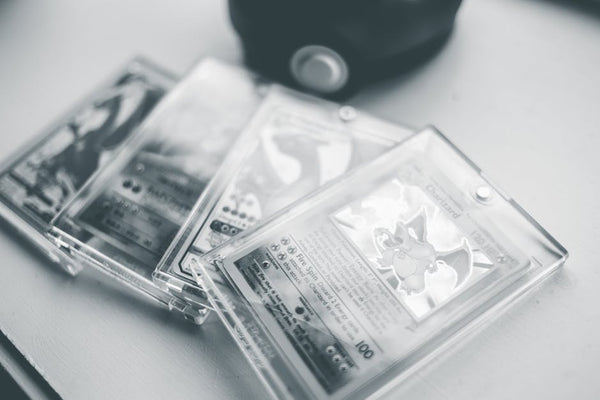
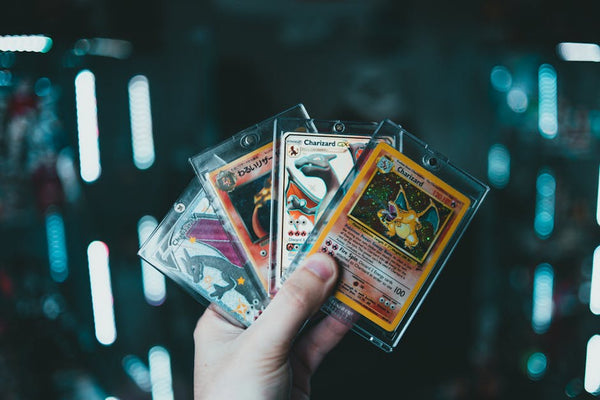
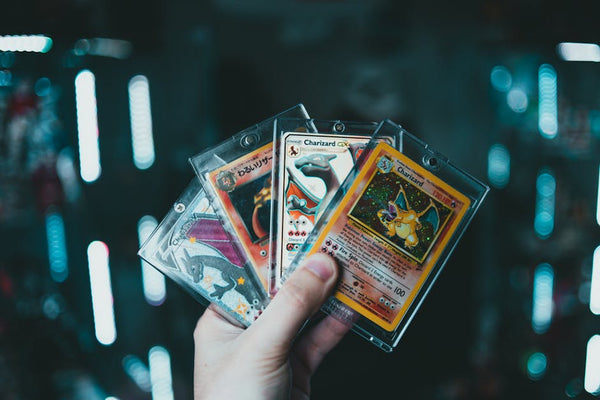
Base Set Charizard? We're talking $6,000+ for PSA 10s. That's insane ROI if you bought in 2010. But here's the thing — most people didn't have the patience or market knowledge to hold that long.
The key is understanding what drives Pokemon TCG value:
- Competitive viability in tournament play
- Nostalgic appeal (Gen 1 dominates here)
- Rarity and print runs
- Condition (PSA/BGS grading is everything)
Modern Pokemon Cards Worth Watching
Hot take: focusing only on vintage is a mistake. Modern Pokemon TCG sets have some absolute sleepers that could explode in 5-10 years.
Alternate Art cards from recent sets are lowkey undervalued. The artwork quality has genuinely improved, and these feel like the holographic cards of our generation. Moonbreon from Evolving Skies hit $300+ at peak hype, dropped to $150, now sitting around $200. That's stabilization, not a crash.
Japanese exclusive promos consistently outperform English versions. Cultural significance matters in this space. The Logan Paul effect showed us how mainstream attention affects prices, but Japanese collectors have been steady for decades.
Specific Cards I'm Tracking
Charizard VMAX from Darkness Ablaze. Yeah, I know. Another Charizard. But this card combines modern appeal with the most popular Pokemon ever. It's been climbing steadily for two years.
Personally, I think Pikachu V-UNION from Celebrations is criminally underrated. Limited print run, unique mechanic, connects four cards together. It's weird enough to develop a cult following.
Gold cards from any recent set. These typically have lower pull rates than alternate arts but similar visual appeal. The market hasn't caught up to their scarcity yet.
Vintage vs Modern Pokemon TCG: The Investment Split
Vintage cards are blue chips. Stable returns if you're buying graded copies. Base Set, Jungle, Fossil — these aren't speculation anymore. They're established collectibles.
But vintage has problems. Authentication is brutal. Fake cards everywhere. Condition sensitivity is extreme — a small crease can tank value by 80%. You're basically buying stocks that can be destroyed by humidity.
Modern cards offer better entry points and clearer market signals. Tournament results directly affect prices. When a card dominates Worlds, you see immediate price movement. It's like watching GPU prices react to mining profitability in real-time.
The Grading Game
PSA 10 or nothing. Seriously. The gap between PSA 9 and PSA 10 pricing is ridiculous, but that's the market reality. A PSA 9 Base Set Charizard might sell for $2,000. PSA 10? Six grand minimum.
BGS gets respect for tough grading standards, but PSA has market dominance. It's like NVIDIA vs AMD — both make good products, but one has mindshare.
Grading costs add up fast though. $50+ per card for standard service, months of waiting. You need to be confident about condition before sending anything in.
Tournament Meta and Pokemon TCG Investment Strategy
Here's where my gaming background becomes relevant. Understanding competitive Pokemon TCG gives you serious advantages in card investing.
When a new set drops, tournament players immediately identify the broken cards. These spike hard and fast. But here's the thing — some maintain value because they reshape the meta permanently. Others crash when the next set provides counters.
Professor's Research from any set will probably hold value long-term. It's a staple draw card that sees play in almost every deck. Compare that to something like Inteleon VMAX, which was meta for six months then disappeared completely.
Tracking tournament results isn't just useful for playing — it's market intelligence. When Miraidon ex dominated early Paldea format tournaments, those cards jumped 200% in a week. Smart money was already positioned.
Regional Differences Matter
Japanese Pokemon TCG prices often predict English card movements by 6-12 months. Japan gets sets first, establishes competitive meta, then English markets follow those trends.
Korean cards are interesting sleepers. Lower print runs, growing collector base, but still affordable compared to Japanese equivalents. I've been watching Korean alternate arts closely.
The Real Talk on Pokemon TCG Risks
Let's address the elephant in the room. This market can absolutely crash. We saw taste of it in 2022 when stimulus money dried up and people needed cash. Prices dropped 30-50% across the board.
Reprints kill value instantly. Pokemon Company doesn't care about your investment portfolio. If they want to reprint Base Set Charizard in a premium box, they'll do it. Classic series reprints have tanked plenty of "investment grade" cards.
The bubble concern is real. When your barber starts asking about Pokemon card investing, maybe it's time to take profits. We've seen this movie before with Beanie Babies, comics, sports cards.
But honestly? Pokemon has staying power those other fads lacked. It's a multimedia franchise generating billions annually. The games aren't going anywhere, the anime continues, and new generations discover it constantly.
Should you treat Pokemon TCG as serious investment strategy? Probably not your retirement plan. But as alternative asset allocation? There's worse ways to diversify.
The key is treating it like hardware collecting — buy what you genuinely appreciate, understand the market cycles, and don't invest money you can't afford to lose. Whether that's vintage Charizards or modern alternate arts, Pokemon TCG at TieredUp Tech reflects the same principles that drive any collectible market: scarcity, demand, and time.
NGL, I'd rather have a PSA 10 Base Set Blastoise than most stocks right now. At least I can look at it while the market does whatever markets do.











Leave a Comment