


Magic: The Gathering Final Fantasy Crossover — Is It Worth Your Hard-Earned Cash?
Okay, let's talk about the elephant in the room. The MTG Final Fantasy crossover just dropped, and half my Twitter feed is either losing their minds with excitement or declaring it the death of Magic as we know it. Honestly? Both reactions are pretty cringe.
I've been fielding questions about this crossover nonstop at TieredUp Tech here in Orange, TX, and the curiosity is real. But before you blow your paycheck on booster boxes, let's break down whether this trading card game mashup actually delivers value or if it's just expensive nostalgia bait.
What Even Is This MTG Final Fantasy Thing?
For those living under a rock (no judgment), Wizards of the Coast teamed up with Square Enix to create Magic: The Gathering cards featuring Final Fantasy characters, spells, and locations. We're talking Cloud Strife with a casting cost. Terra wielding both magic and mechanics. Sephiroth looking absolutely busted on cardboard.
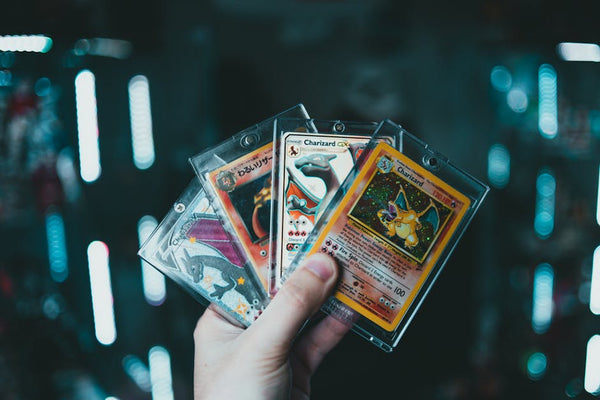
The product comes in several formats: Secret Lair drops, collector boosters, and special bundle sets. Prices range from $30 for basic Secret Lair drops to $250+ for premium collector boxes. That's Pokemon TCG territory right there.
But here's where it gets spicy — these aren't just pretty pictures slapped onto random cards. The design team actually put effort into making the mechanics match the characters. Cloud's limit break ability? It's literally a mechanic on his card. That attention to detail had me genuinely impressed when I first saw the spoilers.
The Good: When Nostalgia Meets Solid Design
Let me start with what works, because there's actually quite a bit. The art quality is absolutely insane. We're talking museum-worthy illustrations that capture the essence of Final Fantasy while fitting Magic's aesthetic. That's no easy task, and they nailed it.
The mechanical design shows real thought too. Remember how Phoenix was always this high-cost, game-changing summon in Final Fantasy? Well, the Phoenix card requires serious mana investment but can completely flip a losing game. It's that kind of thematic consistency that makes my inner game designer happy.
Personally, I think the Limited format potential is where this set really shines. Drafting with Final Fantasy characters creates this weird but wonderful experience where you're building armies of classic RPG heroes. Had a customer last week tell me his draft felt like playing Final Fantasy Tactics, and honestly, that comparison tracks.
The Bad: Wallet-Crushing Reality Check
Now for the brutal truth — this stuff is expensive as hell. A single booster pack runs $15-20, which makes Pokemon TCG look budget-friendly. That's wild considering you used to be able to grab Magic packs for $4 back in the day.
The Secret Lair exclusivity model is particularly frustrating. Want that gorgeous Terra card? Better hope you caught the limited-time window and had $40 burning a hole in your pocket. Miss it? Enjoy paying secondary market prices that'll make your credit card weep.
And let's be real about competitive viability. Most of these cards are designed for casual play and collecting, not tournament grinding. If you're looking to dominate Friday Night Magic, your money's better spent on proven staples from regular sets.
The Price vs Value Equation
Here's where my GameStop retail experience kicks in — I've seen countless customers get burned by flashy collectibles that tanked in value. So what's the actual financial outlook here?
Short-term? Prices are inflated by hype and limited supply. Long-term? That depends entirely on whether these cards find homes in actual decks or just sit in binders looking pretty.
Hot take: the true value isn't in flipping these for profit. It's in the crossover appeal bringing new players to Magic: The Gathering. I've already seen Final Fantasy fans who've never touched a trading card game picking up starter decks after seeing Cloud Strife in cardboard form.
"The best collectibles are the ones you actually enjoy owning, not the ones you're hoping will pay for your mortgage."
That philosophy has served me well through countless gaming market crashes and booms.
Who Should Actually Buy This?
If you're a die-hard Final Fantasy fan with disposable income? Go for it. The nostalgia hit alone might be worth the premium, and the art quality ensures these'll look great on display.
Casual Magic players looking for unique Commander cards? Absolutely. These characters bring fresh dynamics to multiplayer games, and the power level seems carefully calibrated to avoid breaking anything.
Tournament grinders? Probably skip it unless specific cards prove themselves in competitive play. Your money goes further with singles from proven sets.
Parents buying for kids? Maybe grab a starter deck to test interest, but don't go crazy on the premium products until you know they're genuinely hooked.
The Secondary Market Reality
Here's something most reviews won't tell you — the secondary market is already showing some interesting patterns. Magic: The Gathering Singles from this crossover are commanding premium prices, but not uniformly.
Character cards like Cloud and Sephiroth are holding value well. Generic spell cards with Final Fantasy art? Already dropping toward reasonable prices. That's actually good news if you want to try the gameplay without paying collector premiums.
The lesson? Cherry-pick singles instead of gambling on packs. You'll get the cards you actually want without funding Wizards' yacht collection.
Is The Gameplay Actually Fun?
Okay, but do these cards actually play well? Because pretty art means nothing if the mechanics are boring.
From my playtesting experience, the answer is mostly yes. The limit break mechanics create these exciting buildup moments that feel appropriately Final Fantasy. Summon spells have impact without being oppressive. The mana costs seem fair for the effects.
There's one area where I'm genuinely uncertain though — long-term balance. Some of these effects are pretty unique for Magic, and it's hard to predict how they'll interact with future sets. Will we look back on this as clever innovation or a problematic precedent?
My Final Verdict (Pun Intended)
Should you buy the MTG Final Fantasy crossover? It depends entirely on what you value.
If you want every card and don't mind paying premium prices, the collector products deliver on quality. If you're curious but budget-conscious, wait six months and buy singles. If you're a competitive player focused purely on tournament performance, your money's probably better invested elsewhere.
Personally, I think this crossover represents something important for the trading card game space — proof that thoughtful collaboration can create products that respect both franchises involved. Whether that's worth $200+ is between you and your bank account.
The real question isn't whether this crossover is perfect. It's whether the gaming industry learns the right lessons from its success or failure. Because if this works, expect a whole lot more franchise mashups coming down the pipeline.

















Leave a Comment