


Why SoftBank's $100 Billion Data Center Play Should Get Gamers Pumped About Custom Gaming PC Builds
SoftBank just dropped some absolutely wild news that's got my PC building brain spinning. They're planning to launch a massive AI and robotics startup in the US focused on data centers, targeting a $100 billion valuation with an IPO planned for this year. Now you might be thinking, "Marcus, what the hell does this have to do with my gaming PC build?" Bro, everything.
This move signals something huge for anyone considering a custom gaming PC: the infrastructure powering our gaming experiences is about to get a massive upgrade. When tech giants start throwing around numbers like $100 billion for data center tech, that trickles down to better gaming servers, faster matchmaking, and honestly? More demanding games that'll push your hardware harder than a Dark Souls speedrun.
Data Centers Drive Gaming Performance More Than You Think
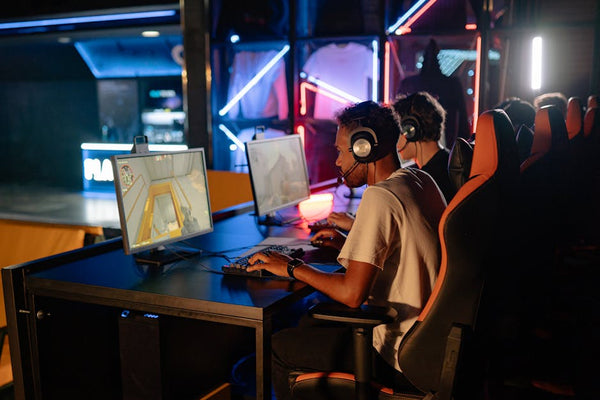
Let's get real for a second. Every time you load into Warzone, hop on a Valorant match, or stream your gameplay to Twitch, you're connecting to data centers. These aren't just boring server farms – they're the backbone of modern gaming. SoftBank's massive investment tells us that cloud gaming, AI-enhanced graphics, and real-time ray tracing are about to become the standard, not the exception.
I've built over 50 systems, and I've watched how gaming requirements have evolved with infrastructure improvements. Remember when 8GB of RAM was considered overkill? Now that's barely enough to run Chrome while gaming. The same pattern's happening with data center capabilities.
Here's what gets me excited: when data centers get more powerful, game developers stop holding back. We're talking about games that can process complex AI behaviors server-side, real-time global illumination, and physics calculations that would melt your CPU if handled locally. Your custom gaming PC build needs to be ready for this future, not just today's games.
The AI Factor Changes Everything
SoftBank isn't just building any data centers – they're specifically targeting AI and robotics. This is huge for gaming. AI-driven NPCs, procedurally generated content that adapts to your playstyle in real-time, and graphics upscaling that makes DLSS look like child's play. Honestly, we're probably 18 months away from games that feel completely different because of AI integration.
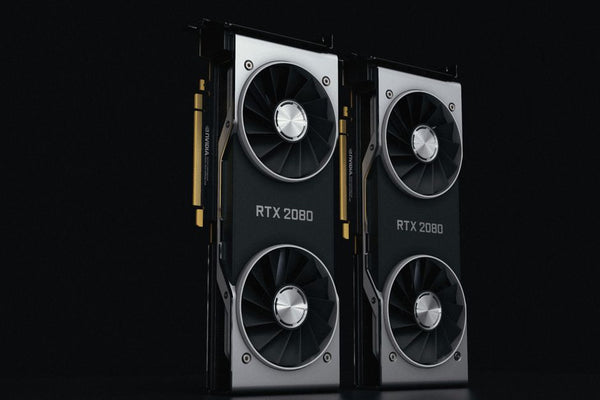
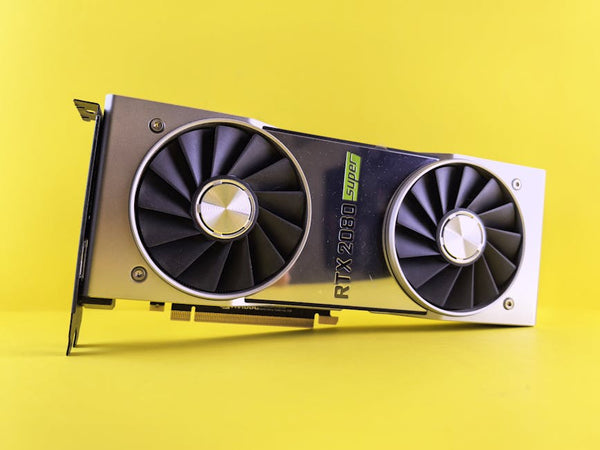
What does this mean for your PC build guide planning? GPU power is about to matter more than ever. Not just for local rendering, but for AI workloads that'll happen on your machine. RTX 4070 Super? That's your minimum entry point now. RTX 4080 or better if you're serious about future-proofing.
Building for the Data Center Era
Working at TieredUp Tech here in Orange, TX, I've seen too many people build "budget gaming PCs" that become obsolete faster than a TikTok trend. With SoftBank's infrastructure play signaling what's coming, budget builds are about to become a really bad idea.
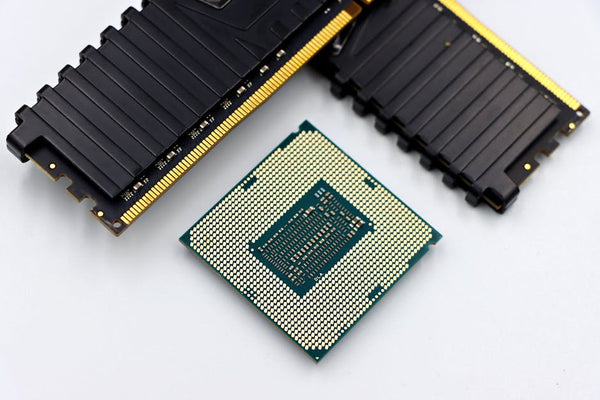
Here's my hot take: if you're building a gaming PC in 2024, you need to assume that within two years, games will routinely use AI features that require serious hardware. That means 32GB of RAM minimum, not 16GB. It means PCIe 5.0 support, not because you need it today, but because future GPUs will saturate PCIe 4.0 bandwidth when handling AI workloads.
The days of "good enough" PC builds are ending. Infrastructure improvements always drive hardware requirements up, and SoftBank's $100 billion bet proves the big players see this coming.
GPU Selection Just Got More Critical
Nvidia's been pushing AI features hard with DLSS and RTX technologies, but they've been limited by server infrastructure. When data centers can handle more complex AI processing, your GPU becomes part of a hybrid system. Local AI acceleration combined with cloud processing? That's where we're headed.
AMD's catching up with FSR and their RDNA architecture, but ngl, if you're building for the AI-enhanced gaming future, Team Green has the early lead. RTX 4090 owners are laughing right now because they accidentally future-proofed for AI workloads. RTX 4080 Super is probably the sweet spot for most builders who want to be ready.
Intel's Arc GPUs? They're interesting for budget builds, but their AI acceleration is still questionable. When $100 billion infrastructure investments are happening, you want proven AI hardware.
The $100 Billion Reality Check
SoftBank isn't throwing around $100 billion because they're bored. They see the same writing on the wall that every serious PC builder should recognize: gaming is becoming computationally insane. Cloud-enhanced graphics, real-time AI interactions, and processing demands that would've been science fiction five years ago.
Personally, I think this validates what enthusiast builders have been saying for months. You can't cheap out on core components anymore. When I help customers configure their BitCrate Custom Gaming PCs, I always push for higher-end components than they initially want. This SoftBank news proves why.
The companies investing billions in infrastructure aren't doing it for current games. They're building for games that don't exist yet. Games that'll make Cyberpunk 2077 with RT Overdrive look like Minecraft. Your PC build needs to be ready for that reality.
Storage Speed Becomes Non-Negotiable
Data centers processing AI workloads means massive data transfers between your local system and remote servers. This isn't just about internet speed – it's about how fast your system can read, process, and write data locally. PCIe 4.0 NVMe drives aren't luxury items anymore. They're requirements.
Samsung 980 Pro, WD Black SN850X, or Crucial T700 if you want bleeding-edge PCIe 5.0. SATA SSDs? That's 2019 thinking. Even budget builds need NVMe storage now, because the alternative is watching loading screens while AI-enhanced content streams in.
Building Smart for the Infrastructure Revolution
So what's the play here? How do you build a custom gaming PC that's ready for SoftBank's data center future without blowing your entire college fund?
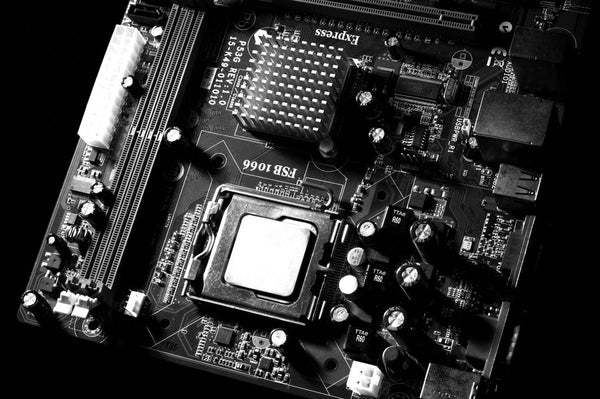
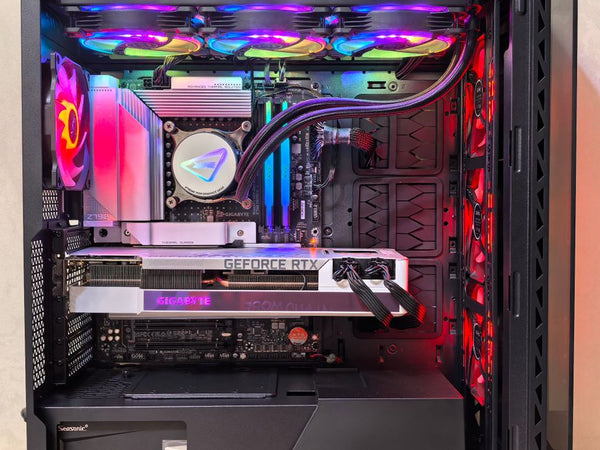
Start with a foundation that can grow. B650 or Z790 motherboards with multiple PCIe 5.0 slots. Power supplies rated for 850W minimum, because next-gen GPUs are going to be hungry. And honestly? Don't skimp on cooling. AI workloads generate heat, and your system's going to be working harder than ever.
The smart money isn't on building the absolute cheapest system that plays today's games. It's on building something that won't embarrass you when games start using AI features that we can't even imagine yet. SoftBank's $100 billion investment timeline suggests we're talking months, not years, before this stuff becomes mainstream.
Will every prediction pan out exactly as expected? Probably not. But when this much money moves this fast in tech, ignoring it while planning your build is just asking for buyer's remorse. Your future self will thank you for spending the extra $200 on better components now instead of rebuilding in 18 months.







Leave a Comment