


TSMC's AI-Fueled Revenue Spike: What This GPU Benchmark Bonanza Means for Your Next Gaming Build
TSMC just dropped some serious numbers that should have every gamer paying attention. The chipmaking giant bumped their revenue guidance and increased capital expenditure plans, riding what they're calling a "multiyear AI megatrend." But here's the kicker – they're also warning about potential profitability hits from Middle East conflicts driving up costs.
Translation? Your next GPU might cost more, but it's also going to be absolutely insane.
The 3nm Revolution Is Coming Whether We're Ready or Not
TSMC isn't messing around with their 3nm expansion plans. They're ramping up production capacity like they're speedrunning a factory builder game, and honestly, it's about time. The demand from AI companies has been absolutely bonkers – we're talking about chips that need to crunch through neural networks faster than a pro player hits headshots in Valorant.
But here's what matters for gaming performance: these same 3nm nodes are what's going to power the next generation of GPUs. NVIDIA's already eyeing this tech for their future architectures, and AMD isn't sitting around either. When I was chatting with a customer at our shop here in Orange, TX last week about future-proofing their build, this exact topic came up.
The reality? We're looking at chips that could deliver 30-40% better performance per watt compared to current 5nm designs. That's not just marketing fluff – that's the difference between needing a 850W PSU and getting away with a 650W unit for the same gaming performance.
AI Demand is Reshaping Gaming Hardware
Here's where it gets interesting. All this AI money flowing into TSMC isn't just helping them expand – it's subsidizing the R&D that directly benefits gaming. Hot take: AI companies dropping billions on cutting-edge silicon is the best thing that's happened to gaming hardware in years.
Think about it. NVIDIA's H100 datacenter cards and their RTX 4090 gaming flagship share fundamental architecture elements. The same manufacturing improvements that make AI training more efficient also make your Cyberpunk 2077 ray tracing less of a slideshow.
TSMC's aggressive 3nm capacity expansion could deliver chips with 30-40% better performance per watt, fundamentally changing gaming performance expectations.
The Dark Side: Supply Constraints and Rising Costs
Now for the not-so-great news. TSMC's warning about Middle East conflicts impacting costs isn't just corporate speak – it's a real concern that trickles down to every component in your gaming rig.
Manufacturing costs are climbing. Energy prices are volatile. Supply chains are still sketchy in some regions. What does this mean for your next GPU review scores? The performance might be incredible, but the price tags are going to sting harder than a perfectly timed Phantom headshot.
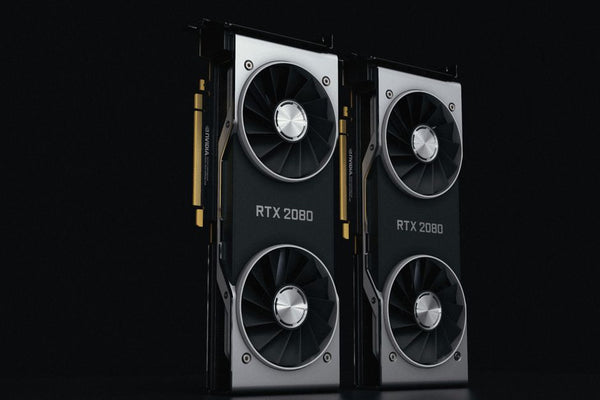
I've been tracking GPU pricing trends, and we're already seeing this pressure. The RTX 4090 launched at $1,599 MSRP, but good luck finding one at that price consistently. Now imagine that same supply pressure hitting next-gen cards that need even more advanced (expensive) manufacturing processes.
The Performance vs. Price Reality Check
Personally, I think we're heading toward a two-tier market. Budget gamers are going to stick with older nodes longer – think 1080p gaming on refined 7nm chips that offer solid price-to-performance. Meanwhile, the high-end is going full send on 3nm for 4K 120fps gaming and beyond.
This isn't necessarily bad news. Older process nodes getting optimized means better budget options. But if you're chasing maximum frames in competitive shooters or want that buttery smooth experience in the latest AAA titles, you're going to pay premium prices for premium silicon.
What This Means for Your Next Build
Should you wait for 3nm GPUs? That's the million-dollar question every gamer's asking right now.
If you're gaming at 1440p and your current setup handles what you're playing, waiting might be smart. The performance jump from current 5nm to upcoming 3nm could be substantial enough to justify holding off. We're potentially looking at RTX 5080-level cards that outperform current RTX 4090s while drawing less power.
But here's the thing – and this might sound contradictory – supply at launch is probably going to be terrible. TSMC's expansion plans are aggressive, but they're not magic. New process nodes always have yield issues early on, and with AI companies willing to pay astronomical prices for priority allocation, gamers might be waiting in line.
The Competitive Landscape Shift
AMD's in an interesting position here. They've been more conservative with cutting-edge nodes, often trailing NVIDIA by 6-12 months. But TSMC's expanded capacity could change that dynamic. If AMD can secure better allocation on 3nm, we might see more competitive releases that actually challenge NVIDIA's high-end dominance.
Intel's Arc situation adds another wildcard. They're not tied to TSMC for GPU manufacturing, which could be either a massive advantage or a significant limitation depending on how this plays out.
Honestly, the next 18 months are going to be wild for GPU releases. Between TSMC's manufacturing improvements, AI money funding better R&D, and increased competition, we could see performance leaps that make current benchmarks look quaint.
The Smart Money Play
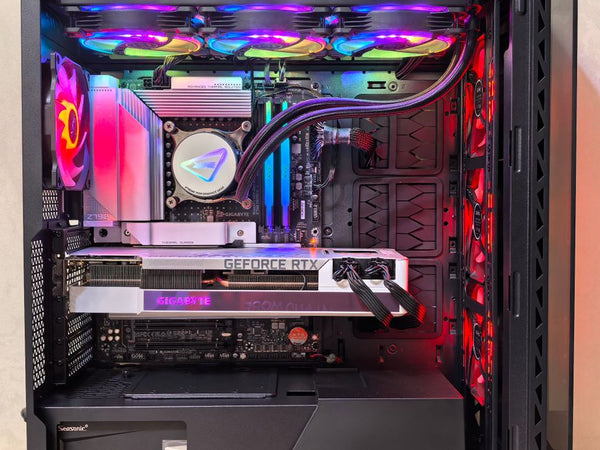
If you need to build your custom gaming PC with BitCrate right now, don't torture yourself waiting for perfect timing. Current RTX 4070 and 4080 cards are solid performers that'll handle anything you throw at them for years.
But if your current setup is handling your games adequately? Maybe consider holding out for the first wave of 3nm gaming GPUs. The performance per dollar improvement could be significant enough to make the wait worthwhile – assuming you can actually get one at launch.
TSMC's revenue surge and expansion plans signal that the semiconductor industry is entering a new phase of rapid advancement. For gamers, that means better performance is coming, but it's probably going to cost more than we'd like. The AI megatrend isn't just reshaping datacenter computing – it's fundamentally changing what's possible in gaming hardware, whether we're ready to pay for it or not.














Leave a Comment