


TSMC's 2029 Gaming PC Build Roadmap: What 48x More Compute Power Actually Means for Your Next Rig
Look, I've been building gaming PCs for over a decade, and nothing gets me more hyped than actual technological leaps versus marketing BS. TSMC just dropped their CoWoS roadmap extending to 2029, and bro – this isn't your typical "20% performance improvement" nonsense. We're talking about 48x more compute power and 34x memory bandwidth increases. That's not incremental. That's revolutionary.
But what does this mean for your custom gaming PC build in the real world?
The Raw Numbers That Actually Matter
TSMC's Chip-on-Wafer-on-Substrate (CoWoS) technology roadmap isn't just engineering porn – it's the foundation for every high-end gaming processor you'll buy through 2029. When they say 14-reticle packages with 24 HBM5E memory stacks, they're describing the architectural backbone that'll power everything from RTX 60-series cards to whatever AMD calls their next-gen Ryzen chips.
Here's the thing though. Raw compute scaling of 48x sounds insane, but that's primarily targeting AI workloads. Gaming performance scaling will be different, probably more like 4-8x in real-world scenarios by 2029. Still massive, but let's not get carried away thinking we'll see Cyberpunk 2077 jumping from 60fps to 2,880fps.
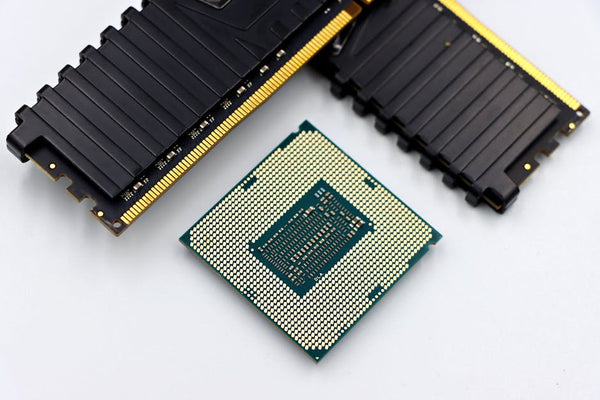
The memory bandwidth jump is where gaming enthusiasts should pay attention. 34x more bandwidth means we're looking at potential memory throughput that makes current DDR5-6000 look like dial-up internet. We're probably talking about system memory that can feed GPUs data faster than current PCIe 5.0 connections.
What This Means for GPU Performance
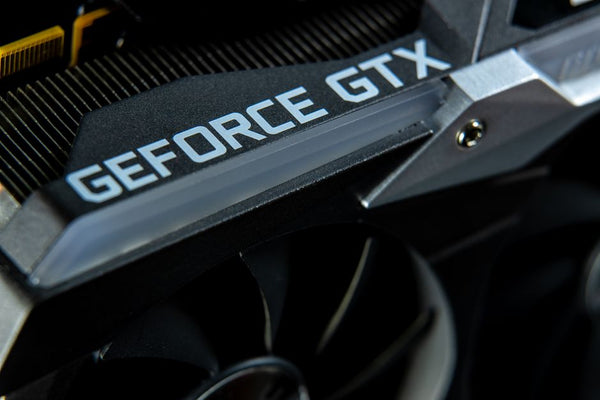
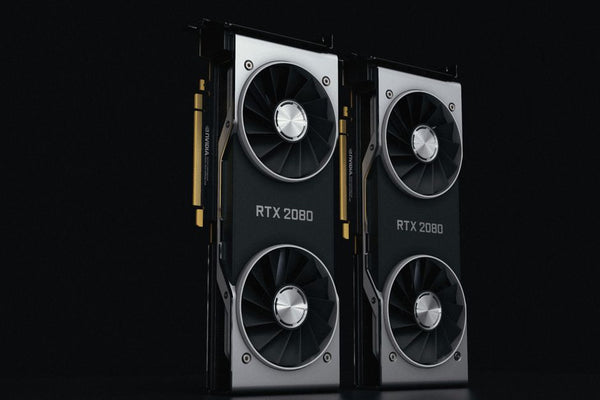
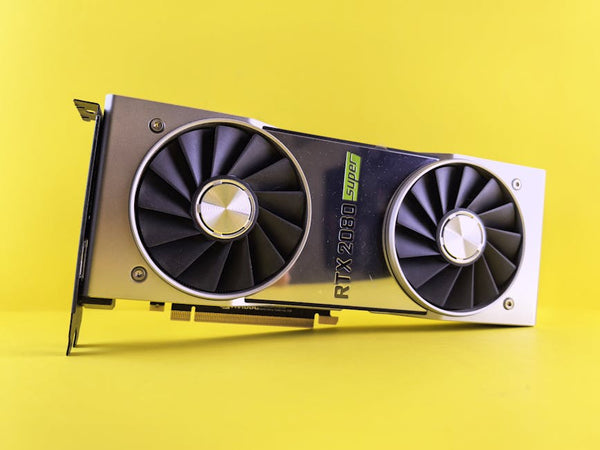
Personally, I think GPU architecture will be completely unrecognizable by 2029. Current RTX 4090s with their 1008 GB/s memory bandwidth already feel bottlenecked by VRAM capacity at 4K gaming. If TSMC delivers on these CoWoS promises, we're looking at GPUs that could theoretically push 30,000+ GB/s memory bandwidth.
That's enough bandwidth to make 8K gaming at 120Hz actually viable. Not just technically possible – genuinely playable without upscaling tricks.
The Gaming PC Build Reality Check
Now here's where I get a bit skeptical. TSMC loves throwing around these massive multipliers, but they're usually cherry-picked from ideal scenarios. Remember when they promised 3nm would deliver 15% performance improvements? Yeah, real-world gaming performance gains were closer to 8-10%.
But even if we cut these projections in half, we're still looking at transformative changes for PC gaming:
- CPUs with 200+ cores becoming mainstream for gaming builds
- GPUs with unified memory architectures eliminating VRAM limitations
- Storage that makes current NVMe drives look glacial
The question isn't whether this tech will arrive – it's whether game developers will actually utilize it. We've seen this story before with multi-core CPUs. It took years for games to properly utilize 8+ cores, and some titles still barely touch modern 16-core processors.
Should You Wait or Build Now?
Hot take: if you're waiting for 2029's 48x performance gains to build your gaming PC, you're missing out on five years of actual gaming. Technology always improves, but perfect timing doesn't exist in PC building.
I was helping a customer at our shop here in Orange, TX last week who kept asking about "future-proofing" their build for these next-gen chips. Honestly? Build for your current needs with reasonable upgrade paths. A solid DDR5 platform today will likely support whatever crazy memory standards emerge by 2029.
Current RTX 4070 Super or RX 7800 XT builds will deliver amazing 1440p gaming for years. Waiting for theoretical 8K gaming capabilities when most gamers haven't even upgraded to 4K monitors yet seems kinda pointless.
The Memory Revolution Coming
The 24 HBM5E stacks mentioned in TSMC's roadmap represent something genuinely exciting. HBM (High Bandwidth Memory) has traditionally been expensive and limited to enterprise applications. But if manufacturing costs drop enough to make HBM viable for consumer gaming PCs, we could see system architectures that eliminate the GPU/CPU memory hierarchy entirely.
Imagine a gaming PC where your graphics card doesn't have separate VRAM. Instead, everything shares a unified memory pool with bandwidth measured in tens of thousands of GB/s. Loading screens disappear completely. Asset streaming becomes instantaneous. Texture quality stops being limited by VRAM capacity.
Ngl, that future sounds pretty sick.
What About Power Consumption?
Here's something TSMC's roadmap doesn't emphasize: power scaling. More compute power usually means more electricity consumption, and we're already pushing thermal limits with current high-end builds. RTX 4090s already require 450W+ power supplies, and Intel's 13900K can pull 250W+ under load.
If compute power scales 48x by 2029, but efficiency only improves 10x, we're looking at gaming PCs that require dedicated 220V outlets. That's not realistic for most households.
TSMC claims their process improvements will deliver better performance per watt, but those gains need to be massive to make 48x compute scaling practical for consumer hardware.
Building Strategy for the Next Five Years
Given this roadmap, what's the smart move for gaming PC builds between now and 2029? Focus on platform flexibility rather than raw performance maximization.
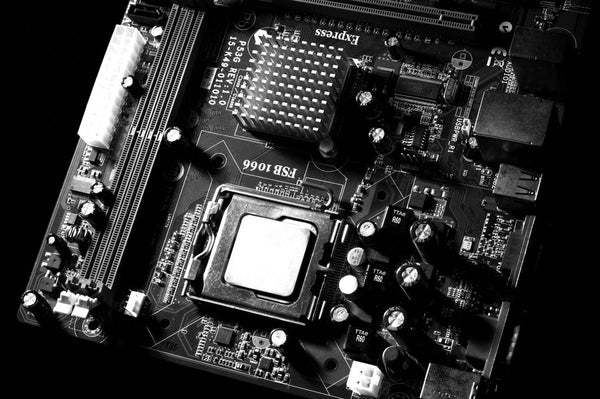
Choose motherboards with robust power delivery and multiple PCIe slots. Invest in quality power supplies with headroom for future upgrades. Get fast NVMe storage that won't bottleneck whatever crazy memory architectures emerge.
But don't wait to build. The difference between a 2024 high-end gaming PC and whatever emerges in 2029 will be significant, but it's not worth sacrificing five years of gaming to chase perfect timing.
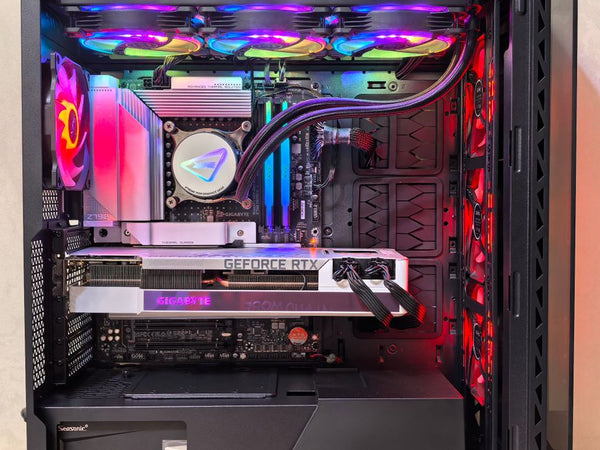
For those looking at premium builds today, something like TieredUp Tech's Epic-Tier BitCrate builds ($2k+) represents the sweet spot between current performance and future upgrade potential. You're getting cutting-edge hardware that'll handle anything developers throw at you while maintaining compatibility with whatever wild architectures emerge over the next few years.
TSMC's 2029 roadmap isn't just promising faster chips – it's describing a fundamental shift in how gaming PCs will work. Whether that transformation delivers on the hype remains to be seen, but the next five years are going to be absolutely wild for PC gaming hardware. Time to start saving up, because this ride's just getting started.


















Leave a Comment