


SPEC CPU 2026 Benchmark Review: From Raspberry Pi to Epic Gaming Rigs
So the SPEC CPU 2026 benchmarking suite just dropped, and honestly? It's about damn time. The old 2017 suite was getting long in the tooth, and frankly, watching tech reviewers run the same tired benchmarks for seven years was getting cringe. But here's the wild part that's got everyone talking: they tested it on a freaking Raspberry Pi 5.
Yep. You read that right.
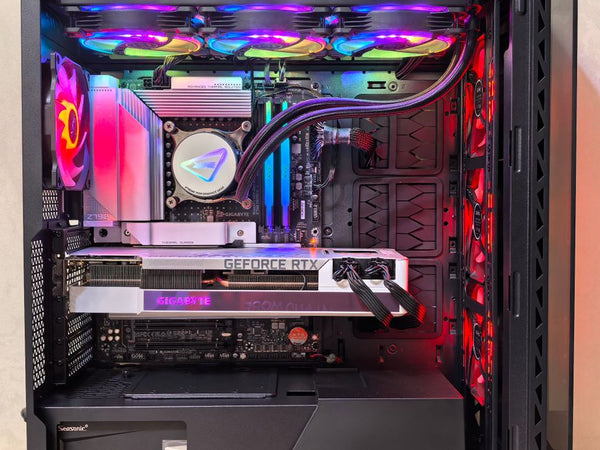
The same benchmark that'll push your Epic-Tier BitCrate builds ($2k+) to their limits can apparently run on a $80 credit card-sized computer. That's either impressive engineering or the Pi 5 is more of a beast than we thought. Probably both, tbh.
What's Actually New in SPEC CPU 2026
Look, I've been building systems for over a decade now, and CPU benchmark suites usually evolve about as fast as Internet Explorer. But SPEC actually listened this time. The new suite packs way more tests than the 2017 version, and they've focused hardcore on portability.
The big deal isn't just that it runs on everything from server farms to your nephew's Pi project. It's that we finally get consistent testing methodology across wildly different hardware. Remember trying to compare ARM vs x86 performance a few years back? That was a shitshow of incompatible benchmarks and cherry-picked results.
Here's what actually matters for us builders: the new suite includes modern workloads that reflect what CPUs actually do in 2024. We're talking AI inference tasks, modern compression algorithms, and computational workloads that actually stress current architectures properly.
Why the Raspberry Pi 5 Results Matter
Before you roll your eyes and think "cool story bro, but I'm not gaming on a Pi," hear me out. The fact that SPEC CPU 2026 runs on the Pi 5 tells us something important about the benchmark itself and about ARM performance.
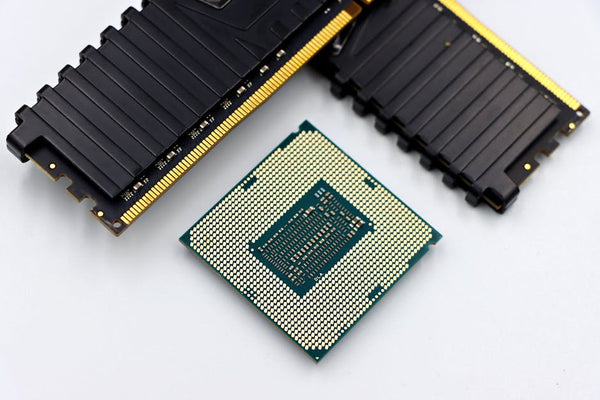
The Pi 5's Broadcom BCM2712 isn't exactly a powerhouse - we're talking about a quad-core Cortex-A76 at 2.4GHz with 8GB of RAM max. But it completed the full benchmark suite. That's genuinely impressive for both the hardware and the software optimization.
For context, I was helping a customer at our Orange, TX shop last week who wanted to understand why his old Intel i5-4670K felt slow compared to modern budget builds. The Pi 5's SPEC results actually help illustrate how much single-threaded performance has improved across the board, even in low-power designs.
Gaming Performance vs SPEC CPU Benchmark Reality
Now here's where things get spicy. SPEC CPU 2026 is designed for server and computational workloads, not gaming. So should you care about these scores when building a gaming rig?
Hot take: Yes, but not for the reasons you think.
Modern games are increasingly CPU-bound in specific scenarios. Take Cyberpunk 2077 with ray tracing enabled - your GPU might be sweating, but your CPU is also working overtime on physics calculations and AI routines. Or consider something like Microsoft Flight Simulator, which will happily eat every CPU core you can throw at it.
SPEC's computational benchmarks actually correlate pretty well with these demanding scenarios. The integer performance tests mirror game logic processing, while the floating-point benchmarks relate to physics and simulation workloads.
Real-World Translation for System Builders
But let's be real about what these numbers actually mean when you're speccing out a build. A CPU that scores well in SPEC CPU 2026 will likely handle modern gaming well, but it's not a direct 1:1 correlation.
Gaming still cares more about single-threaded performance and memory latency than pure computational throughput. That's why a Ryzen 7 7800X3D with massive L3 cache often outperforms higher-scoring CPUs in actual gaming benchmarks.
The Pi 5 results actually highlight this perfectly. Despite completing the full benchmark suite, nobody's confusing it with a gaming powerhouse. It's a great little computer for specific tasks, but you're not running Baldur's Gate 3 at 60fps on it.
What This Means for Your Next Build
If you're shopping for components right now, SPEC CPU 2026 results give you a better baseline for comparing different architectures. Finally, we can properly compare Intel 13th gen vs AMD 7000-series vs Apple M-series vs ARM server chips on equal footing.
Personally, I think this is huge for understanding value propositions. When someone walks into our shop asking about used gaming desktops, I can now point to standardized results that show exactly how much performance they're getting per dollar across different platforms.
The expanded test suite also means better prediction of future performance. As games and applications evolve to use more modern computational techniques, SPEC 2026 scores should age better than previous benchmark results.
ARM's Growing Relevance
The Pi 5 being able to run the full suite isn't just a cute tech demo. It's a sign that ARM is becoming increasingly viable for mainstream computing tasks. Apple's M-series chips already proved this on the high end, but now we're seeing it trickle down to affordable hardware.
Will we see ARM gaming rigs in the future? Maybe not tomorrow, but the performance gap is shrinking faster than most people realize. The fact that a $80 Pi can handle enterprise-grade benchmarks suggests the architecture has serious legs.
Plus, with Microsoft pushing Windows on ARM and Nvidia's rumored ARM desktop chips, understanding ARM performance characteristics through standardized benchmarks becomes increasingly important.
The Broader Impact on Hardware Testing
Here's something I've been thinking about: SPEC CPU 2026's focus on portability might finally kill the "but can it run Crysis?" mentality in hardware testing. Don't get me wrong, I love a good stress test, but relying on a single game from 2007 to judge hardware in 2024 is honestly ridiculous.
The new suite's diverse workloads give us a much more complete picture of CPU performance. Instead of arguing whether Cinebench R23 or Geekbench is more "real," we get a comprehensive suite that tests everything from integer math to memory bandwidth to instruction scheduling efficiency.
This should lead to better informed purchasing decisions. No more buying a CPU because it crushes one specific benchmark while being mediocre at everything else.
What We Still Don't Know
I'll be honest though - we're still early days with SPEC CPU 2026. The results we're seeing now are interesting, but we need broader adoption before we can really trust the ecosystem.
How do the scores correlate with real-world gaming performance? Which specific subtests matter most for different use cases? How much do compiler optimizations skew results between different architectures?
These are questions that'll only get answered as more hardware gets tested and more data becomes available. The Pi 5 results are a fascinating starting point, but they're just that - a starting point.
What's clear is that SPEC finally created a benchmark that can scale from embedded systems to supercomputers while providing meaningful comparisons. Whether that translates to better hardware recommendations remains to be seen, but I'm cautiously optimistic. About time the benchmark ecosystem caught up with modern hardware diversity, even if it took them seven years to get here.











Leave a Comment